

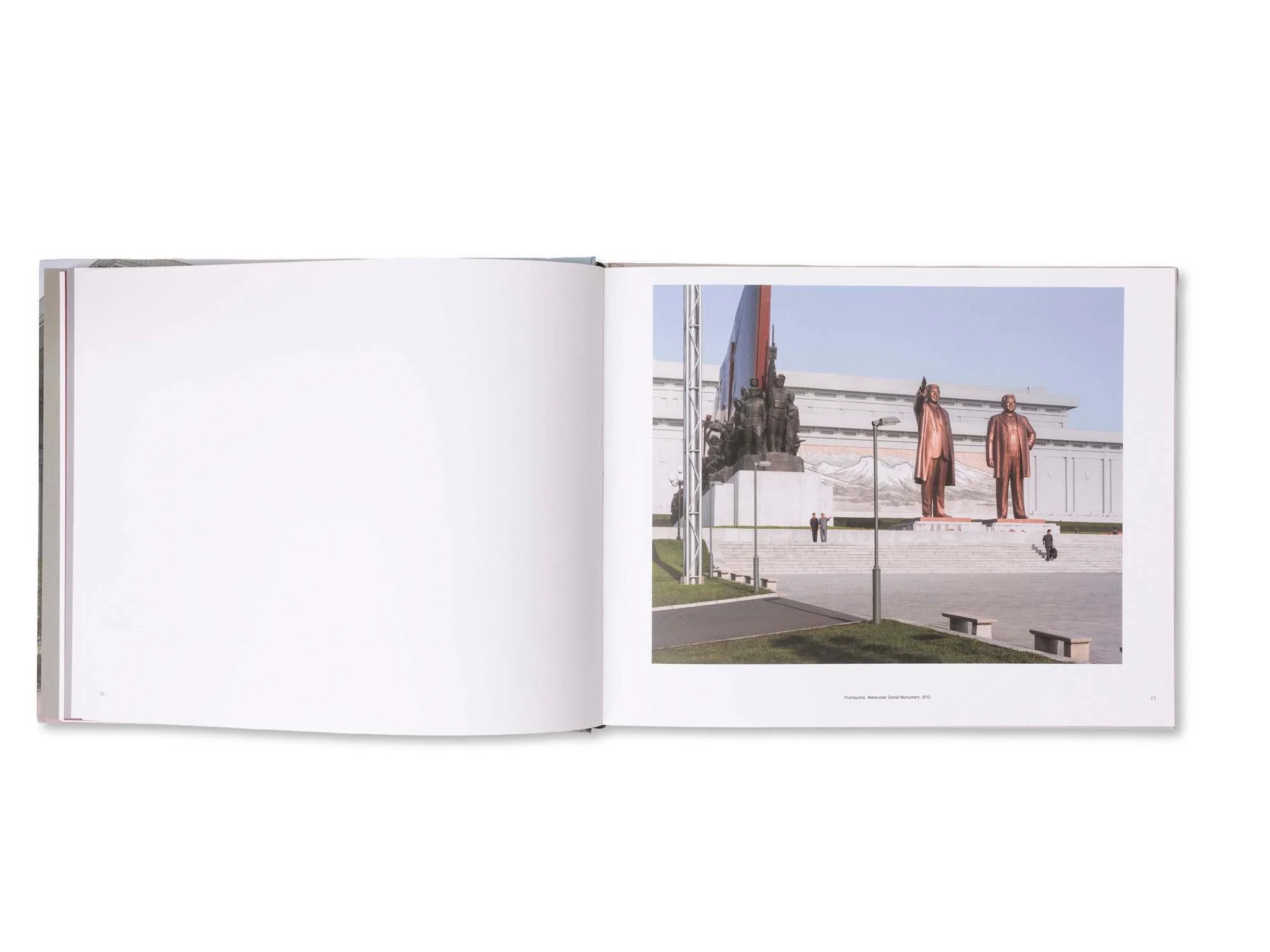
PYONGYANG / 2012
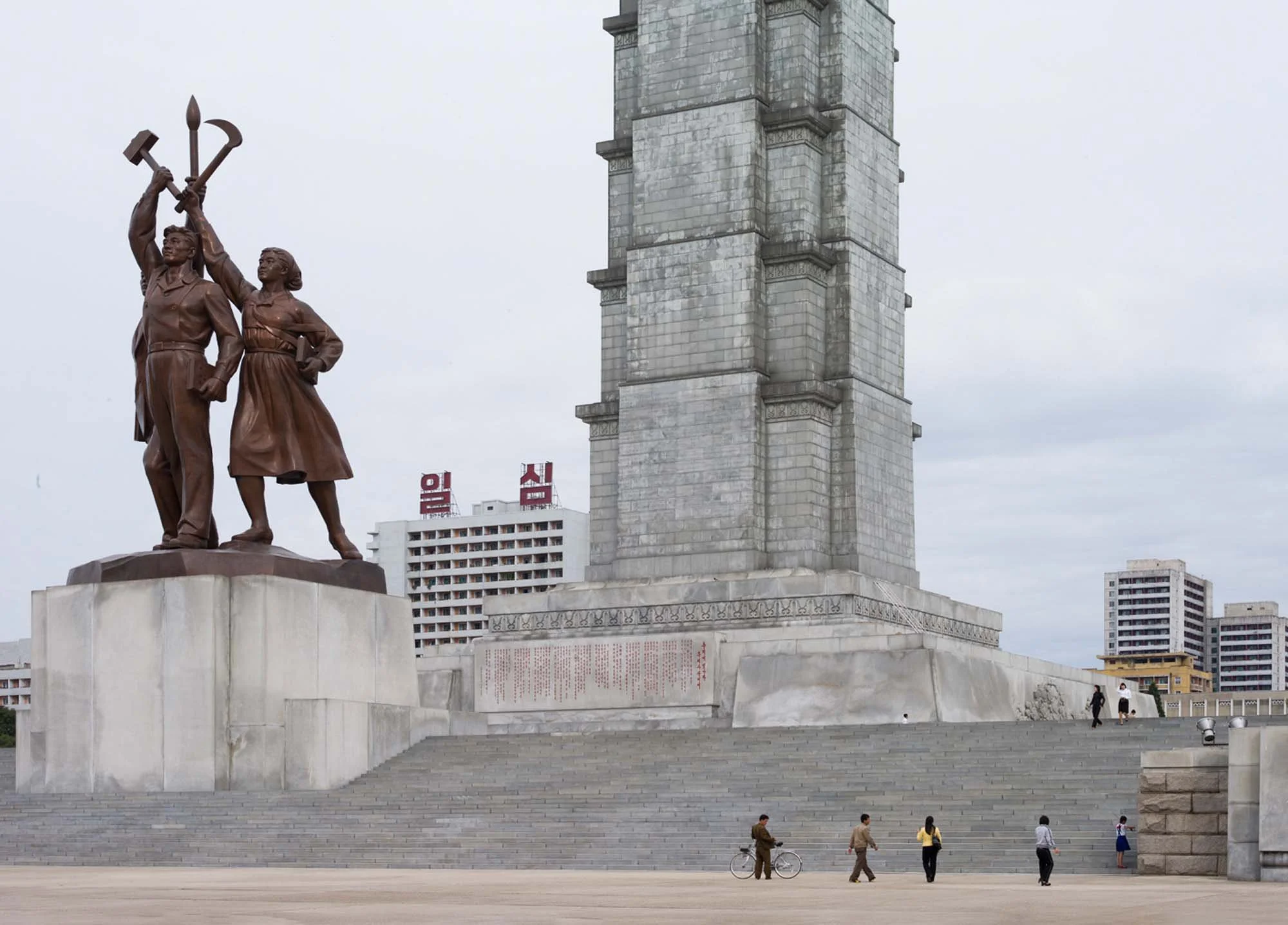
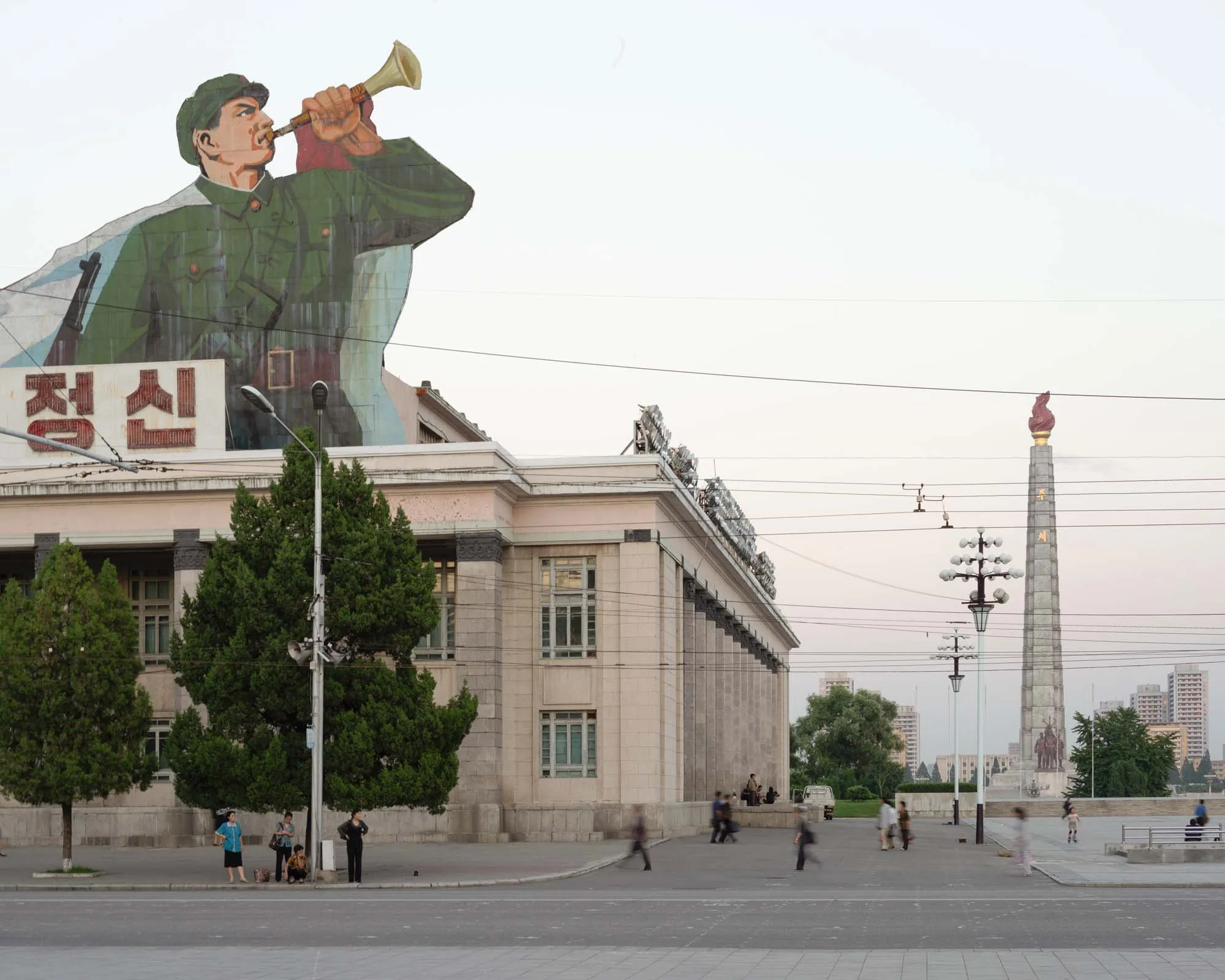
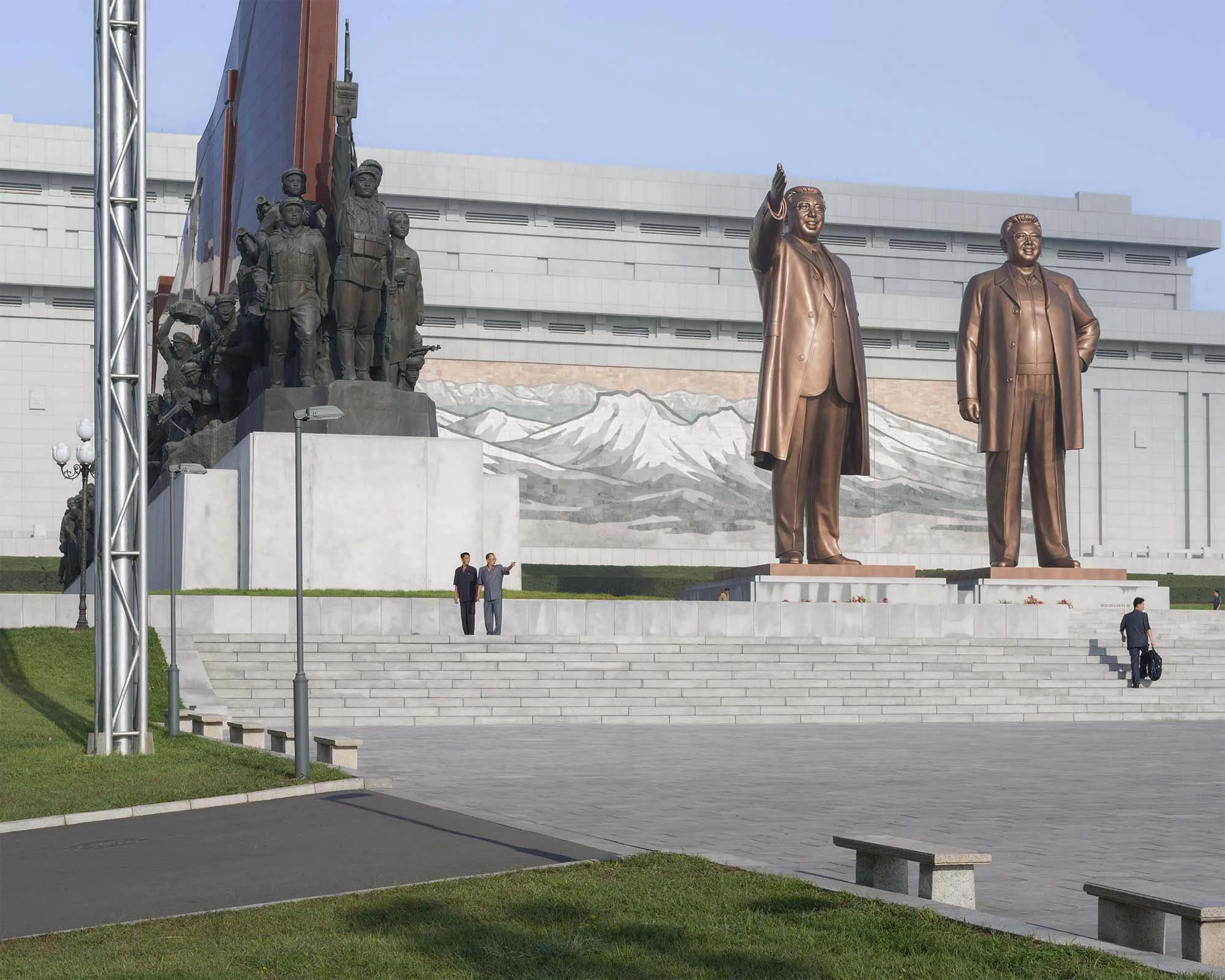
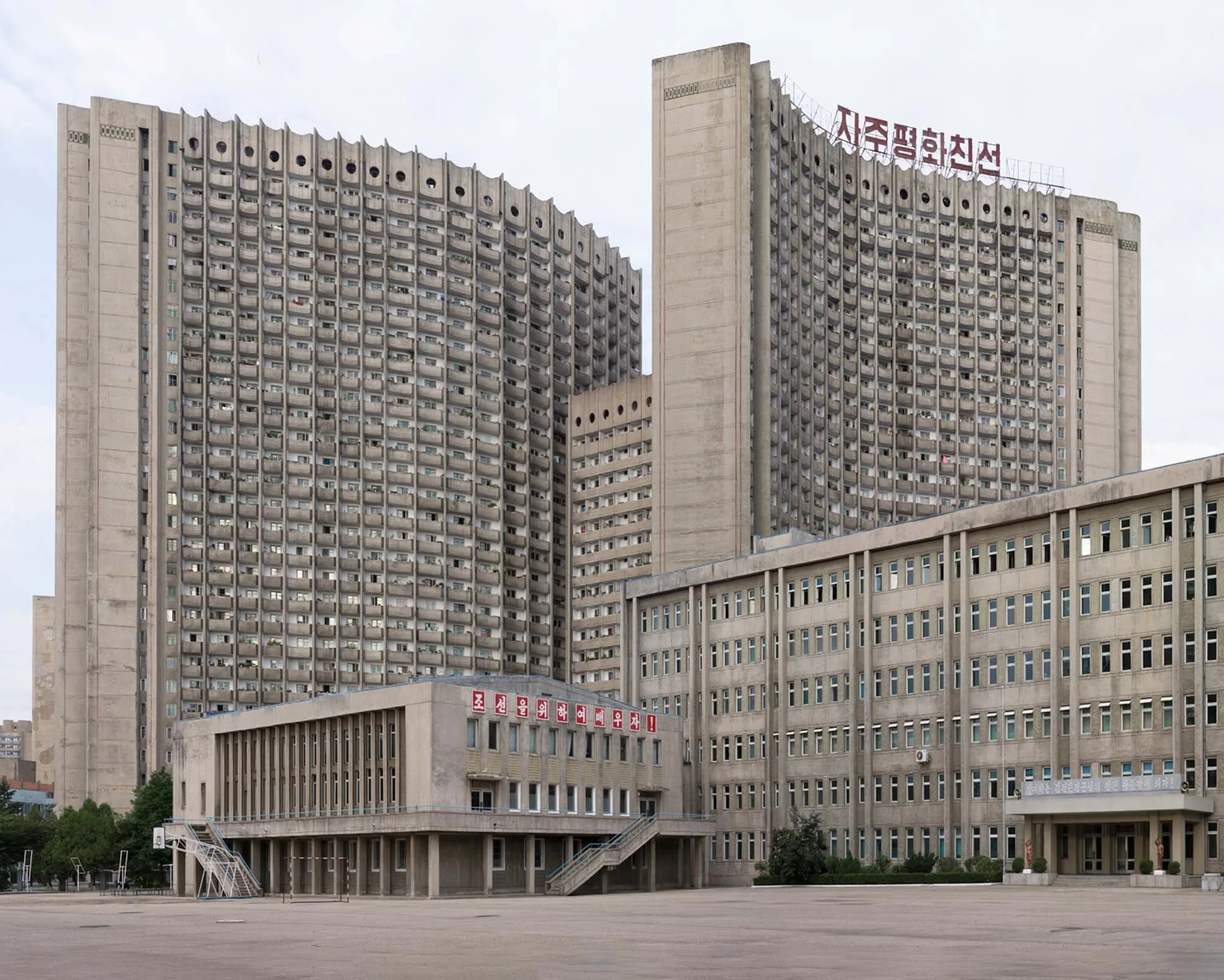
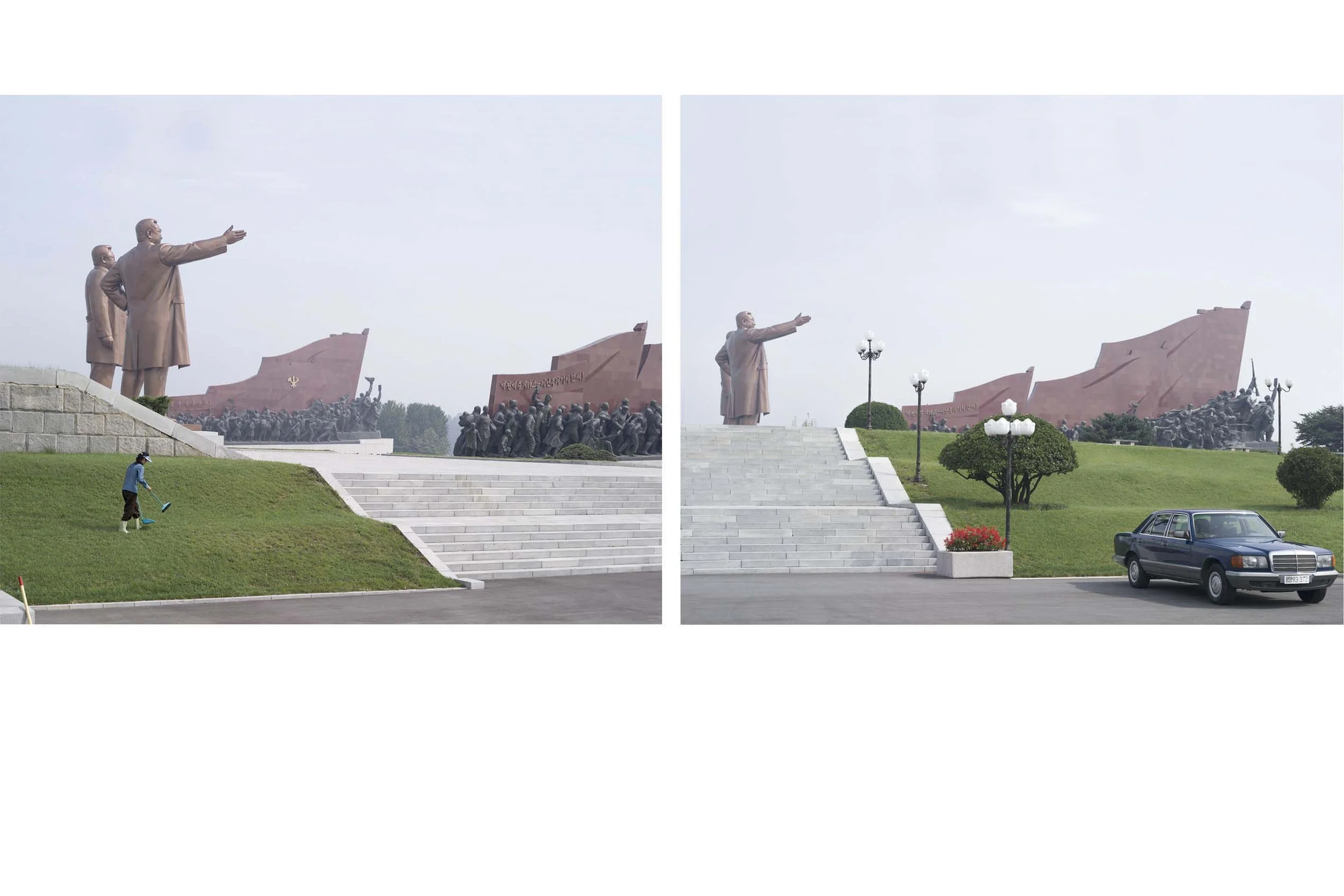
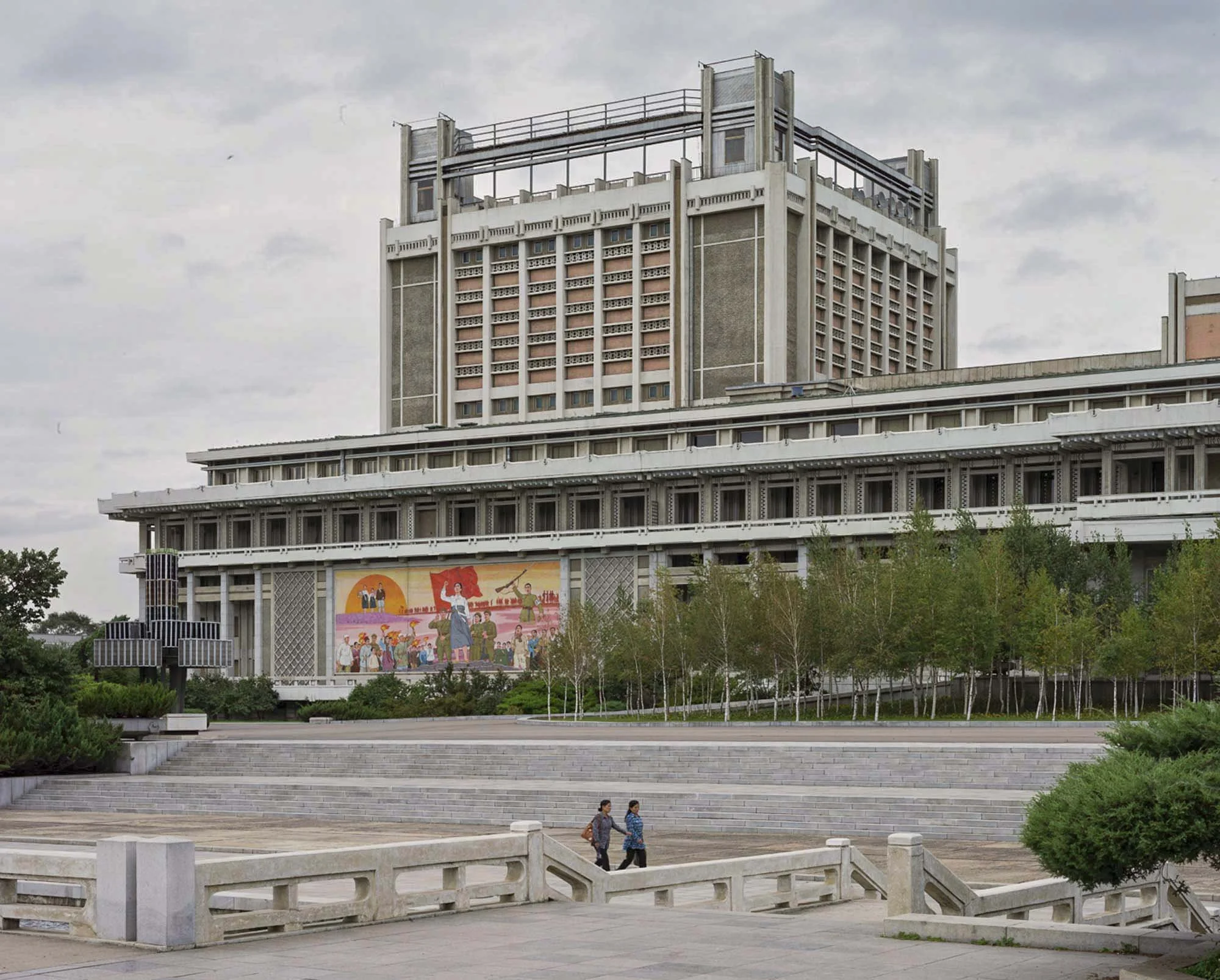
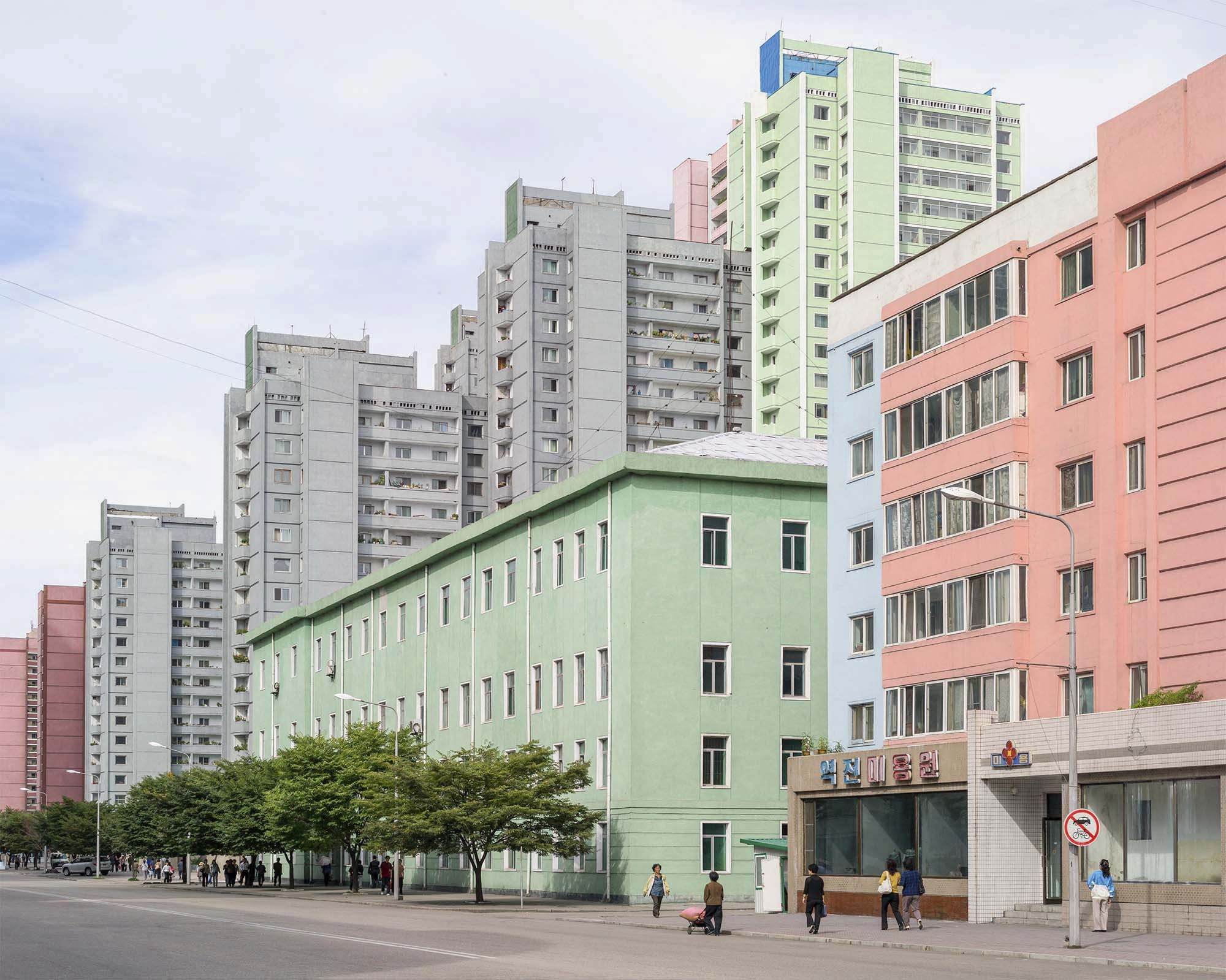
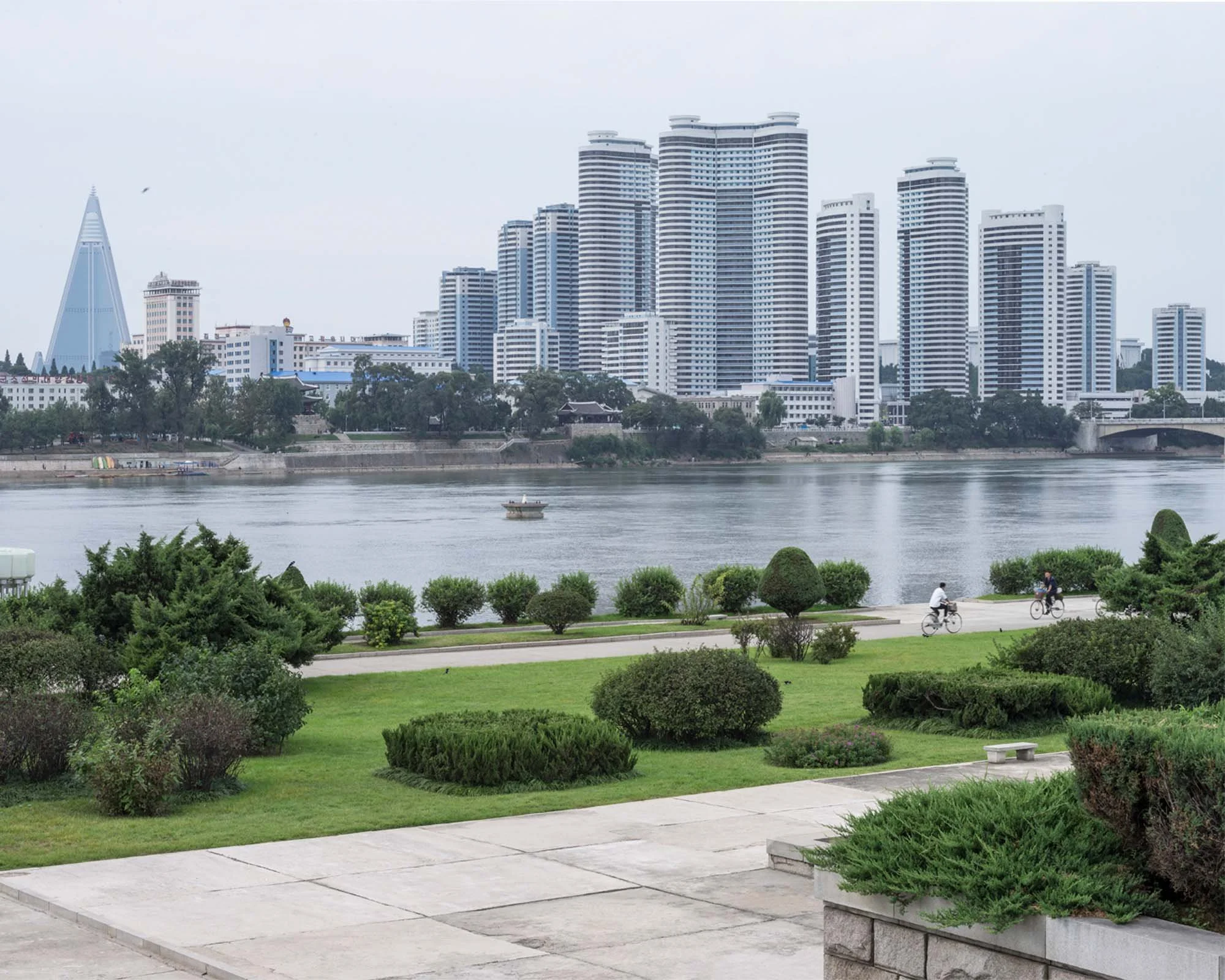
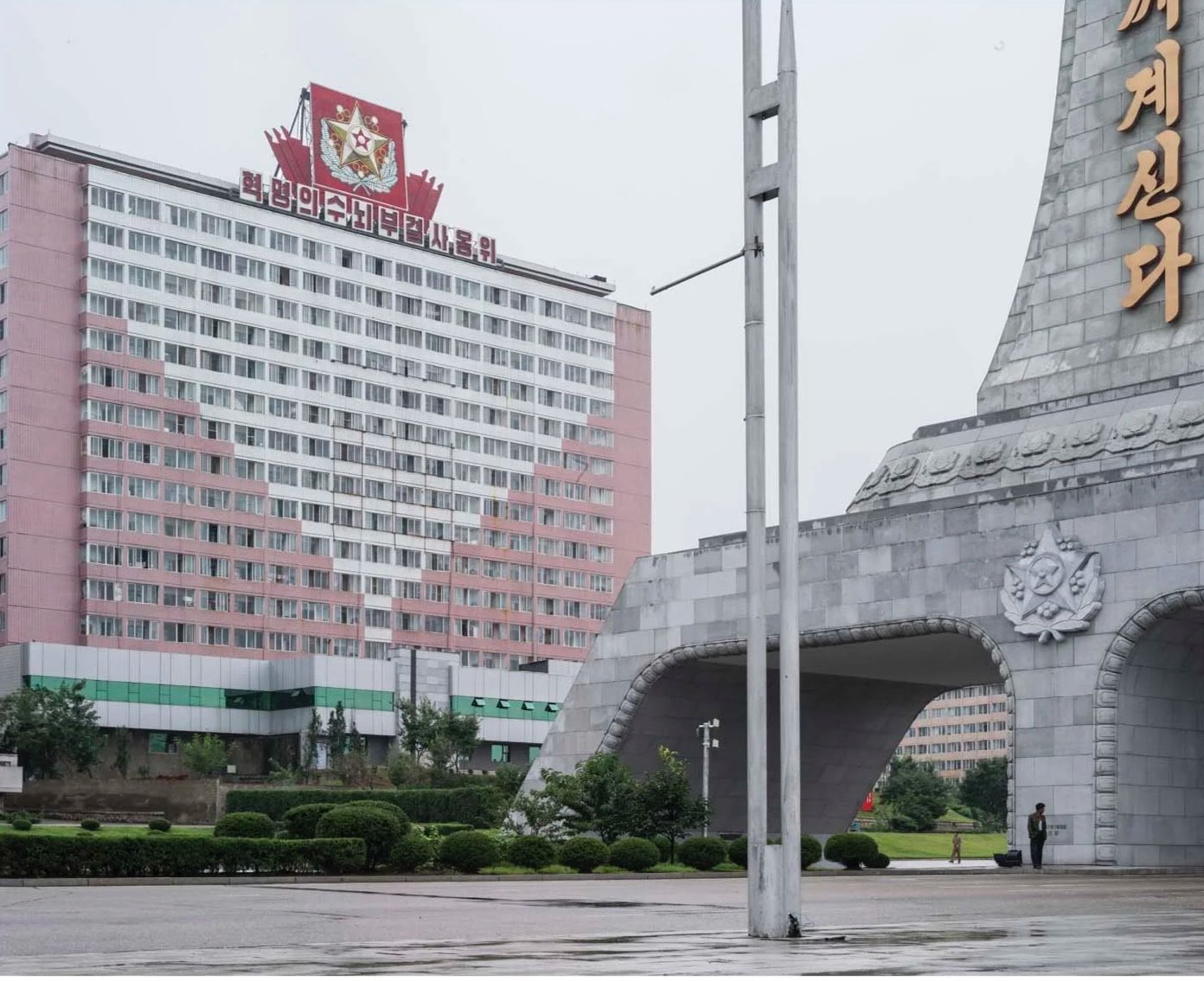
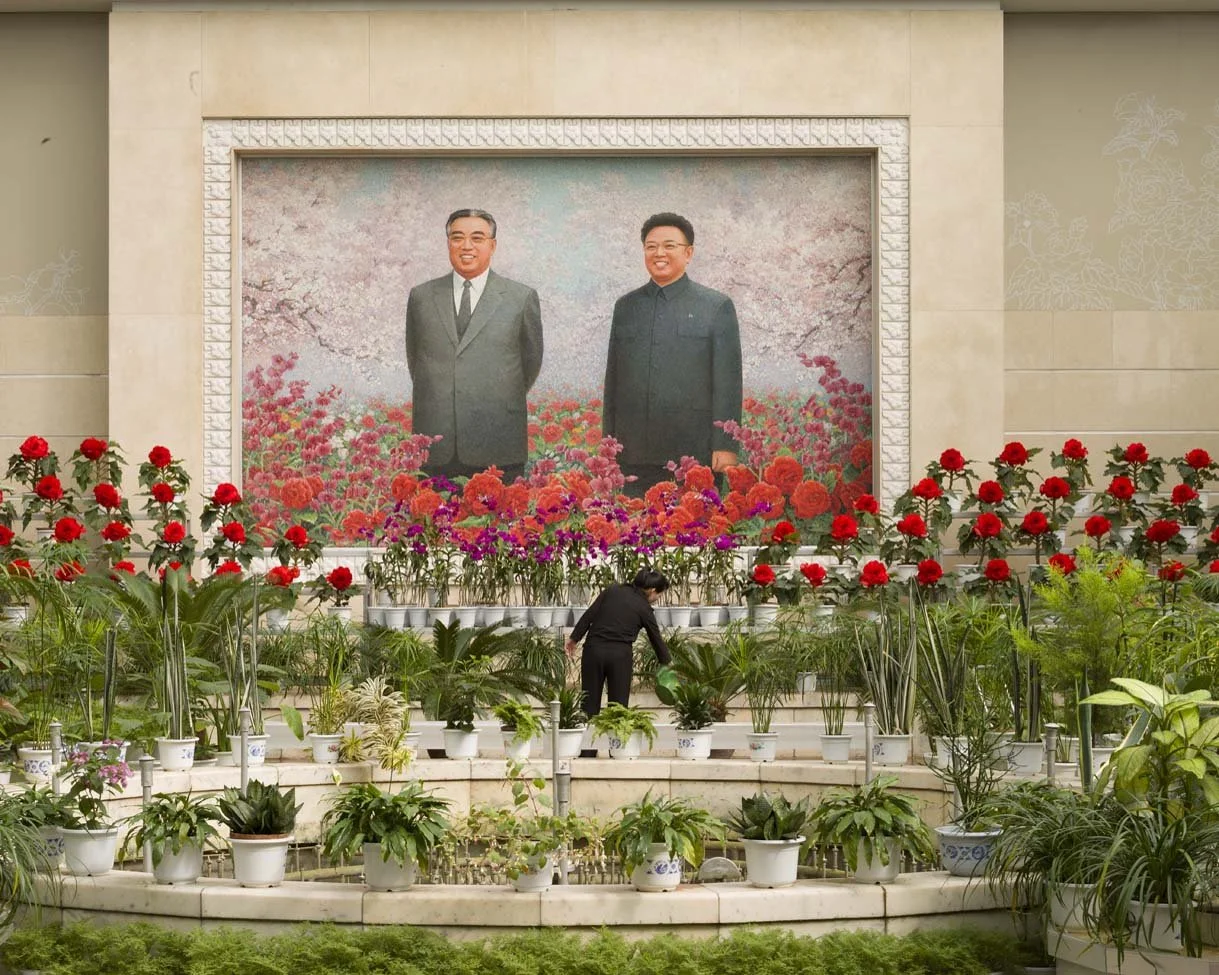
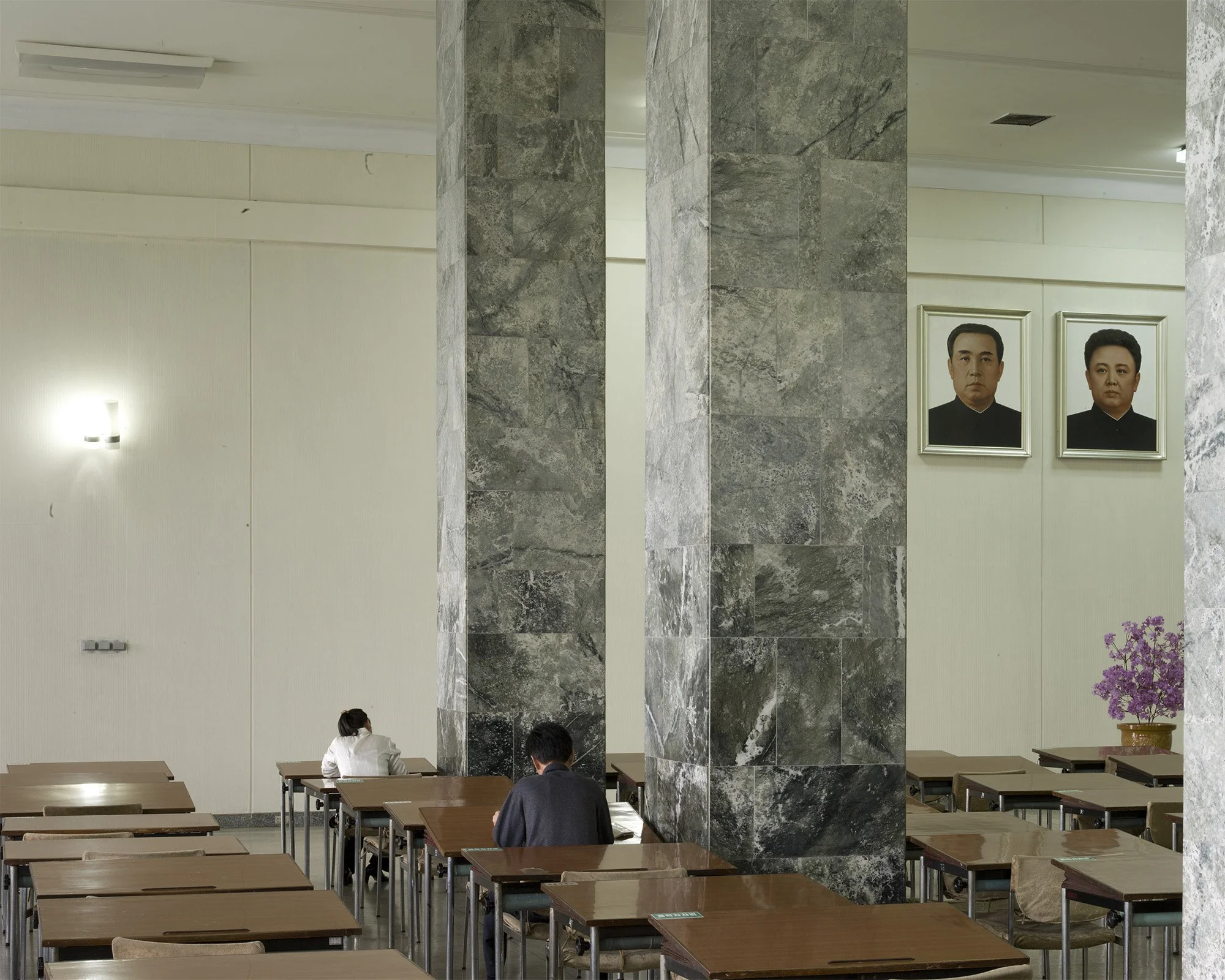
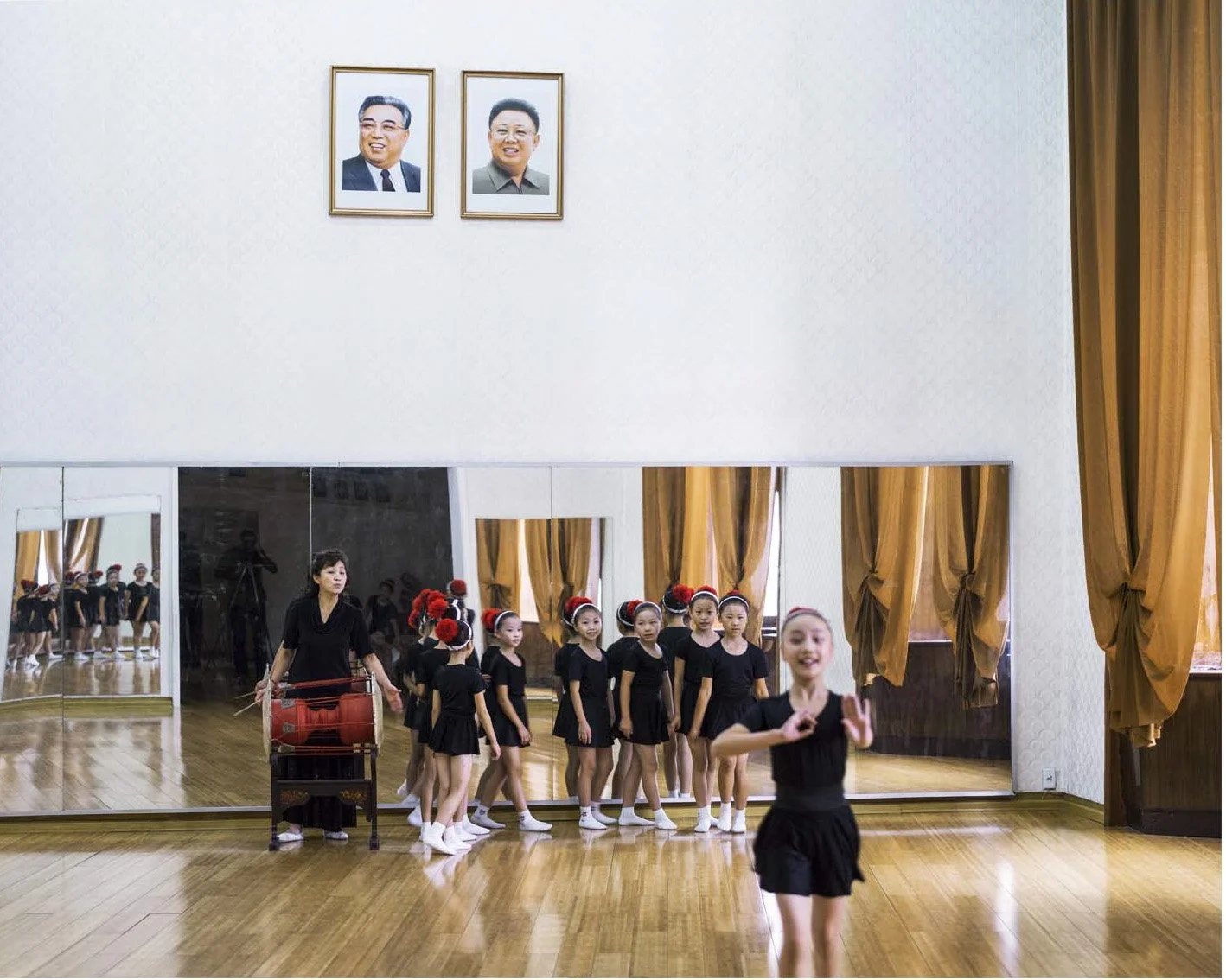
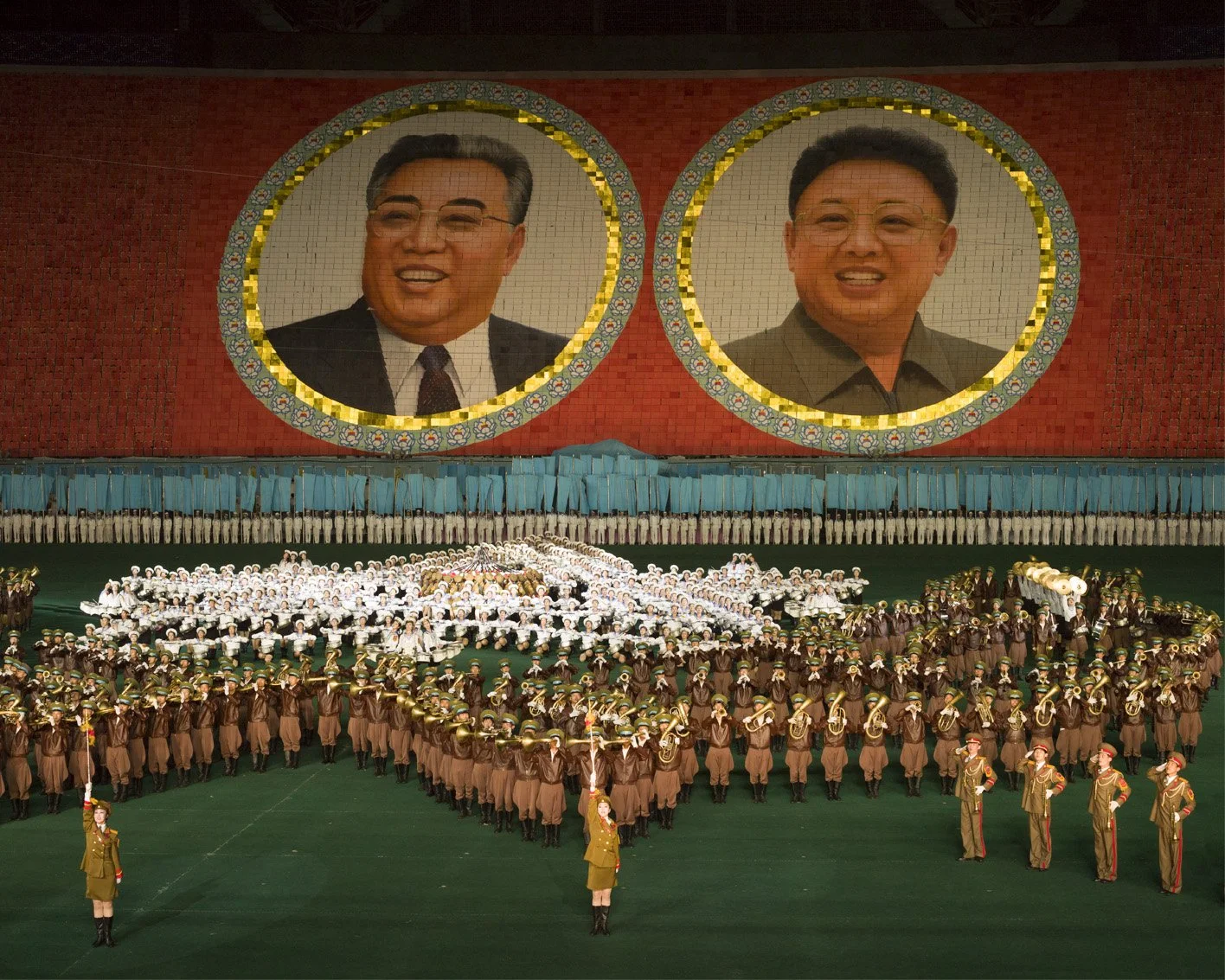
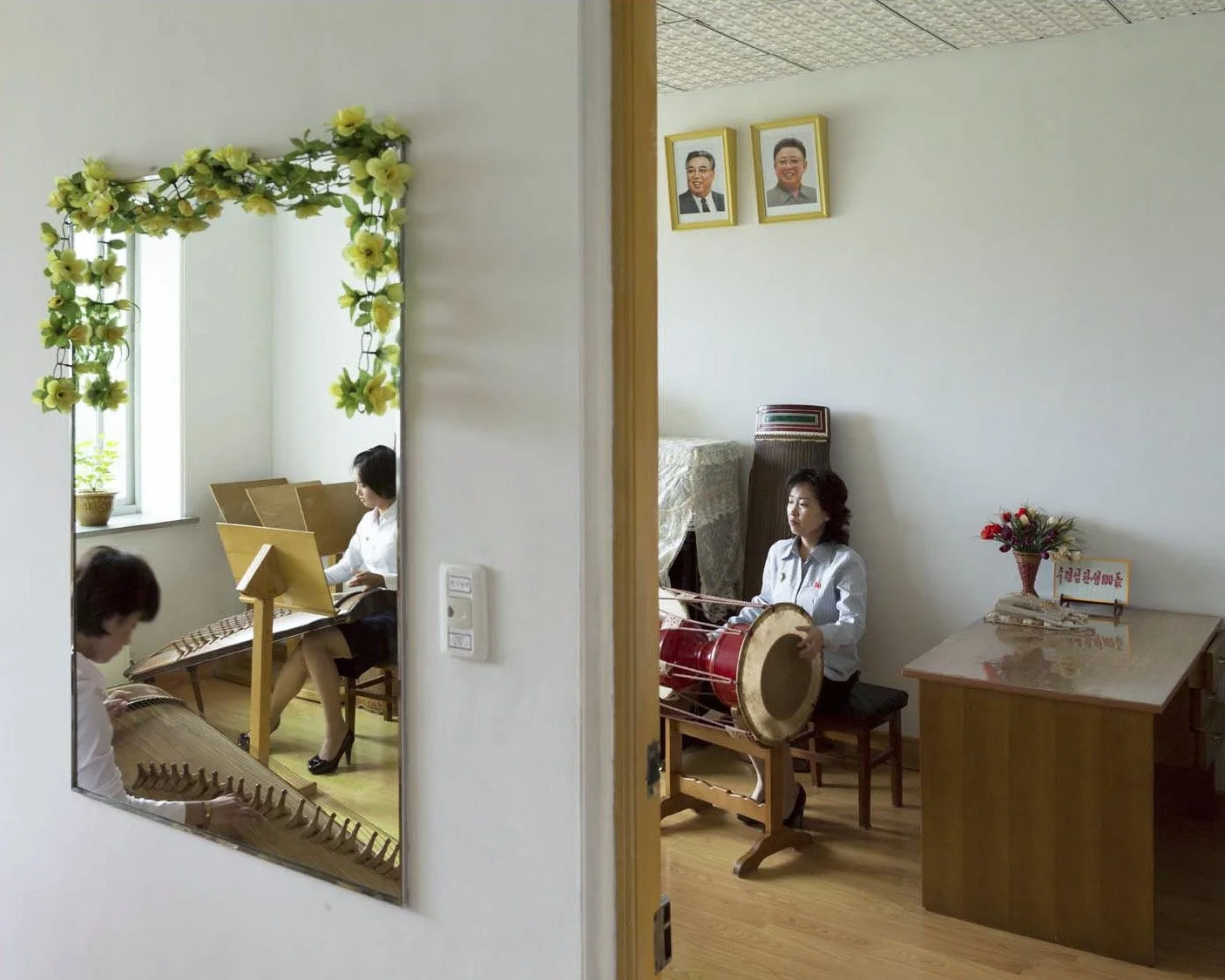
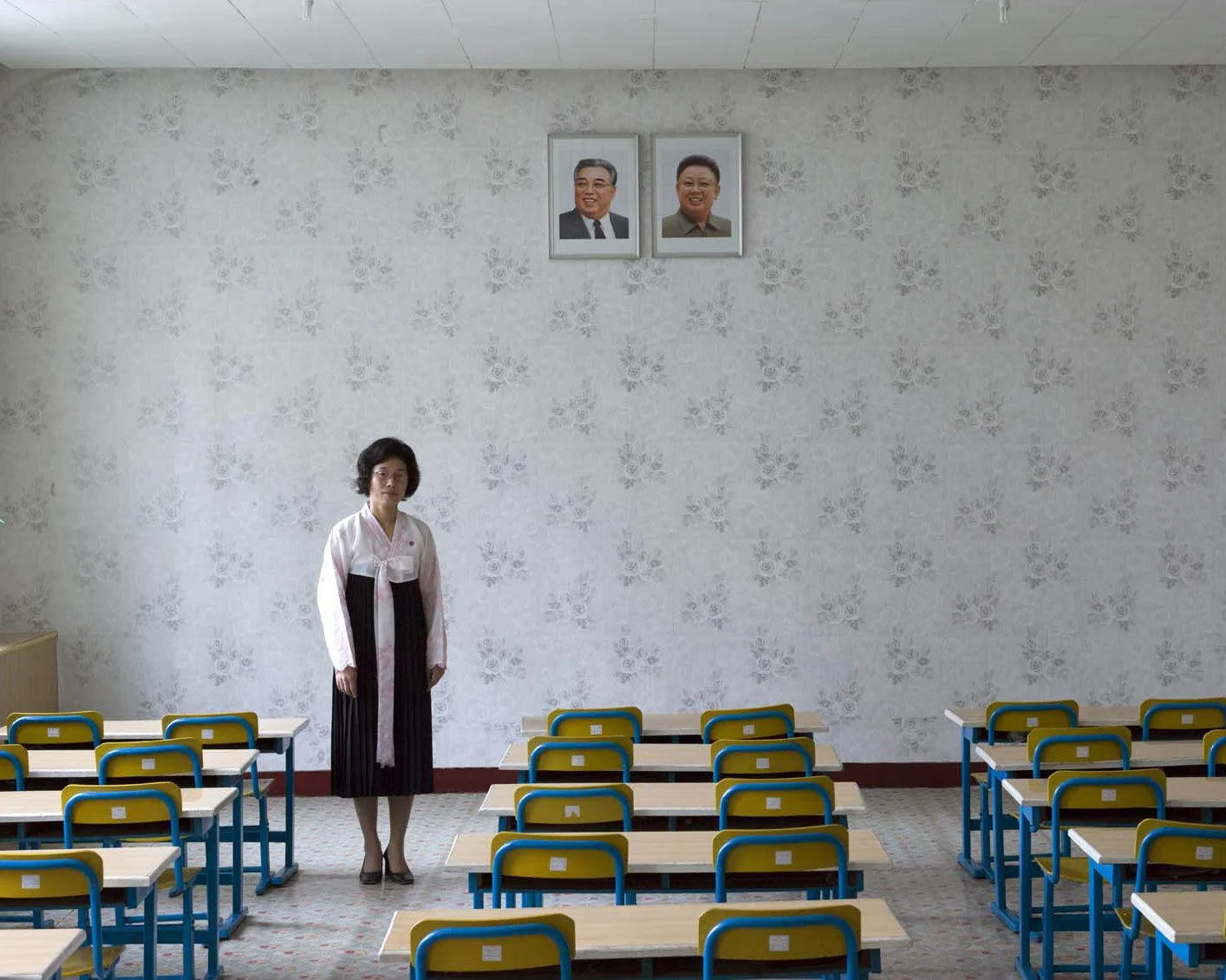
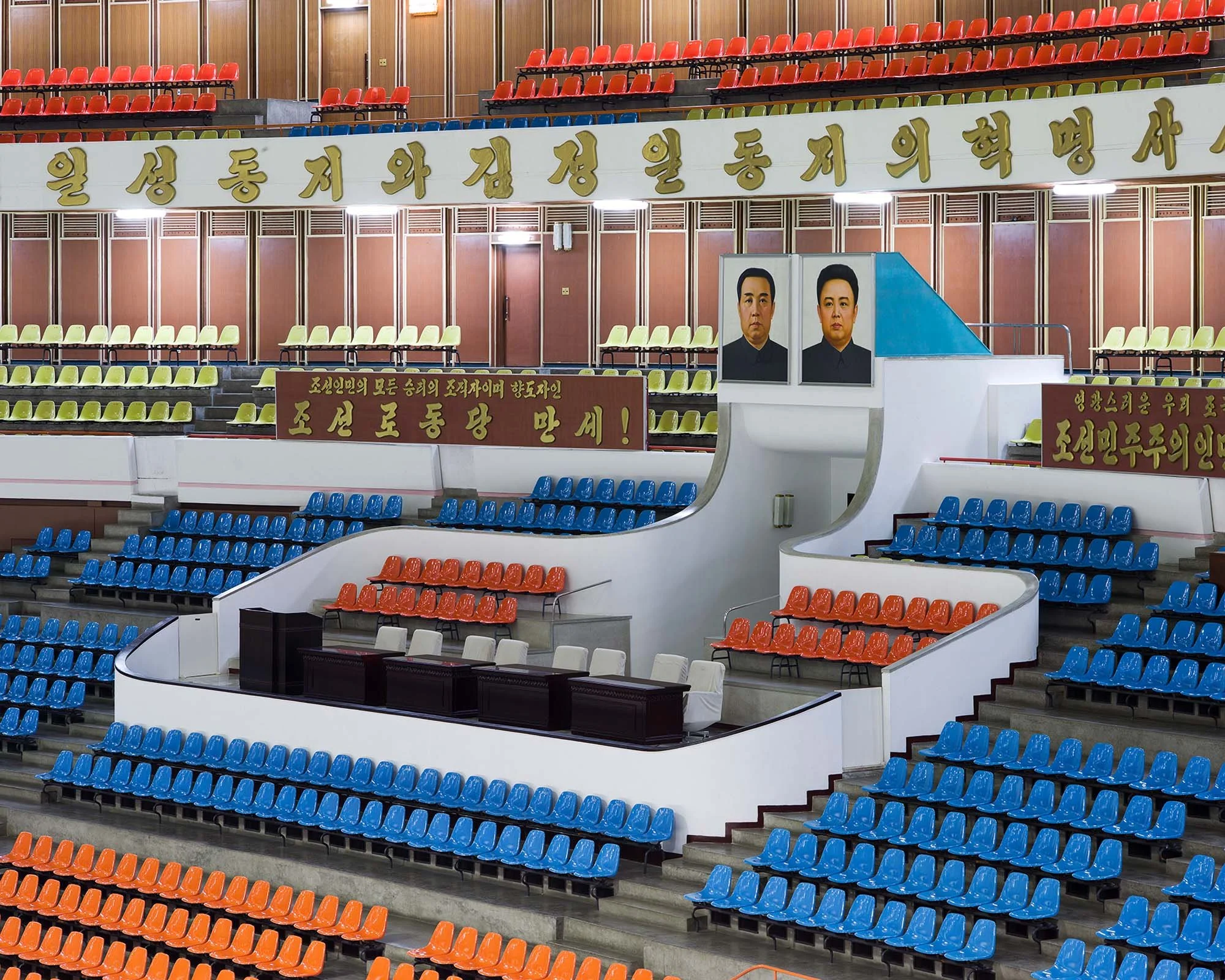
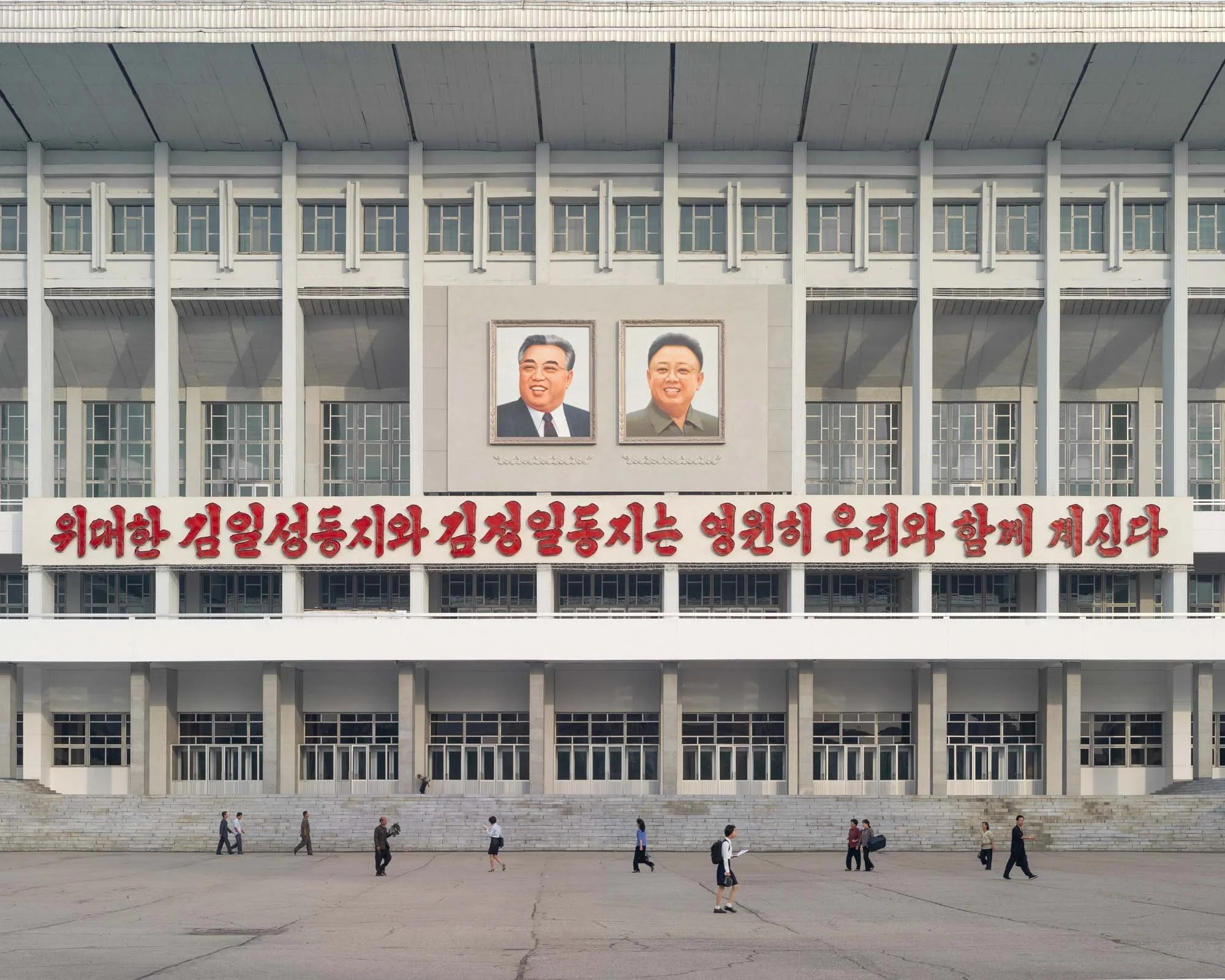
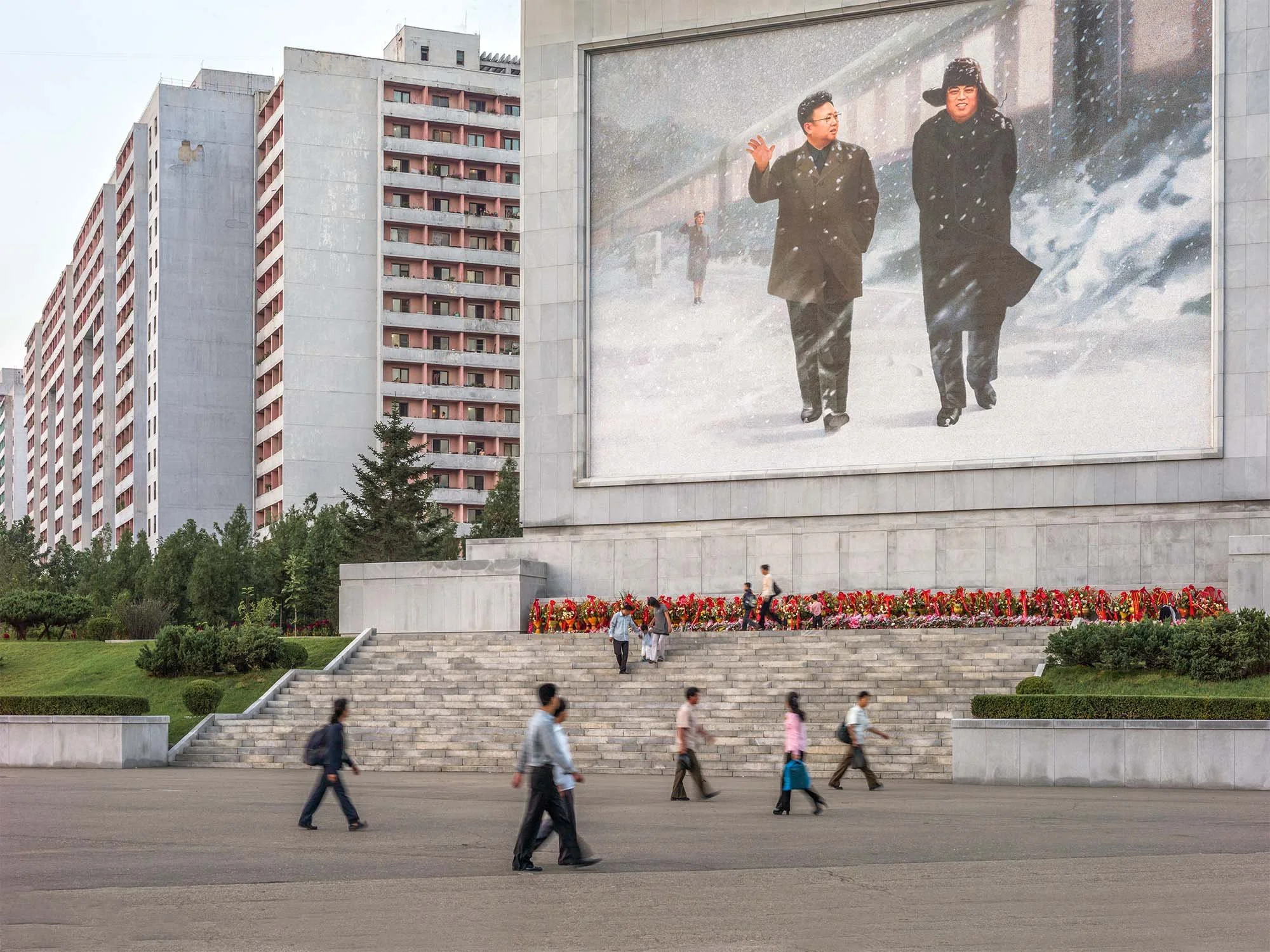
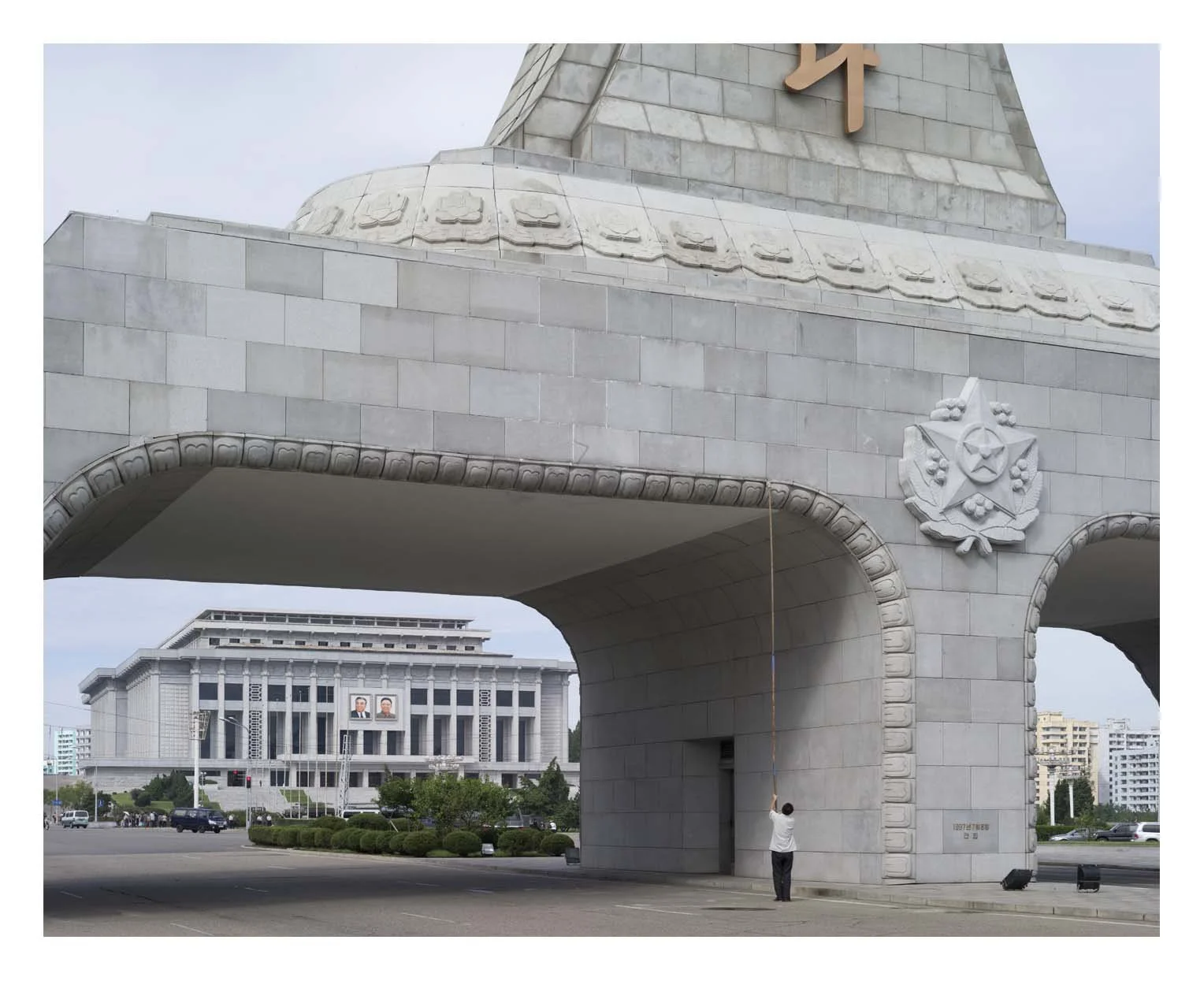
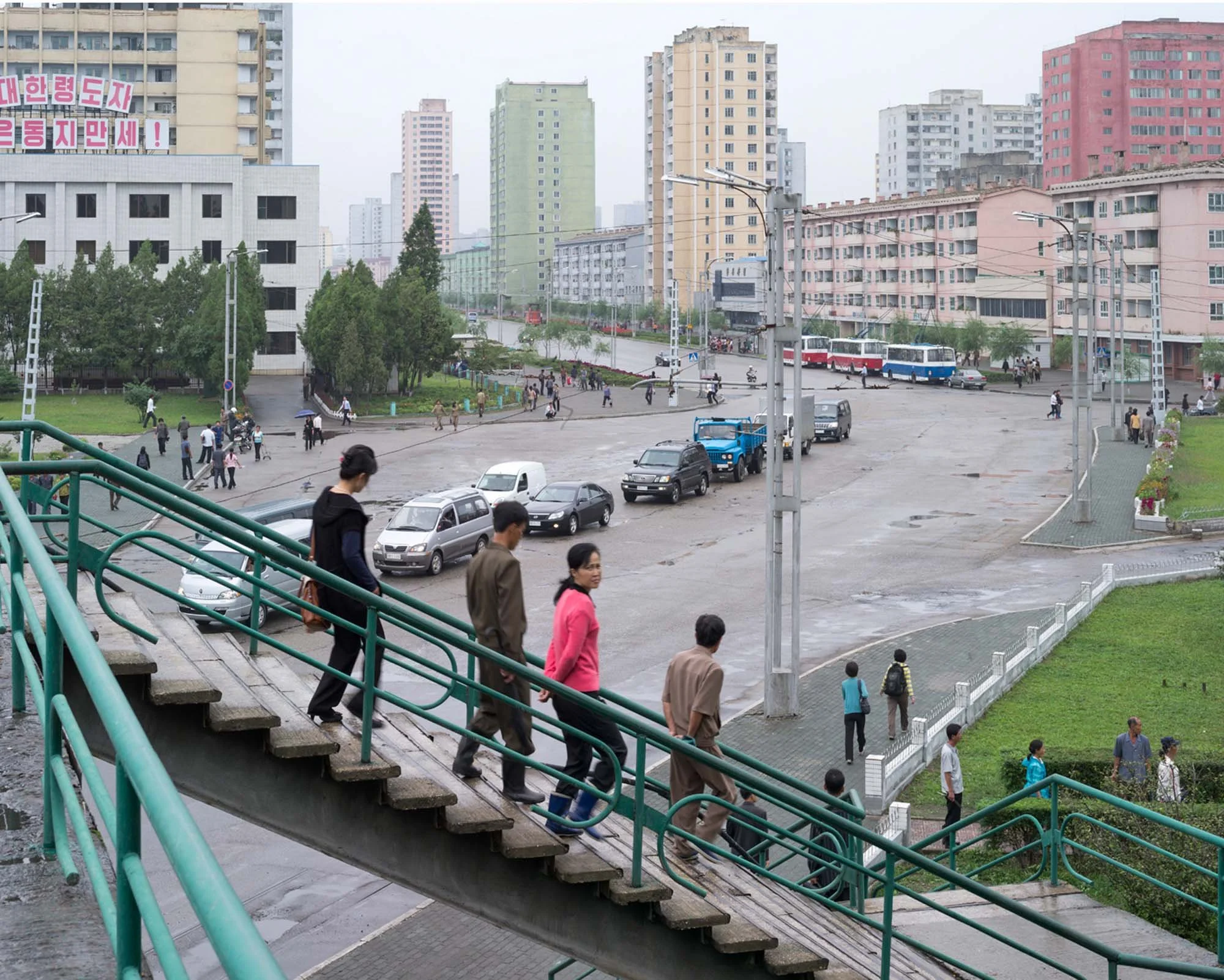
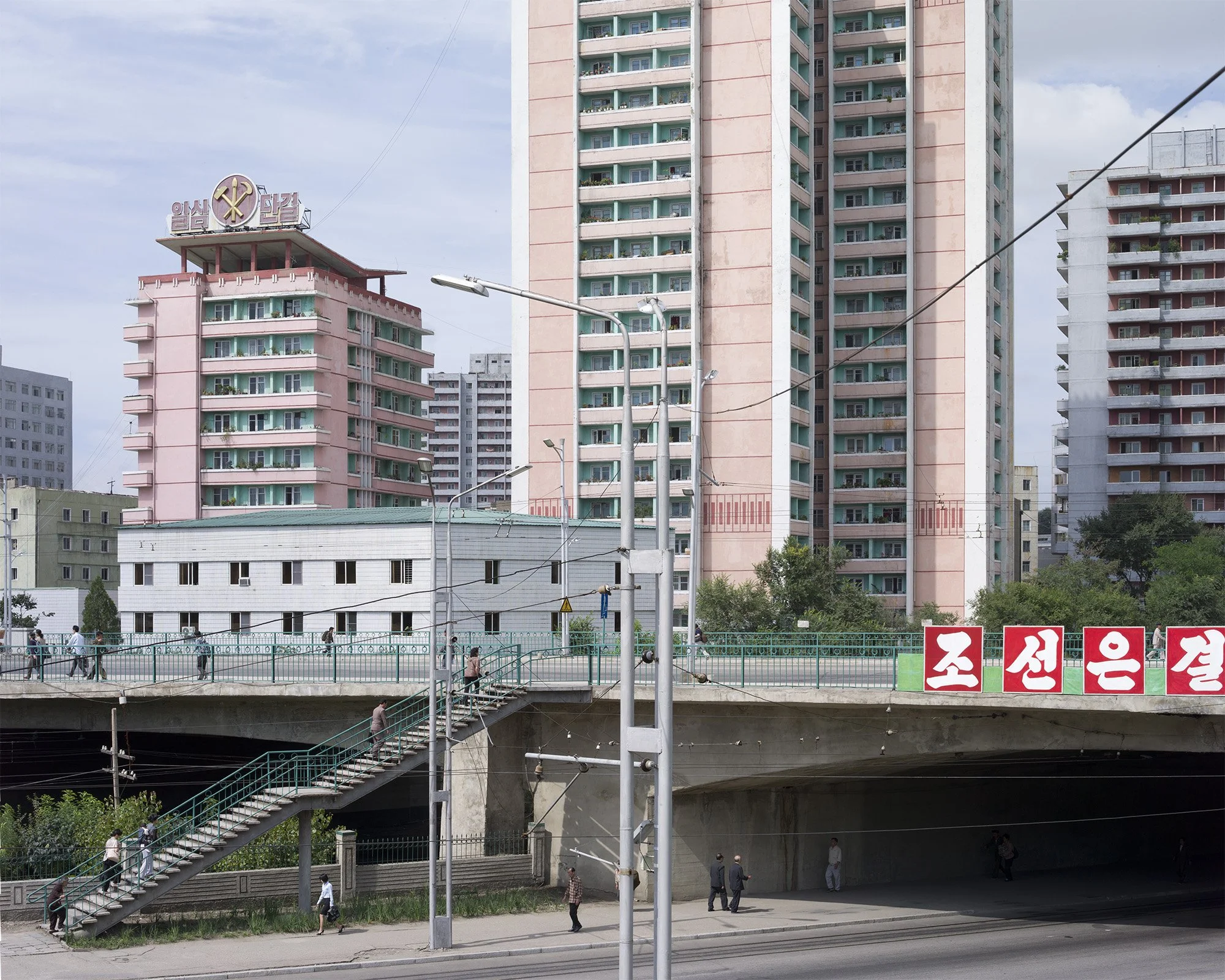
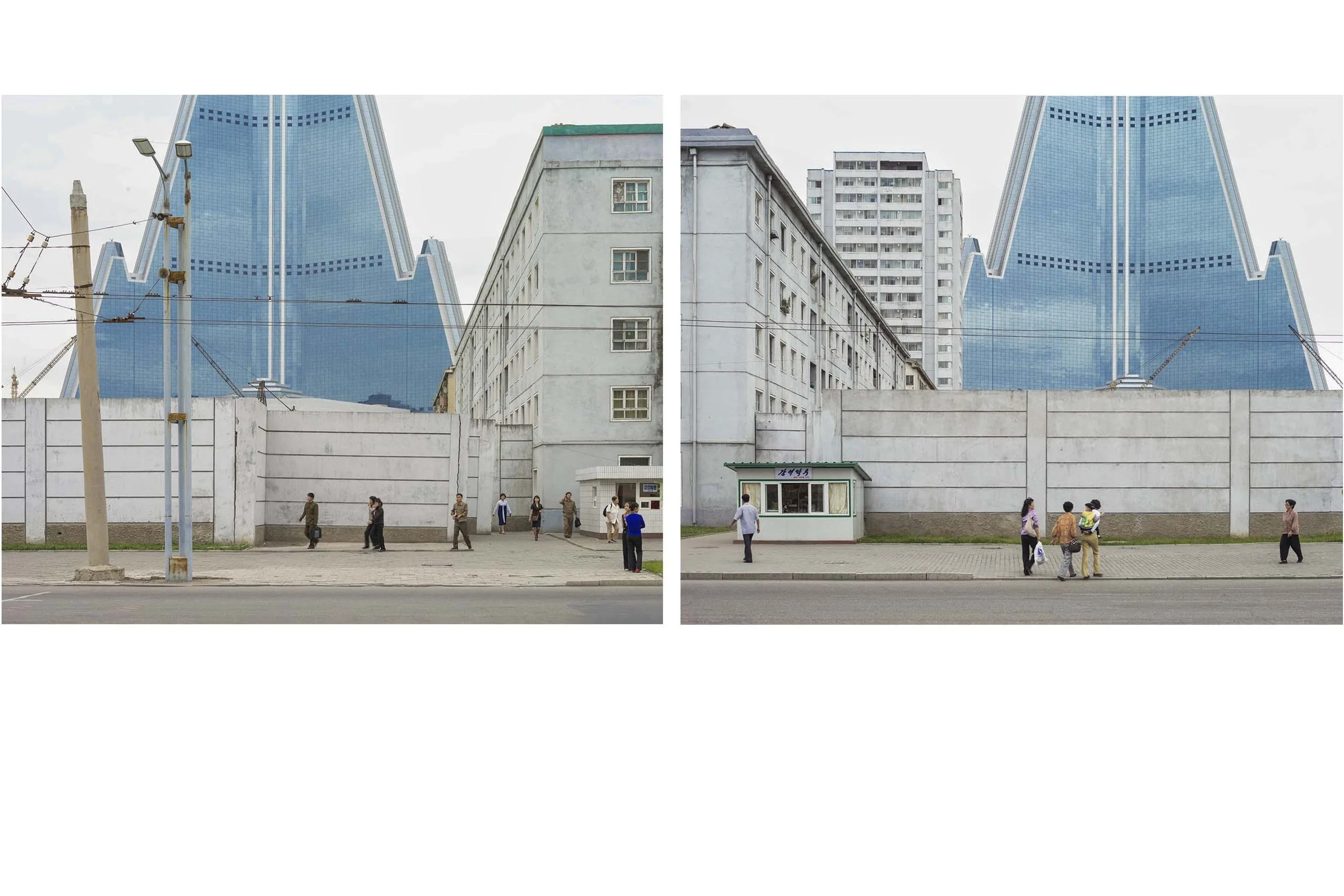
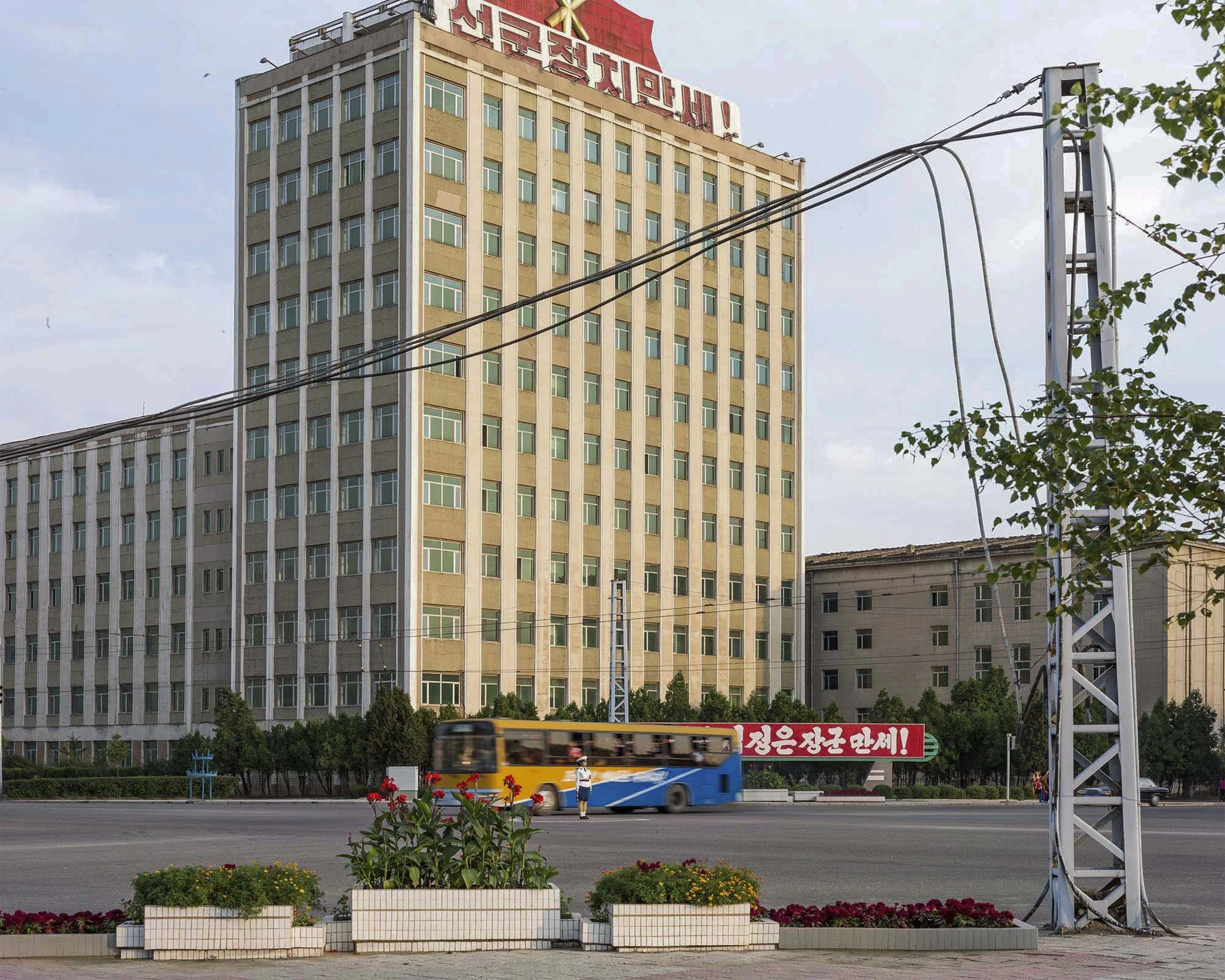
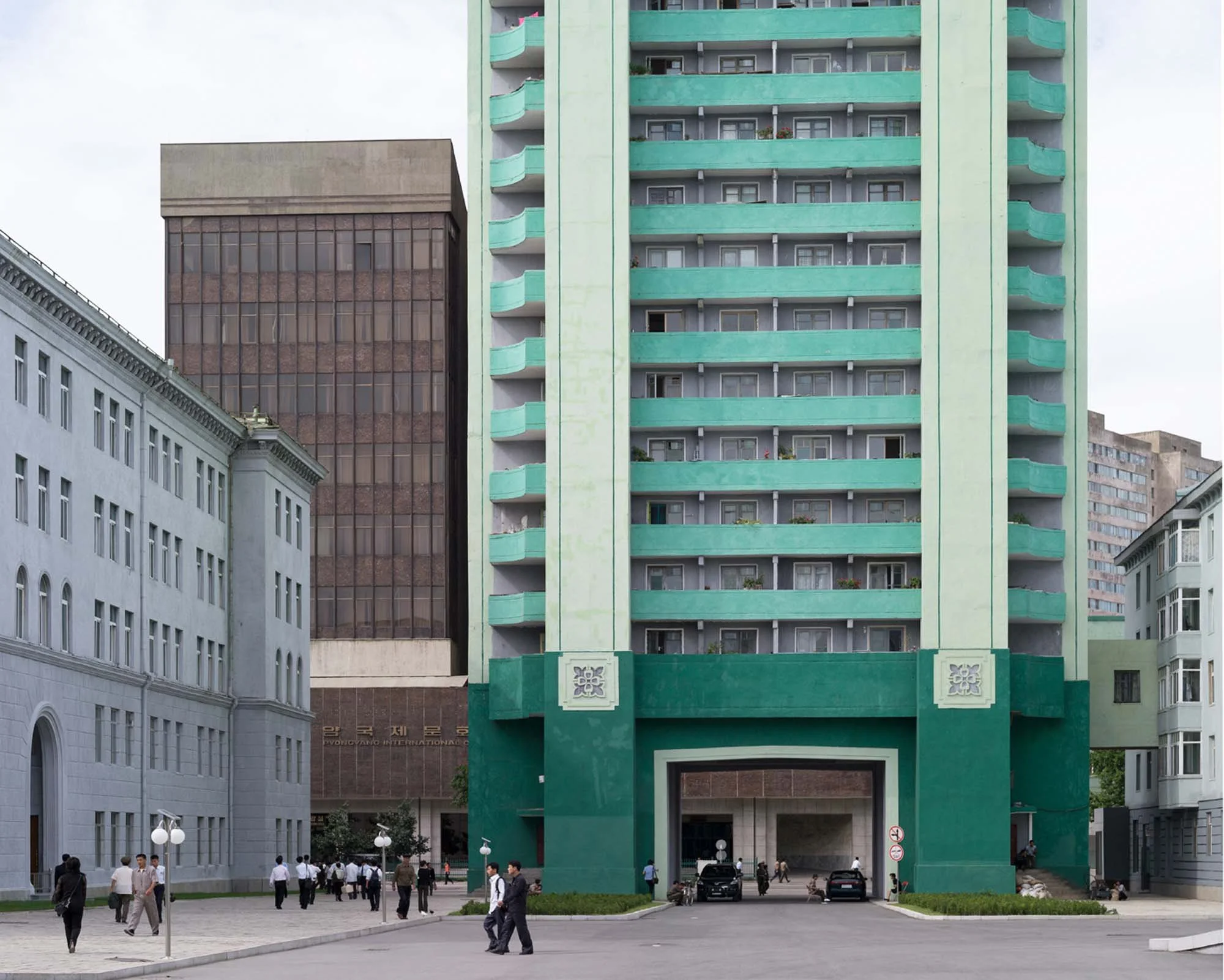
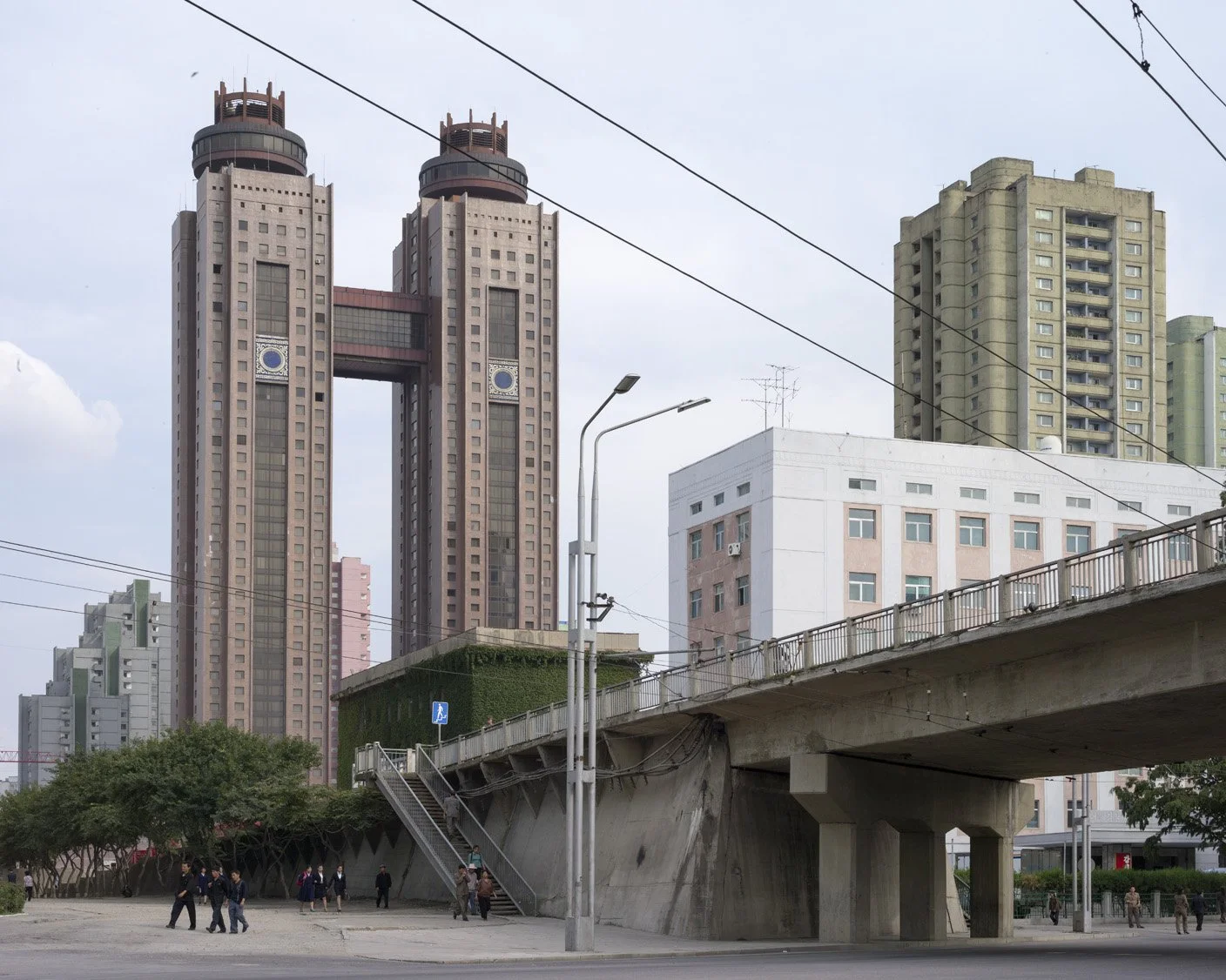
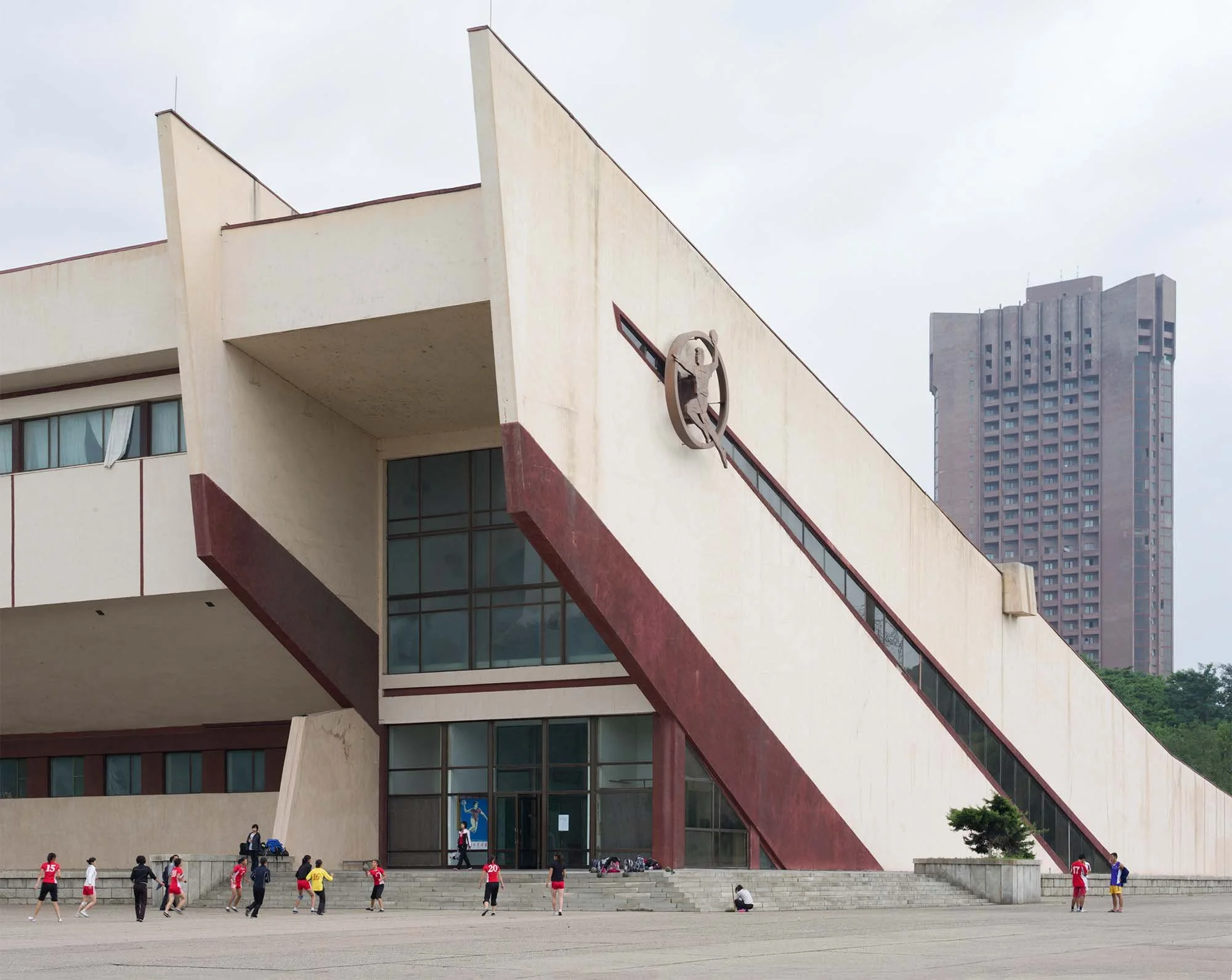
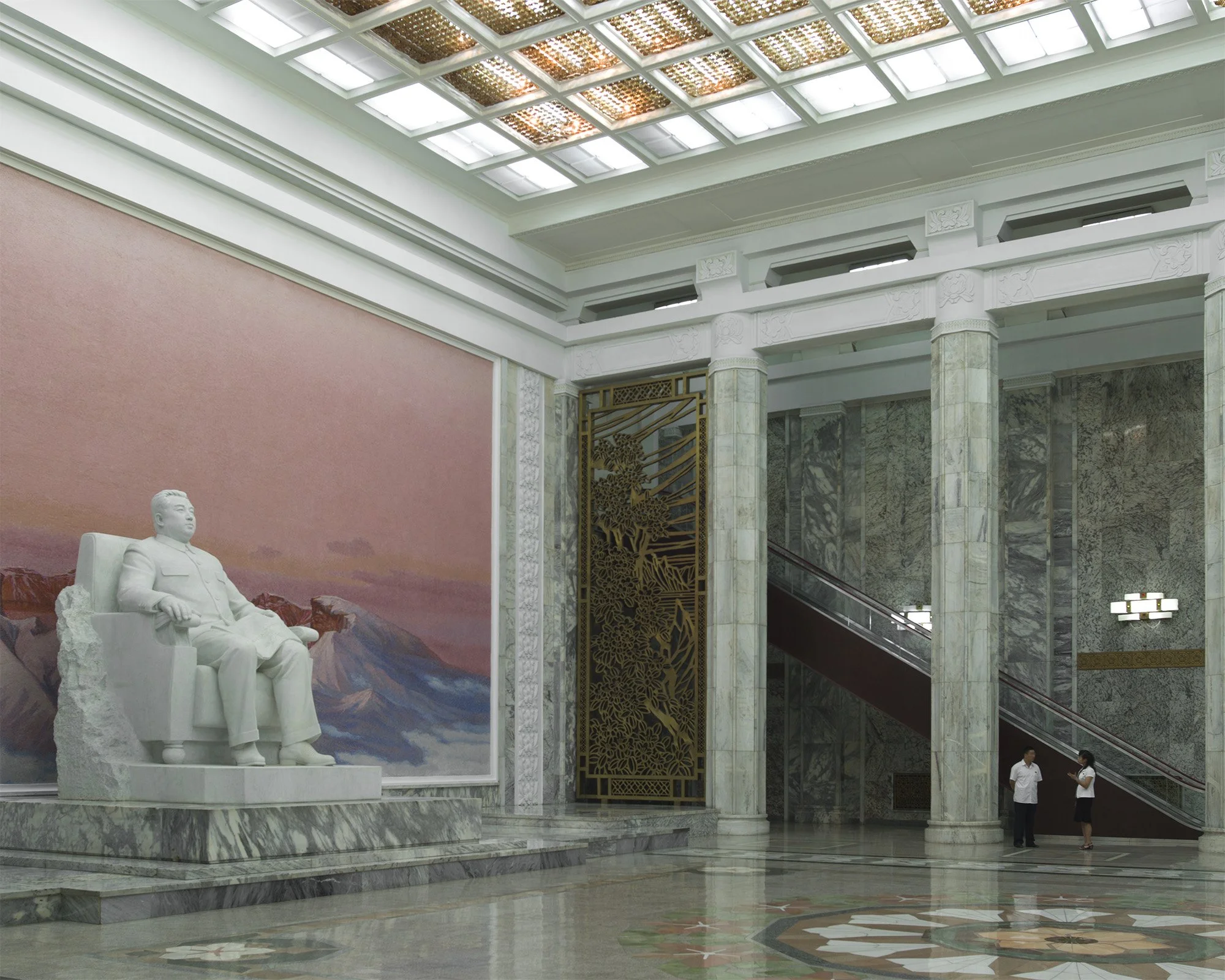
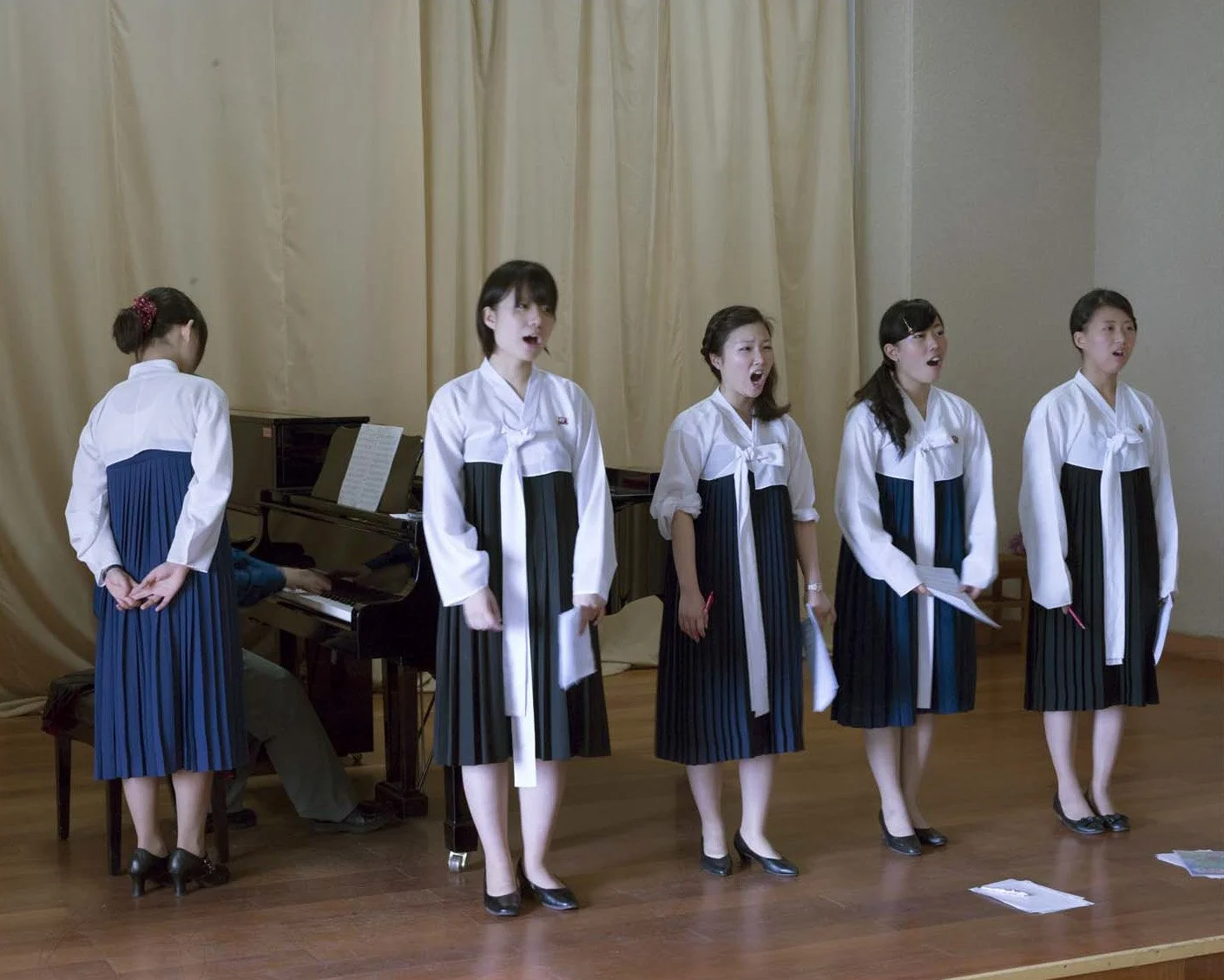
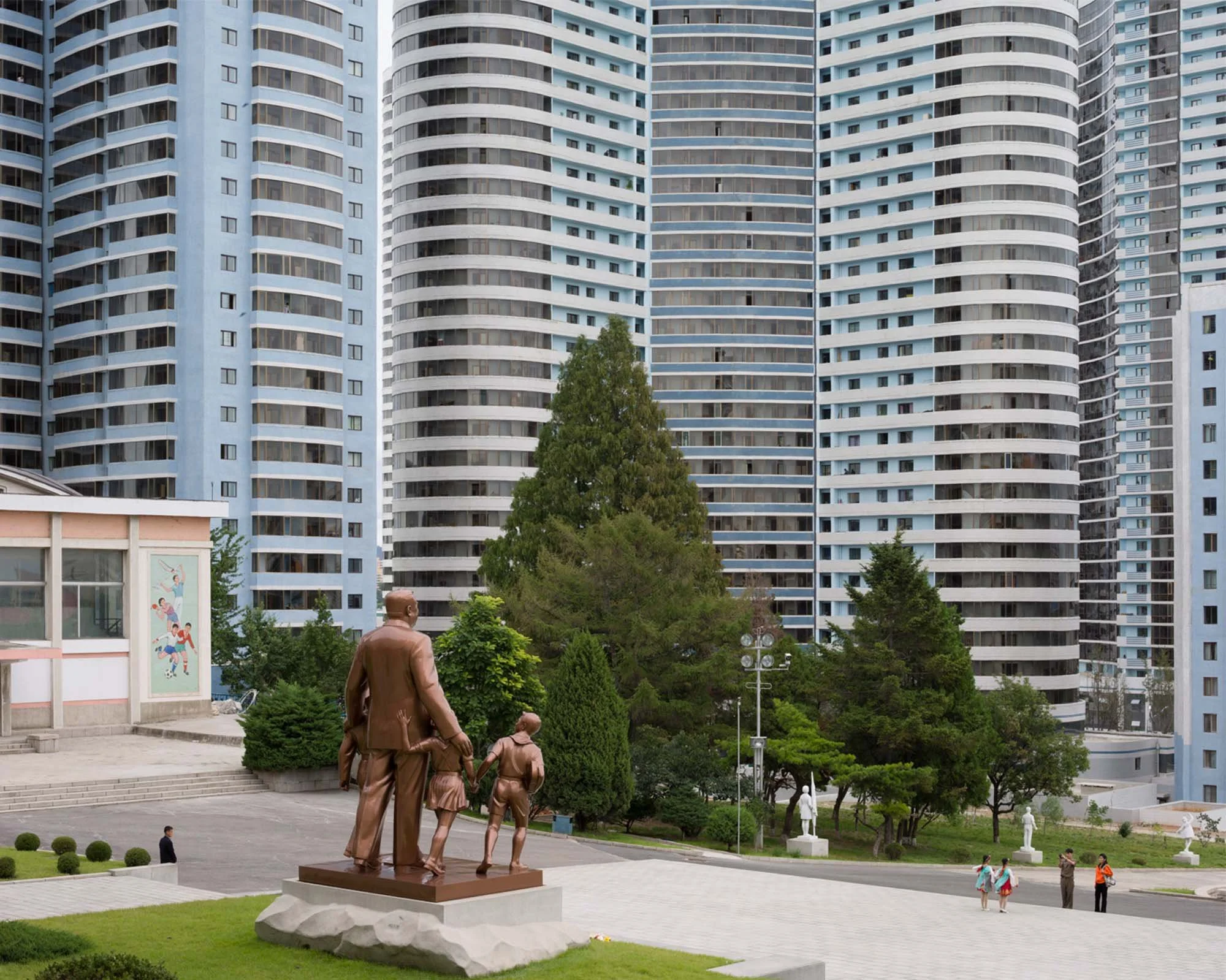
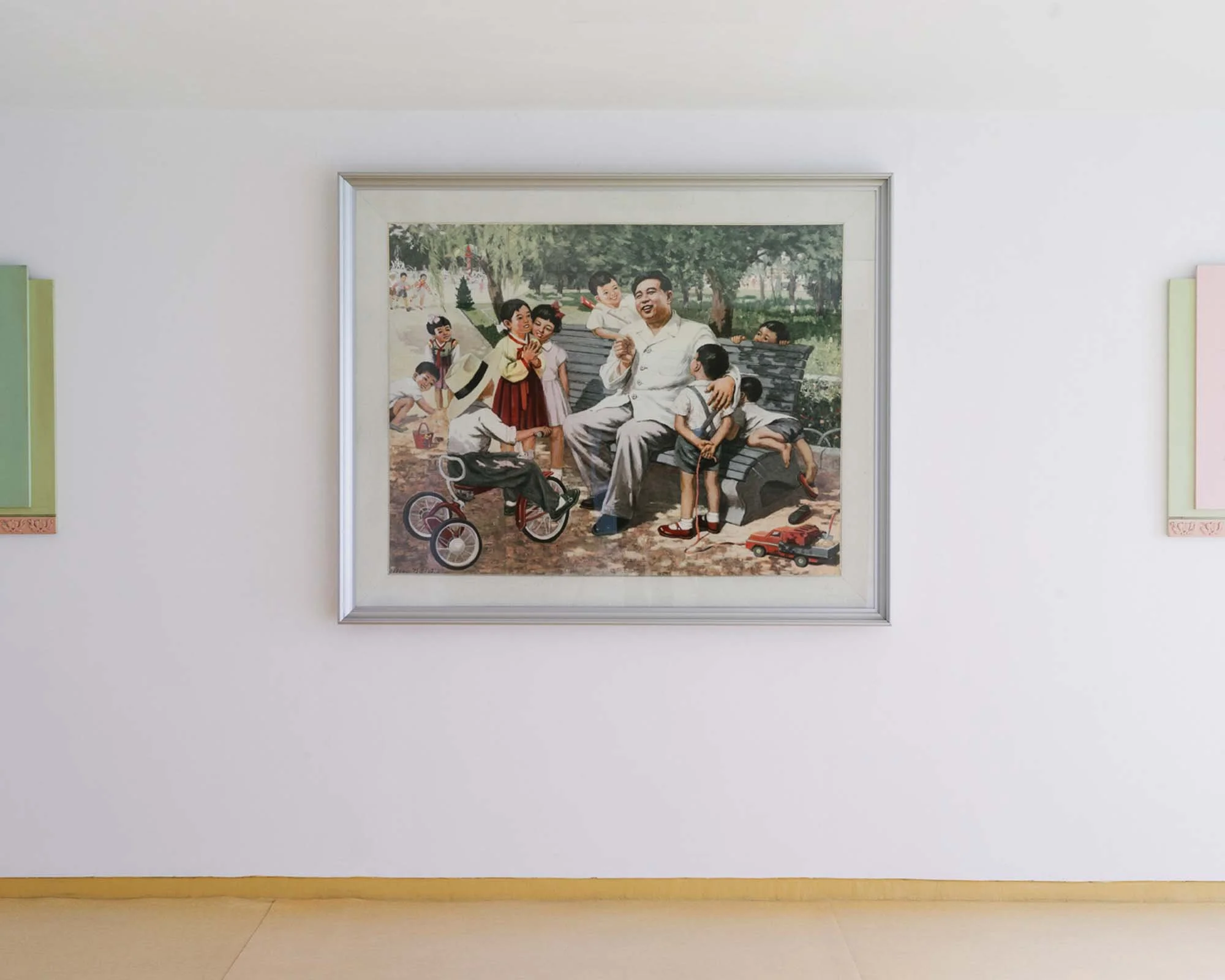
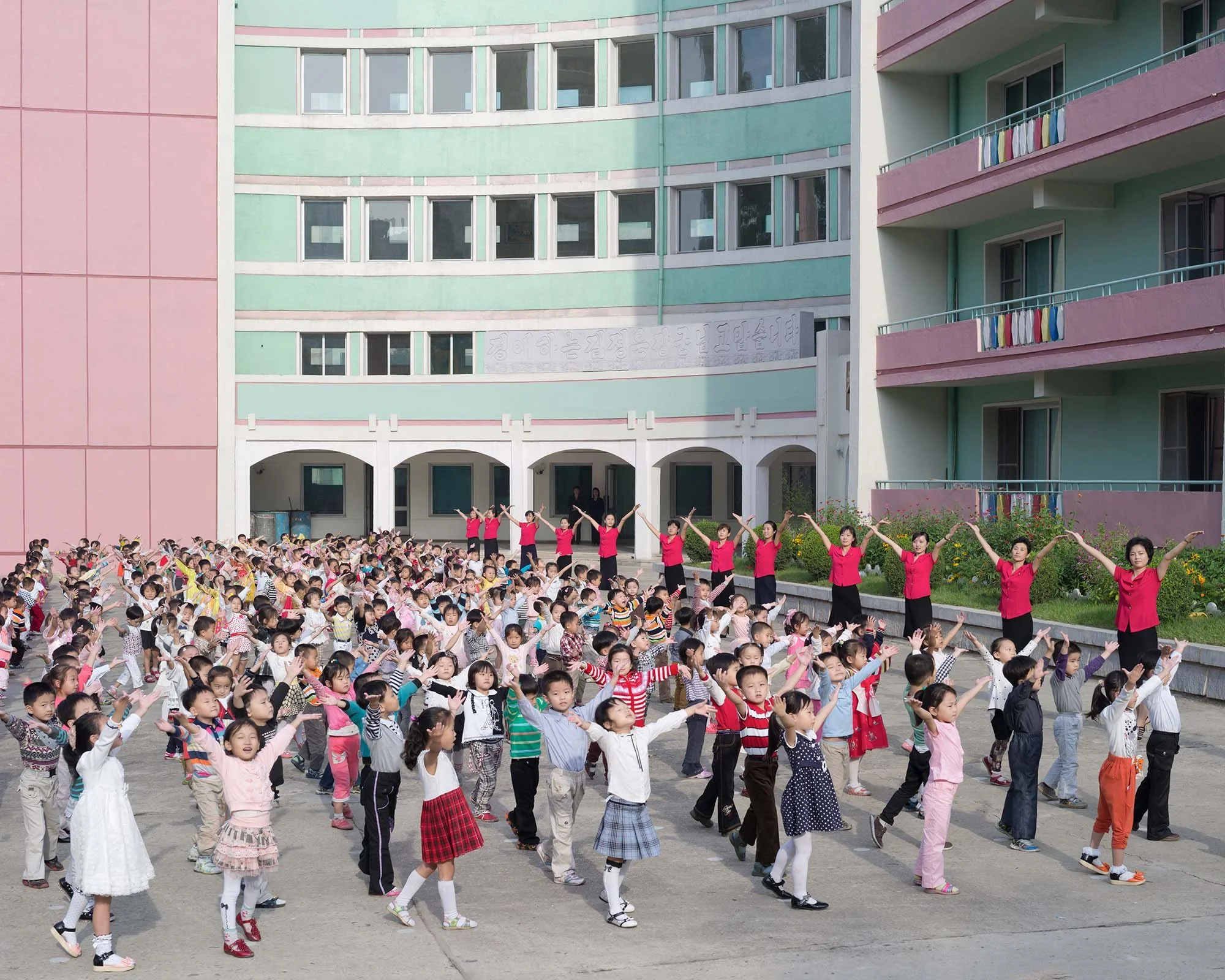
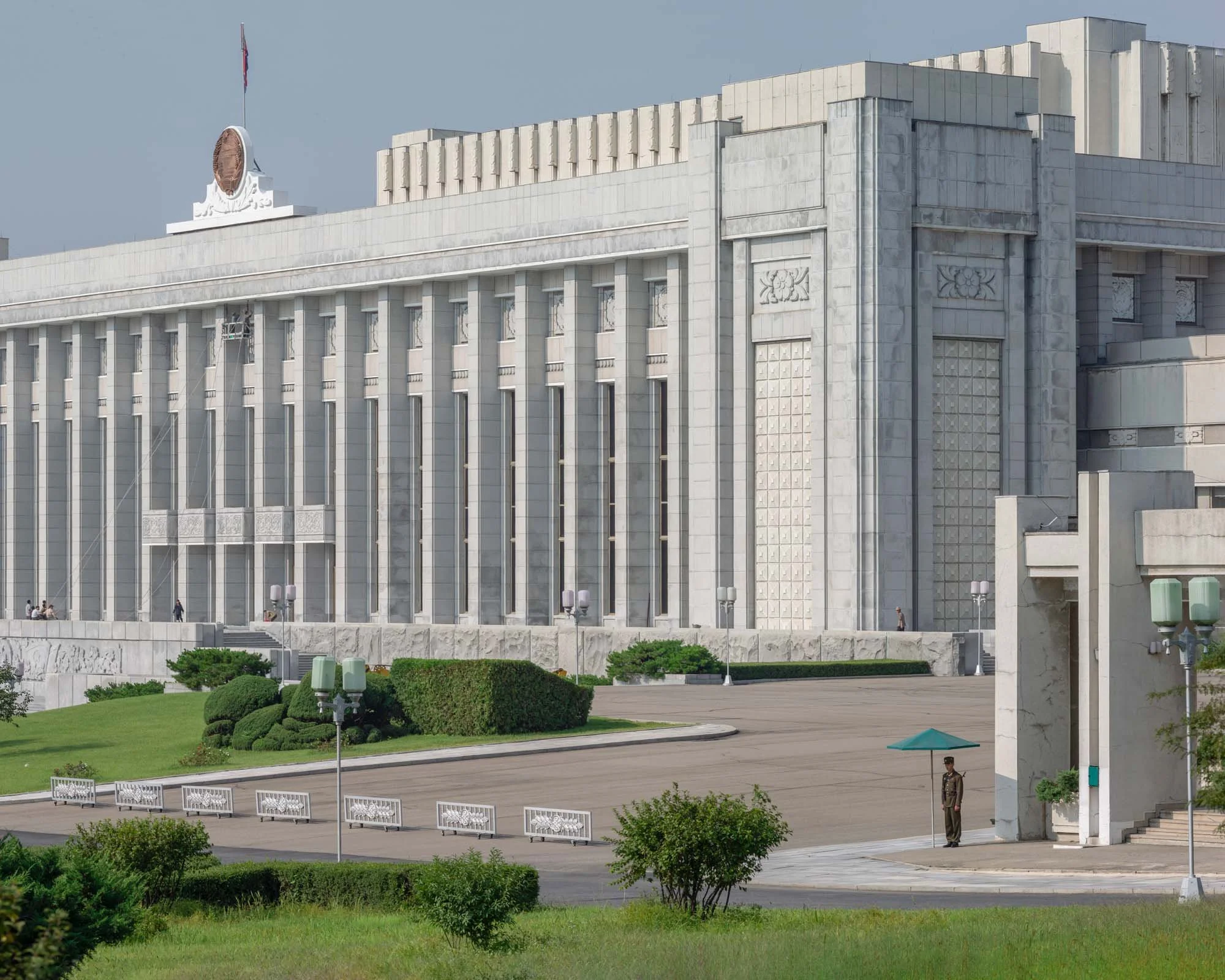
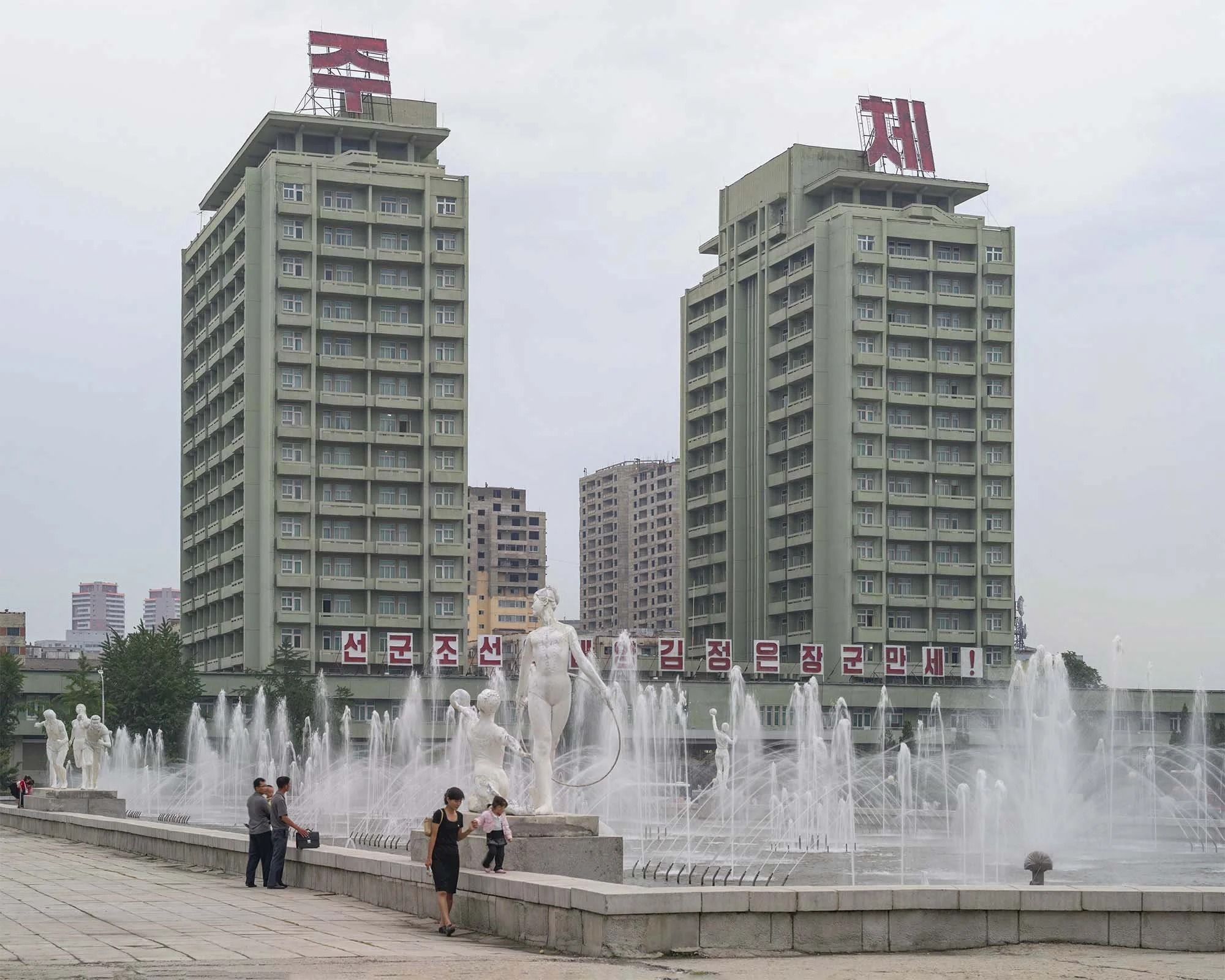
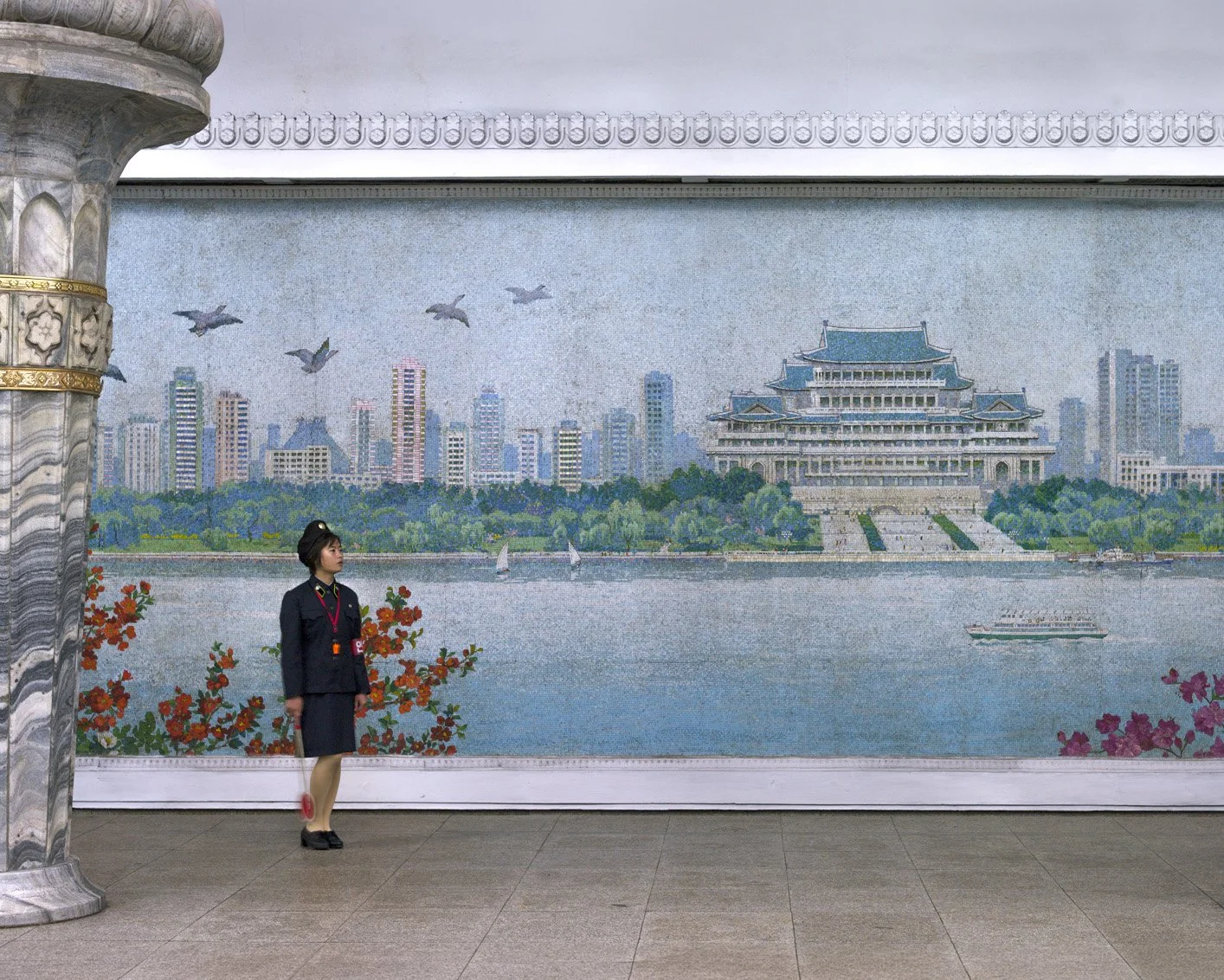
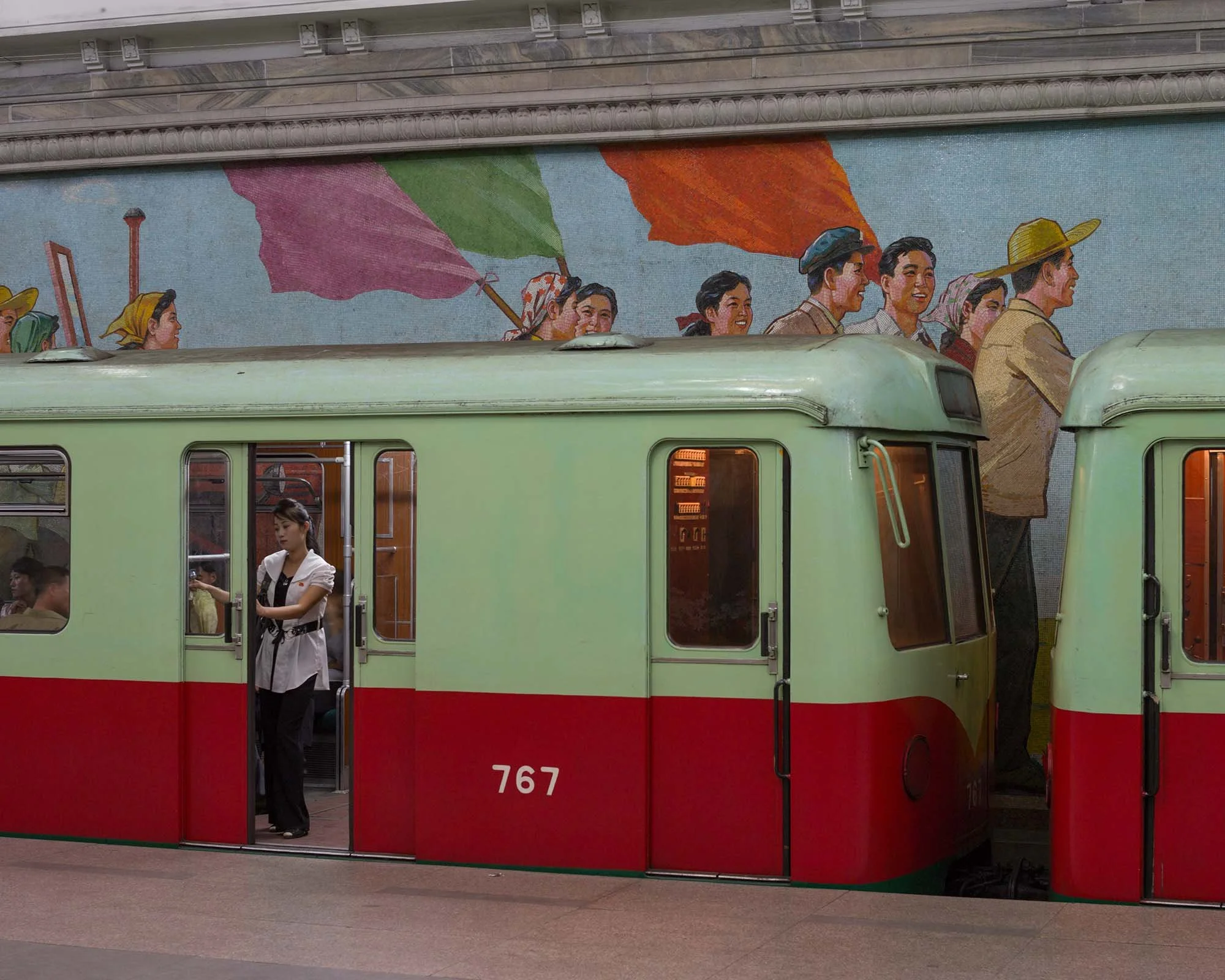
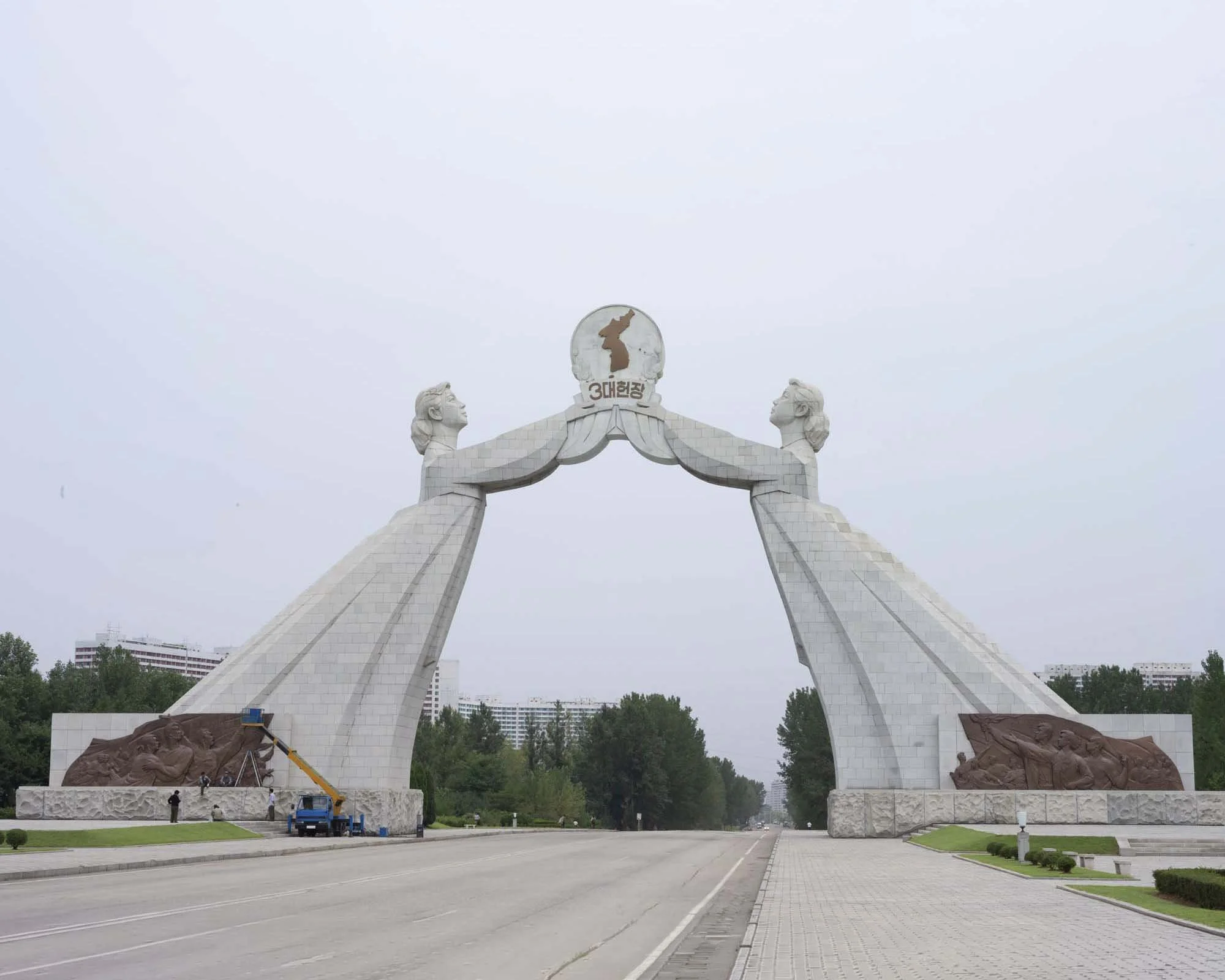
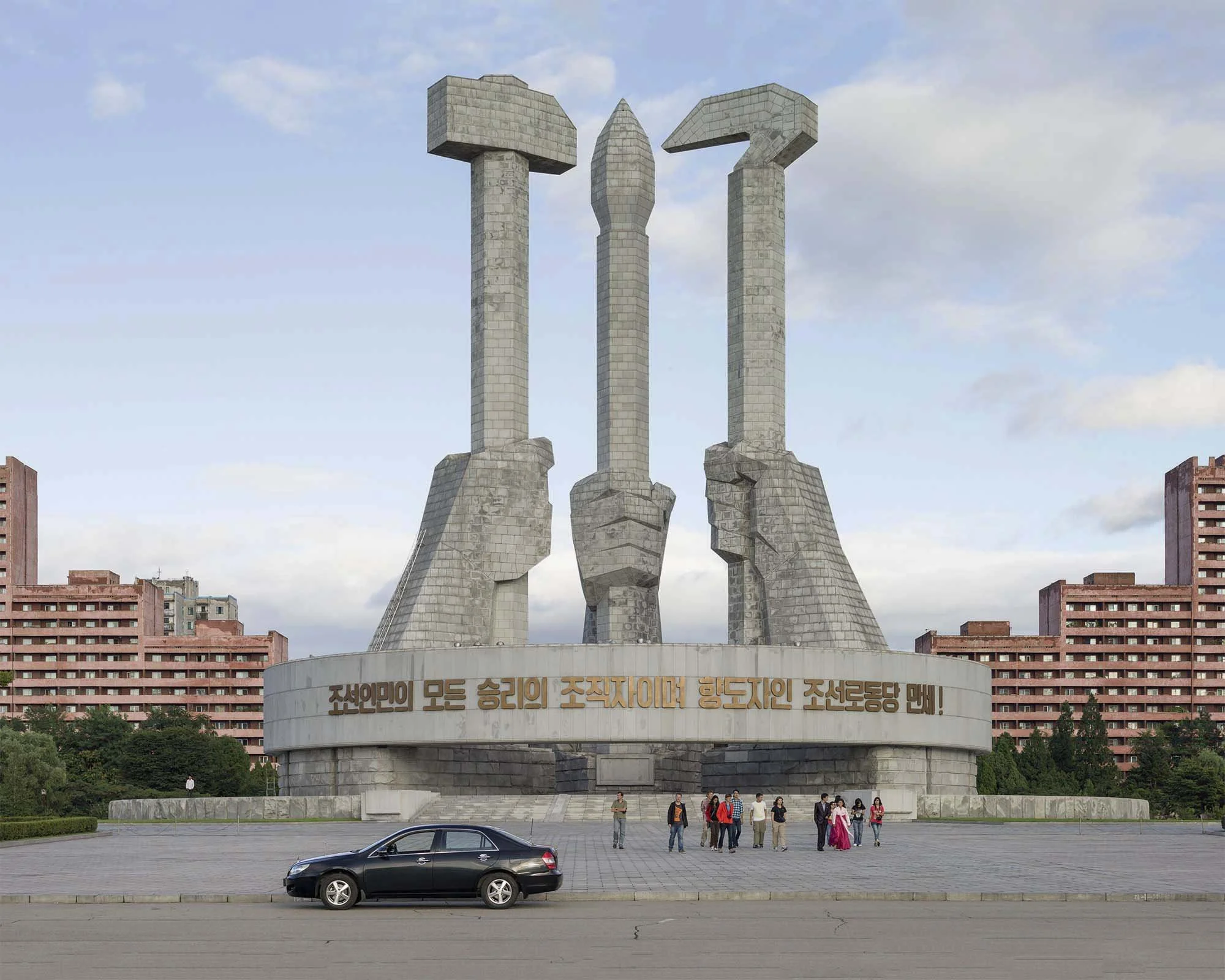
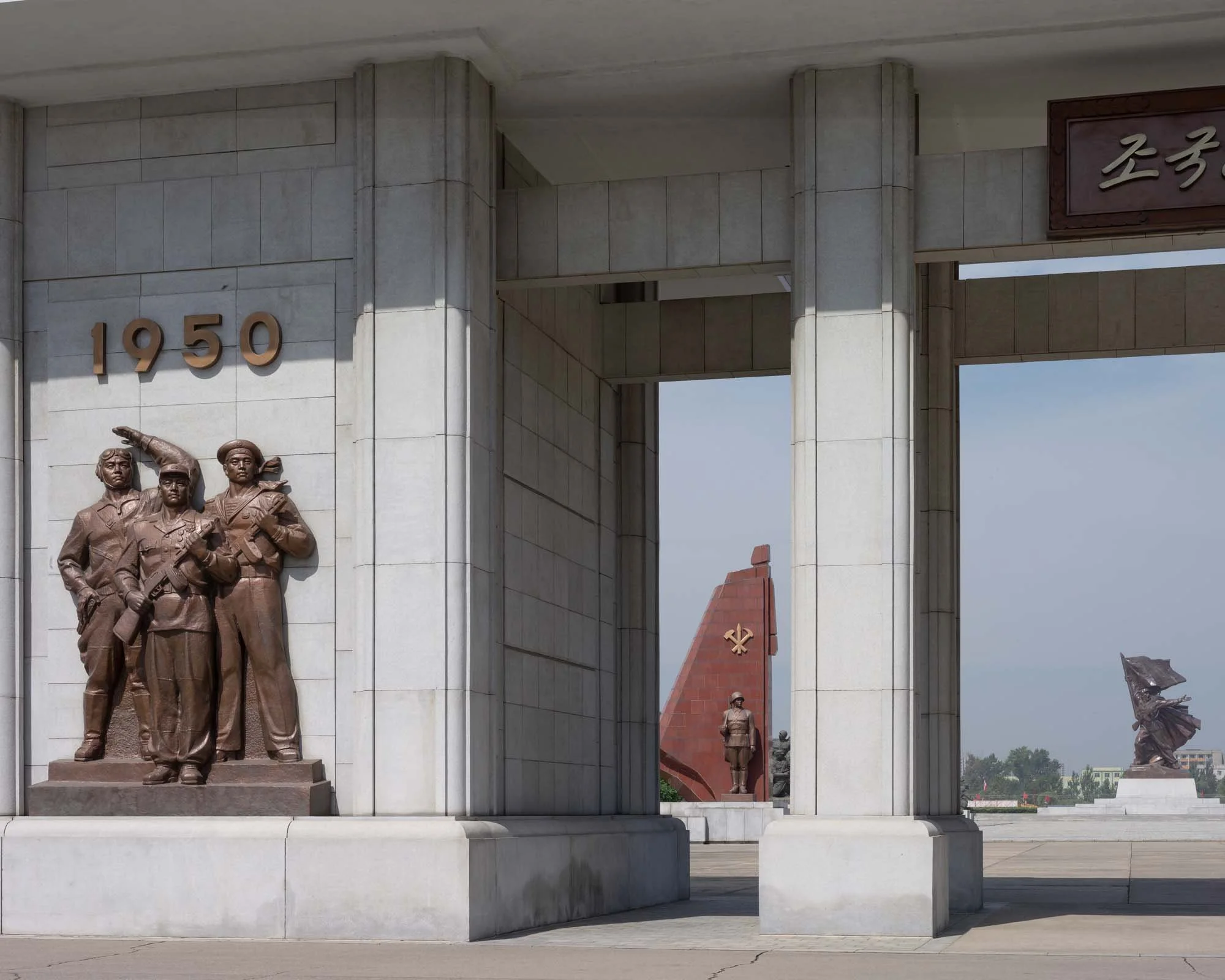
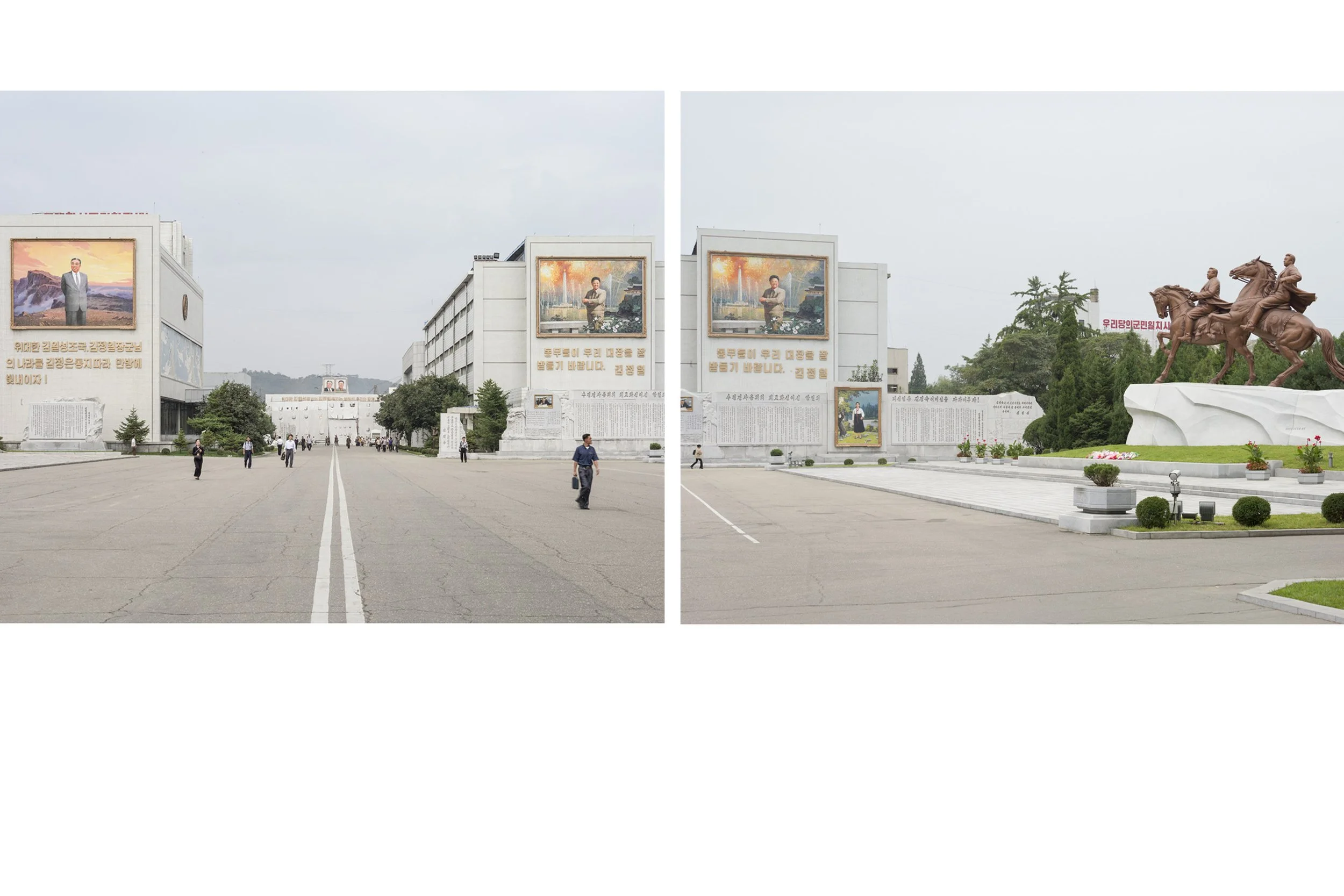
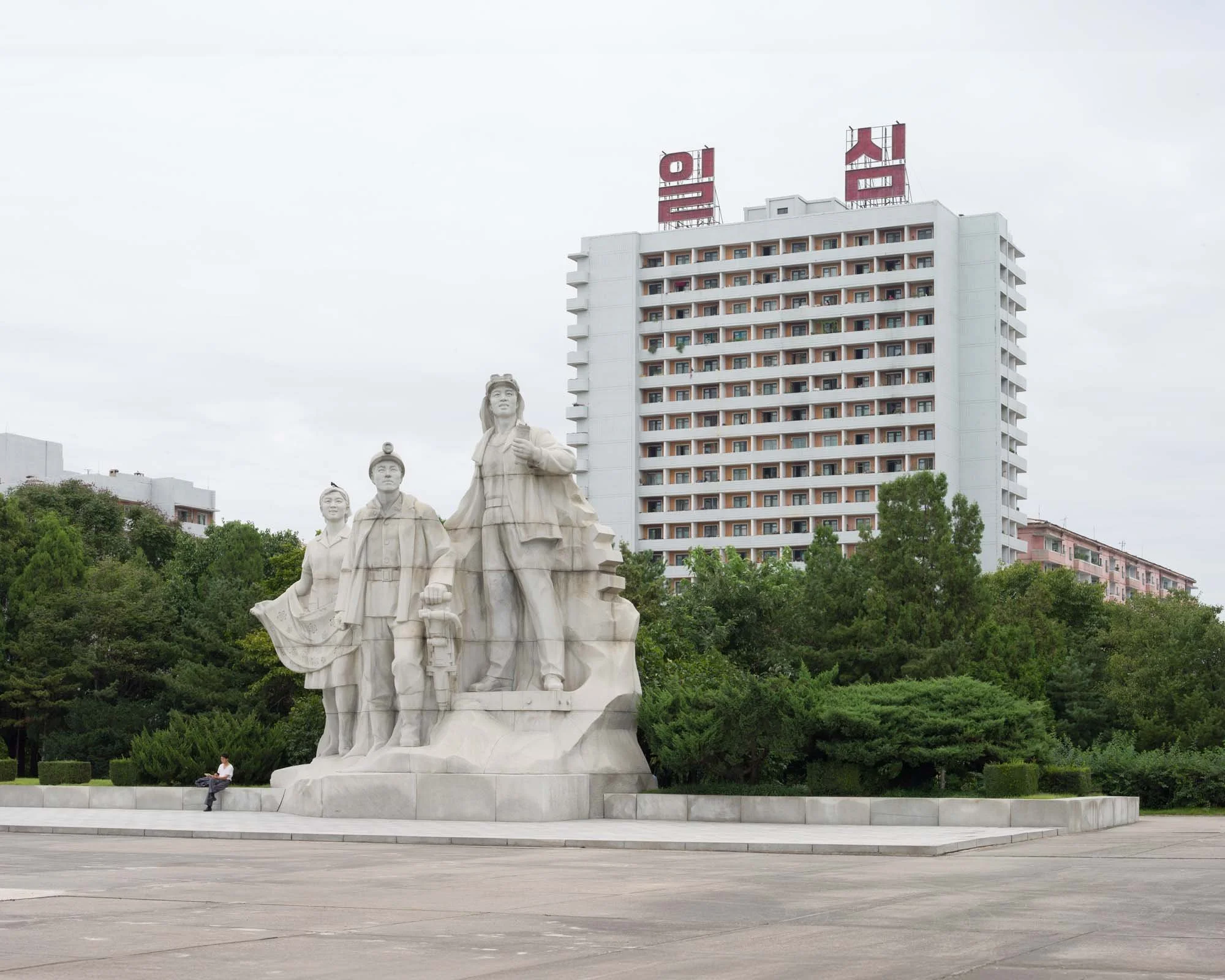
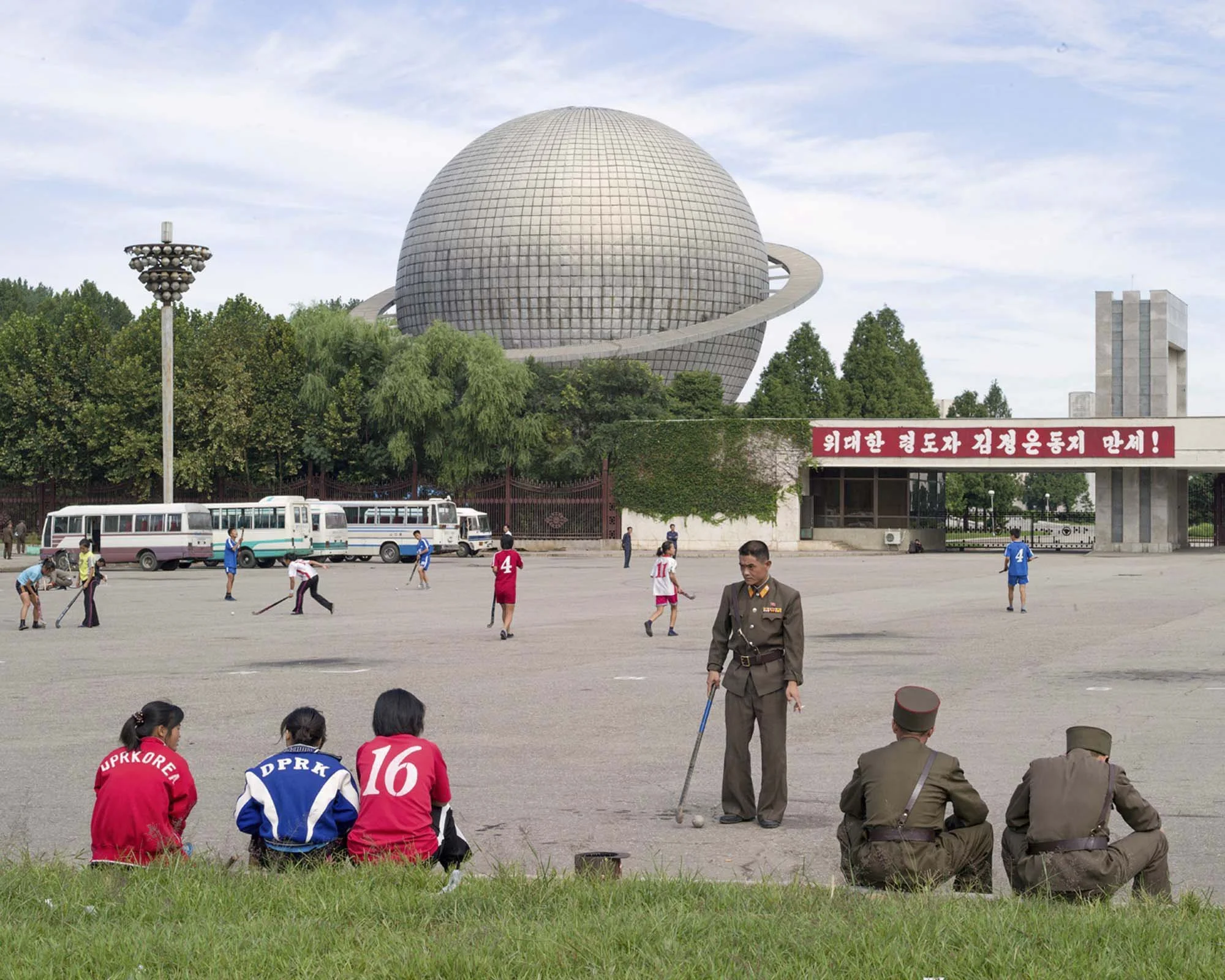
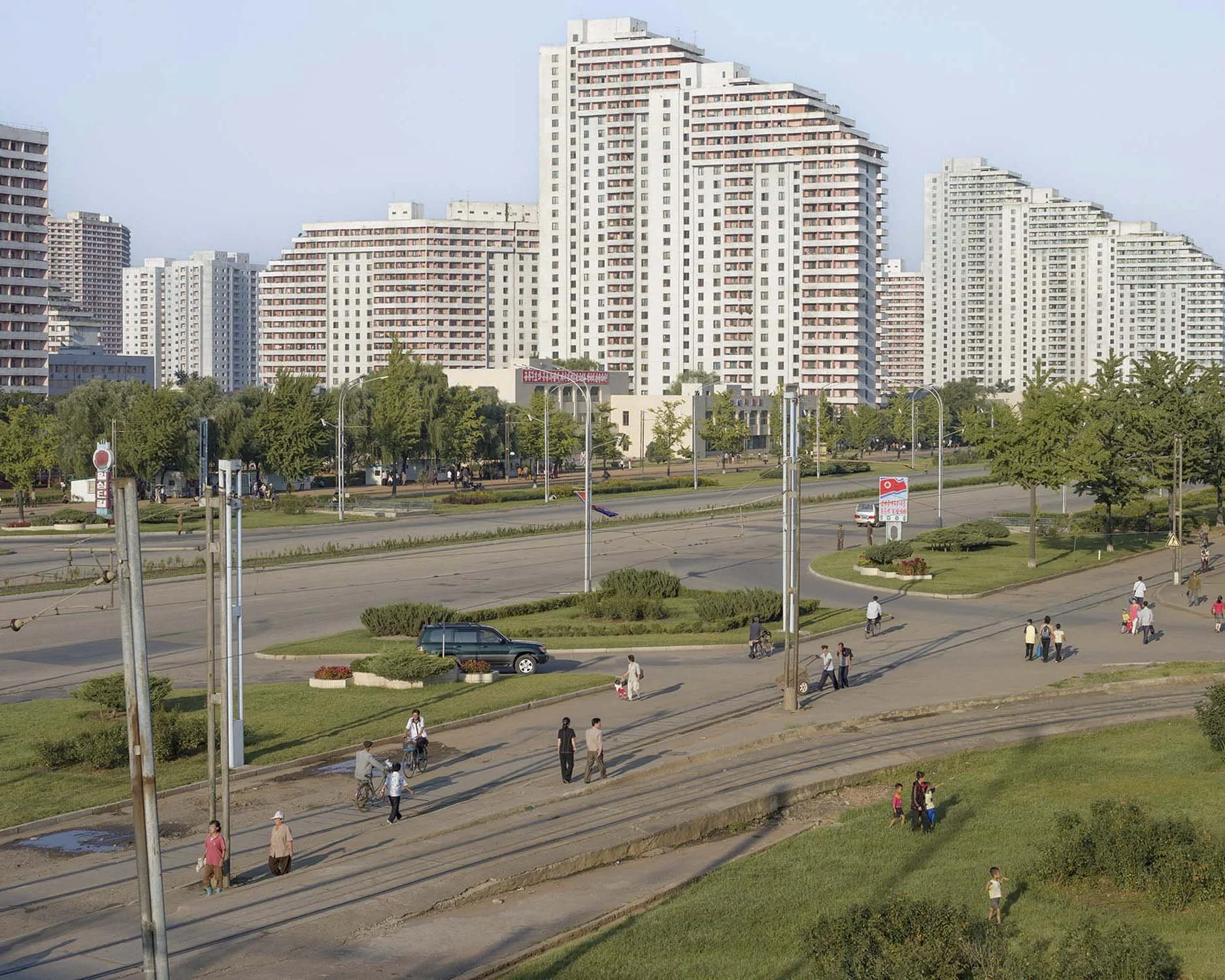
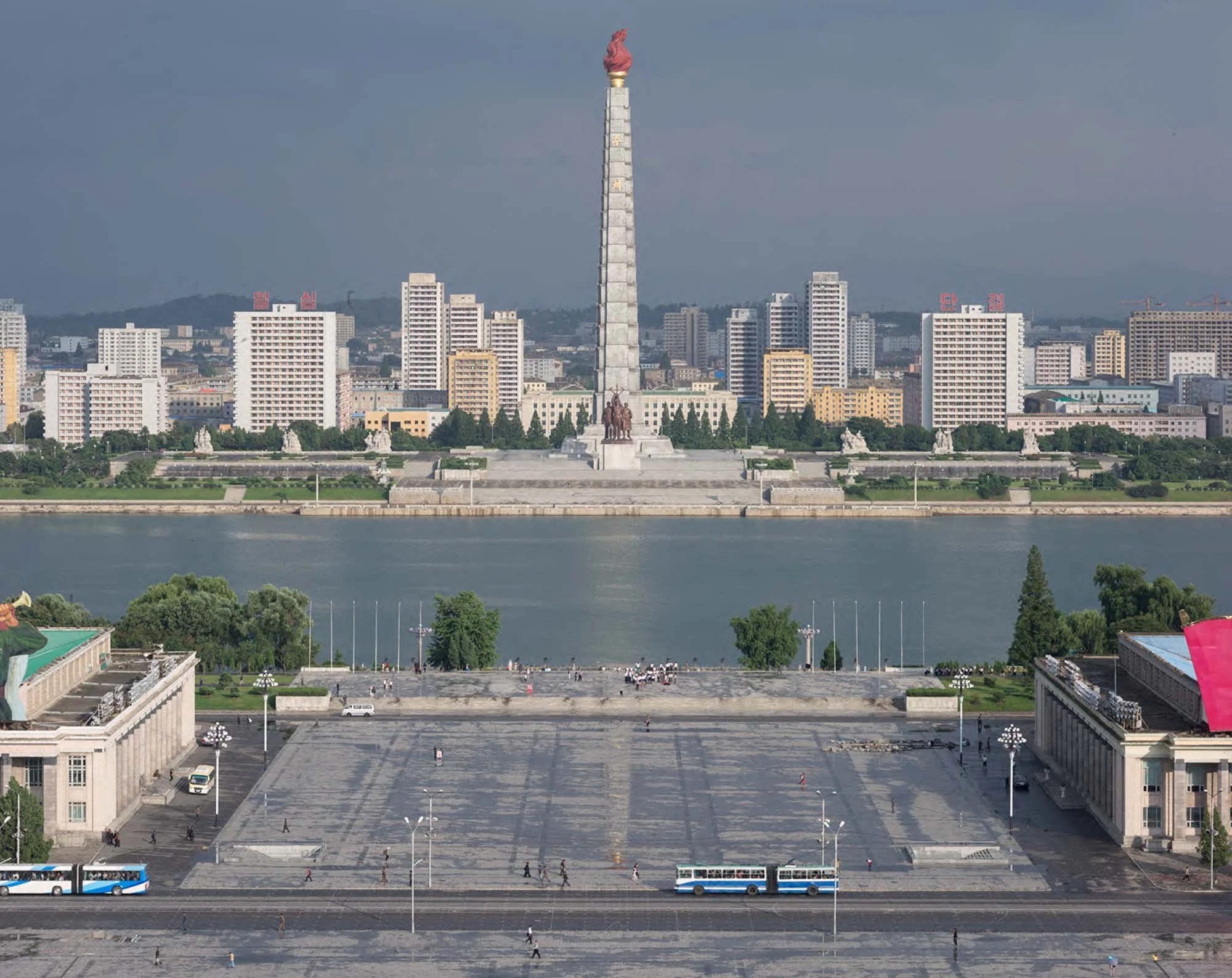
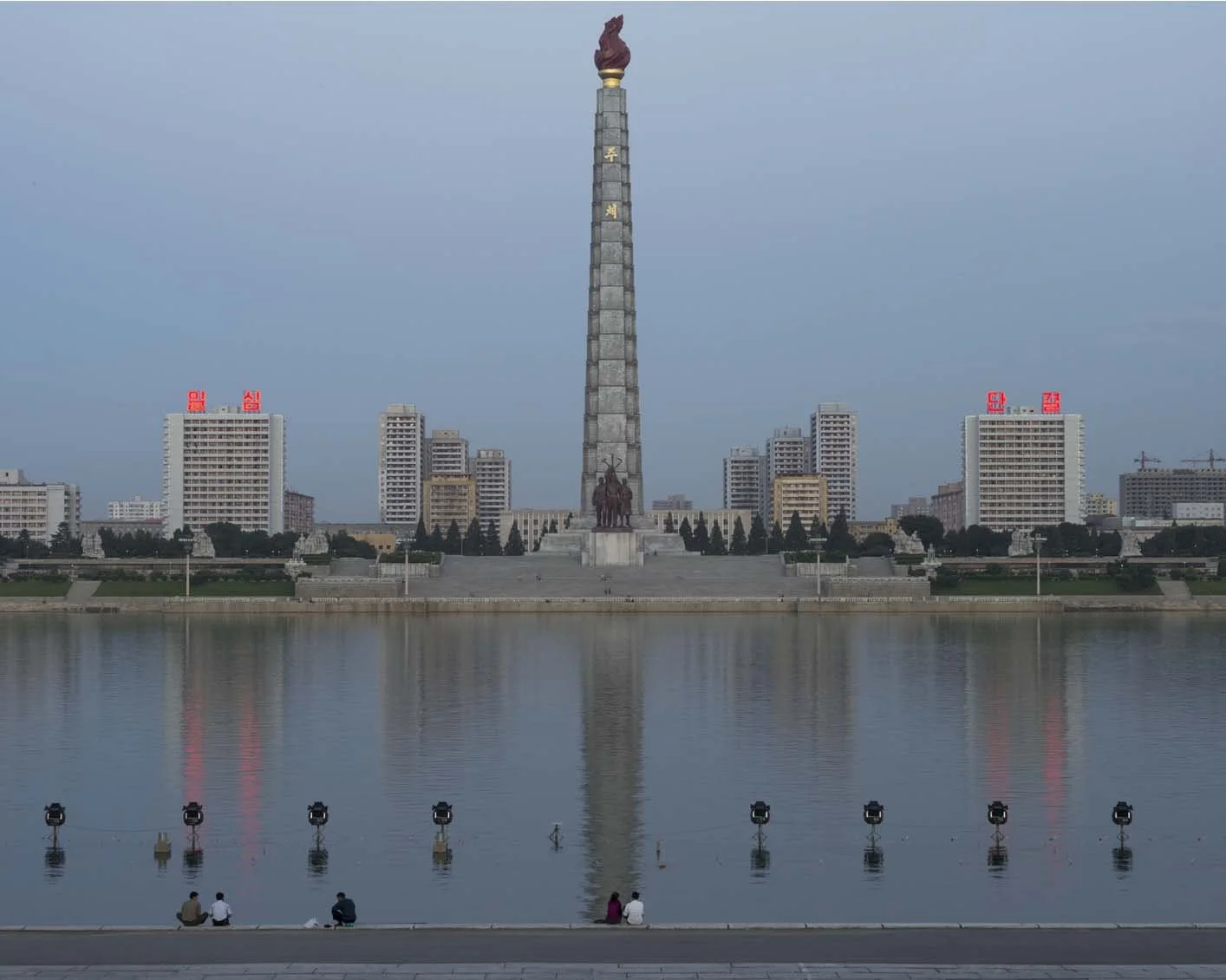
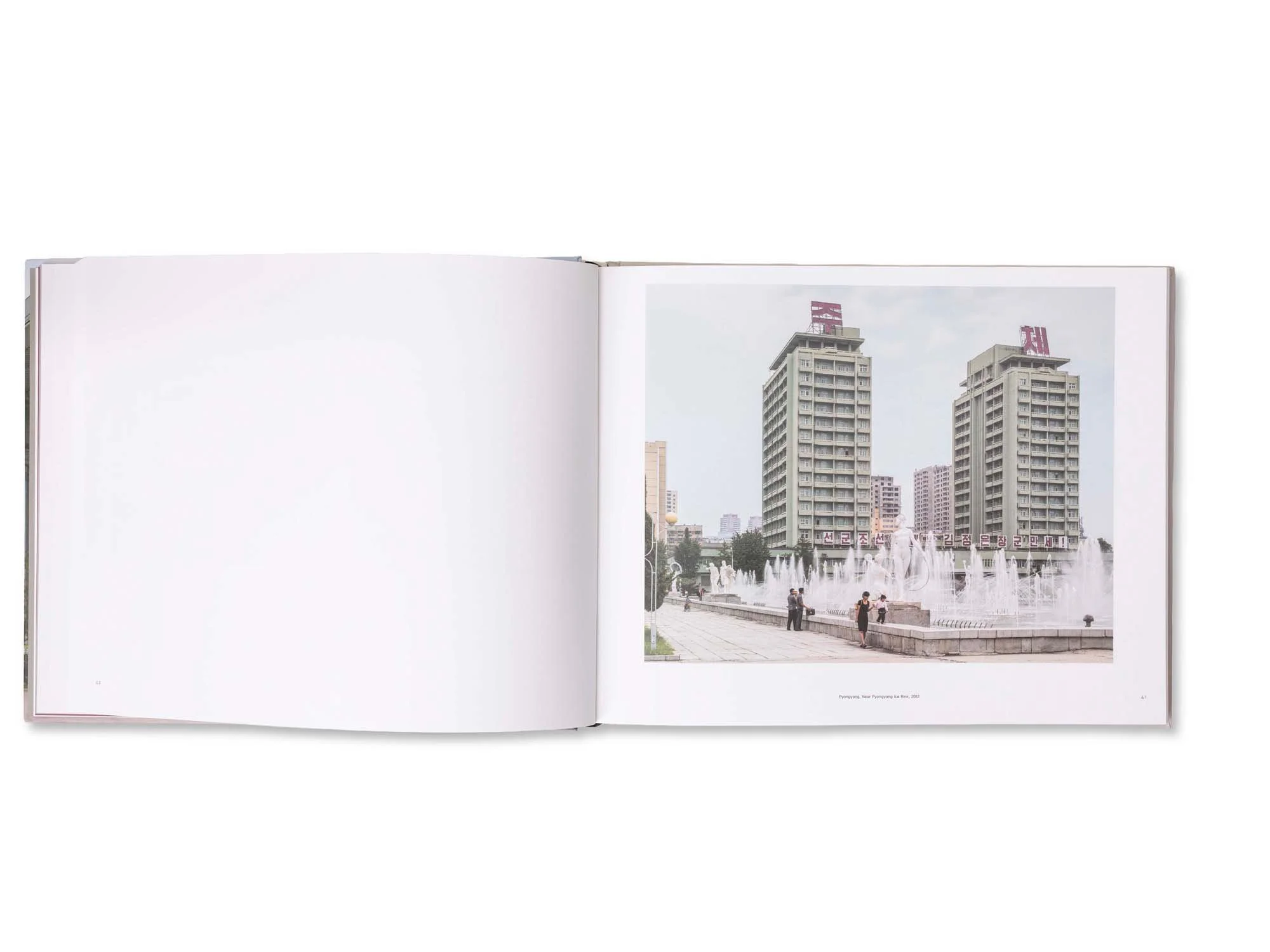
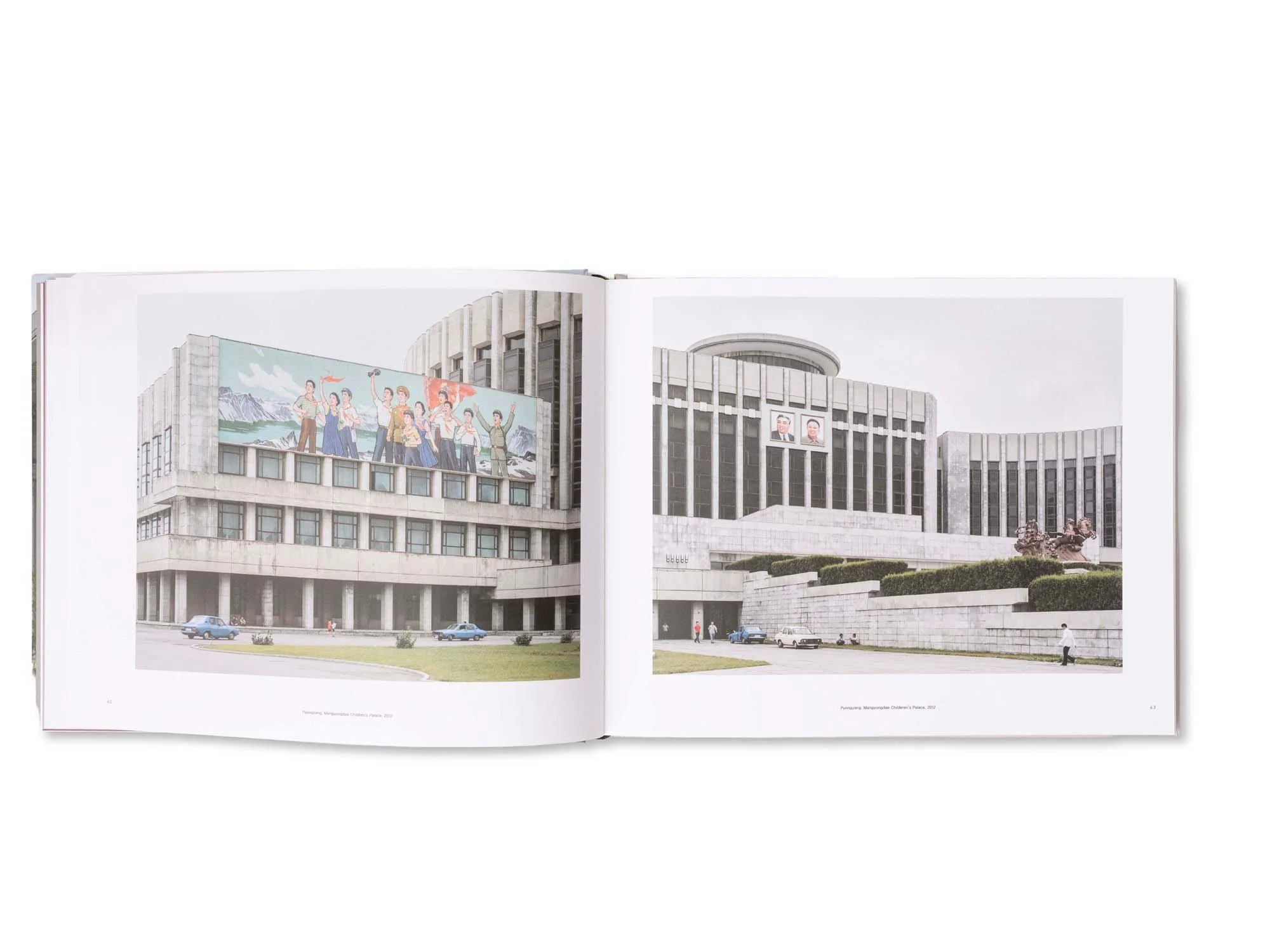
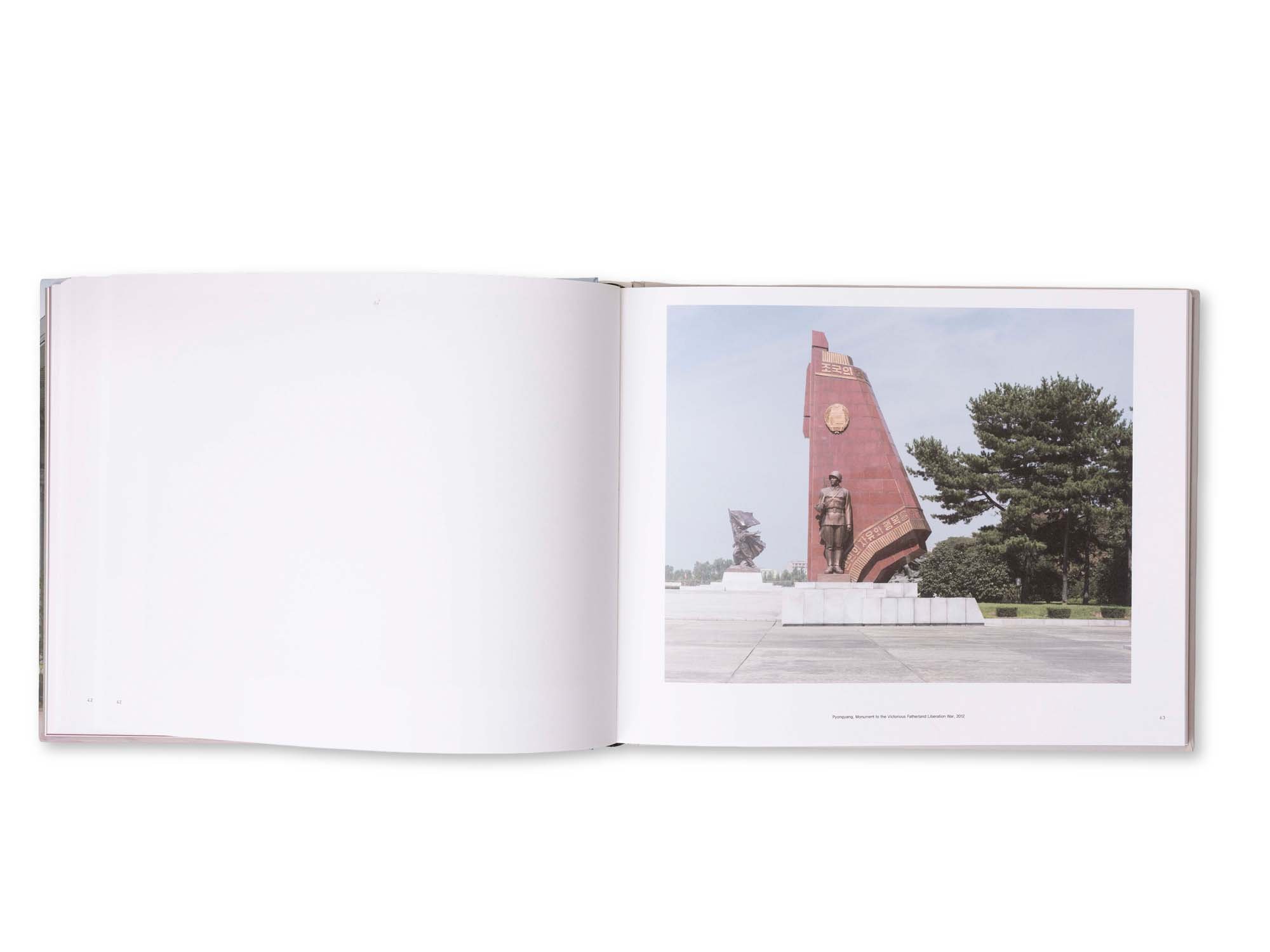
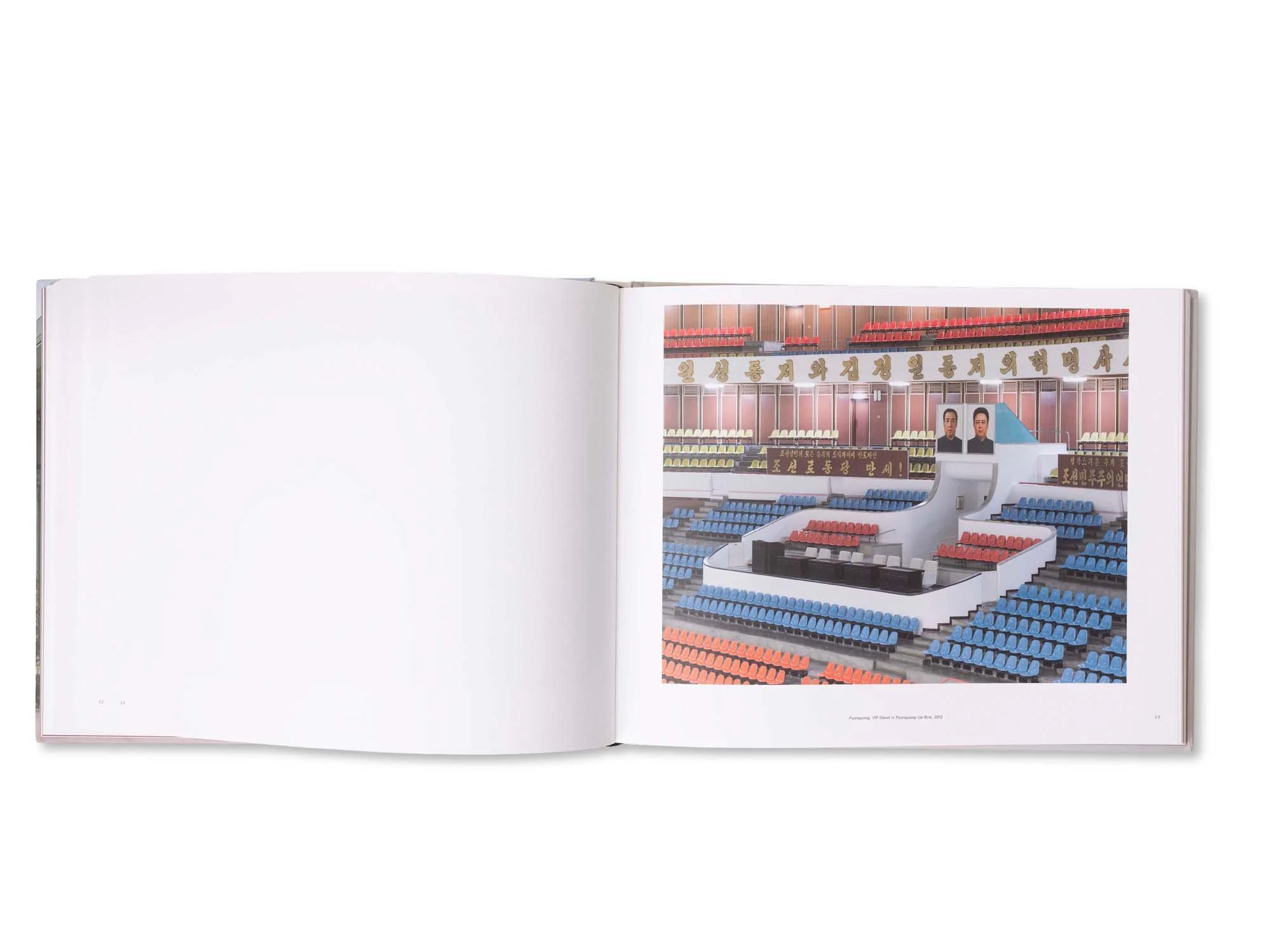
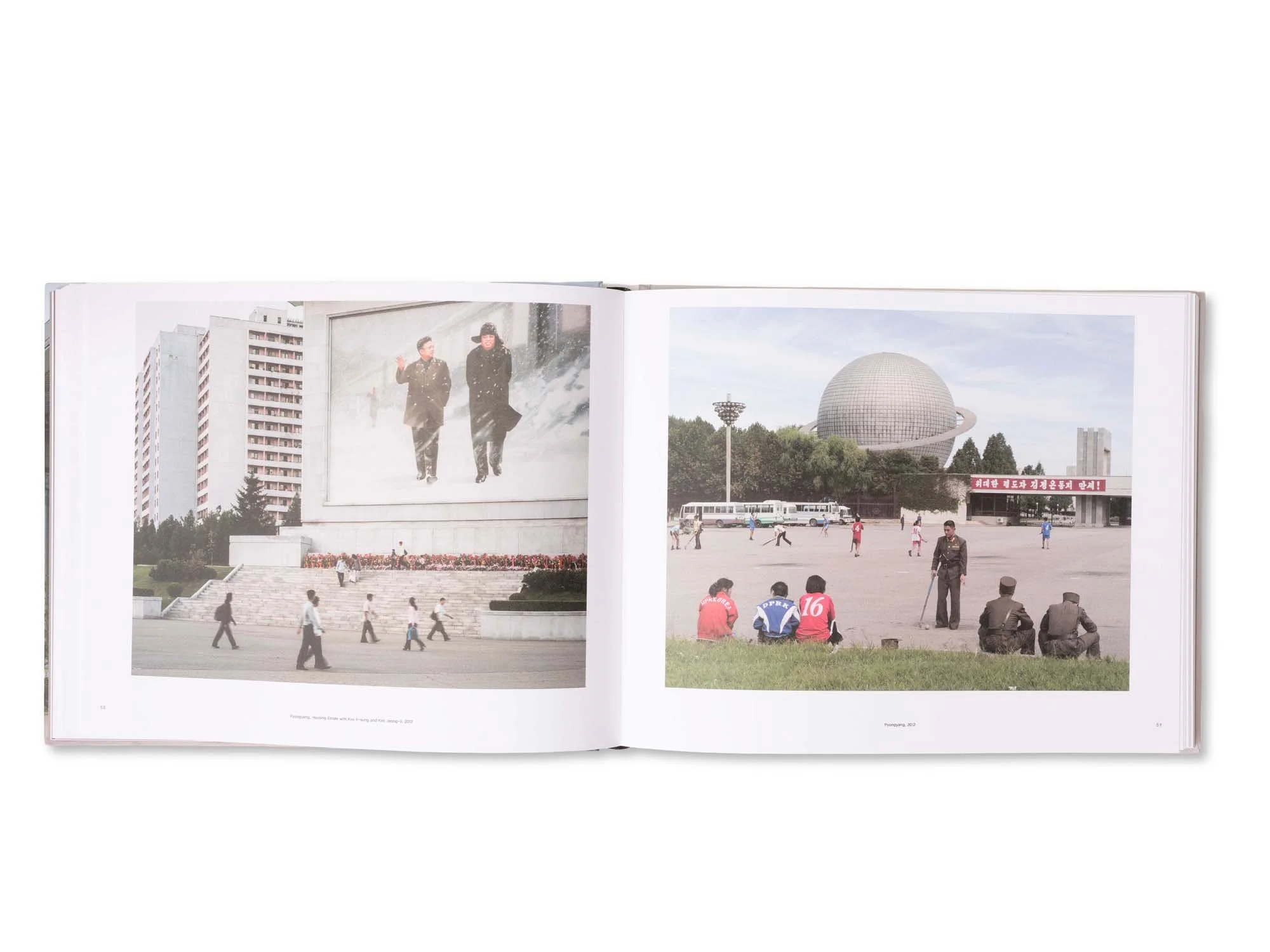
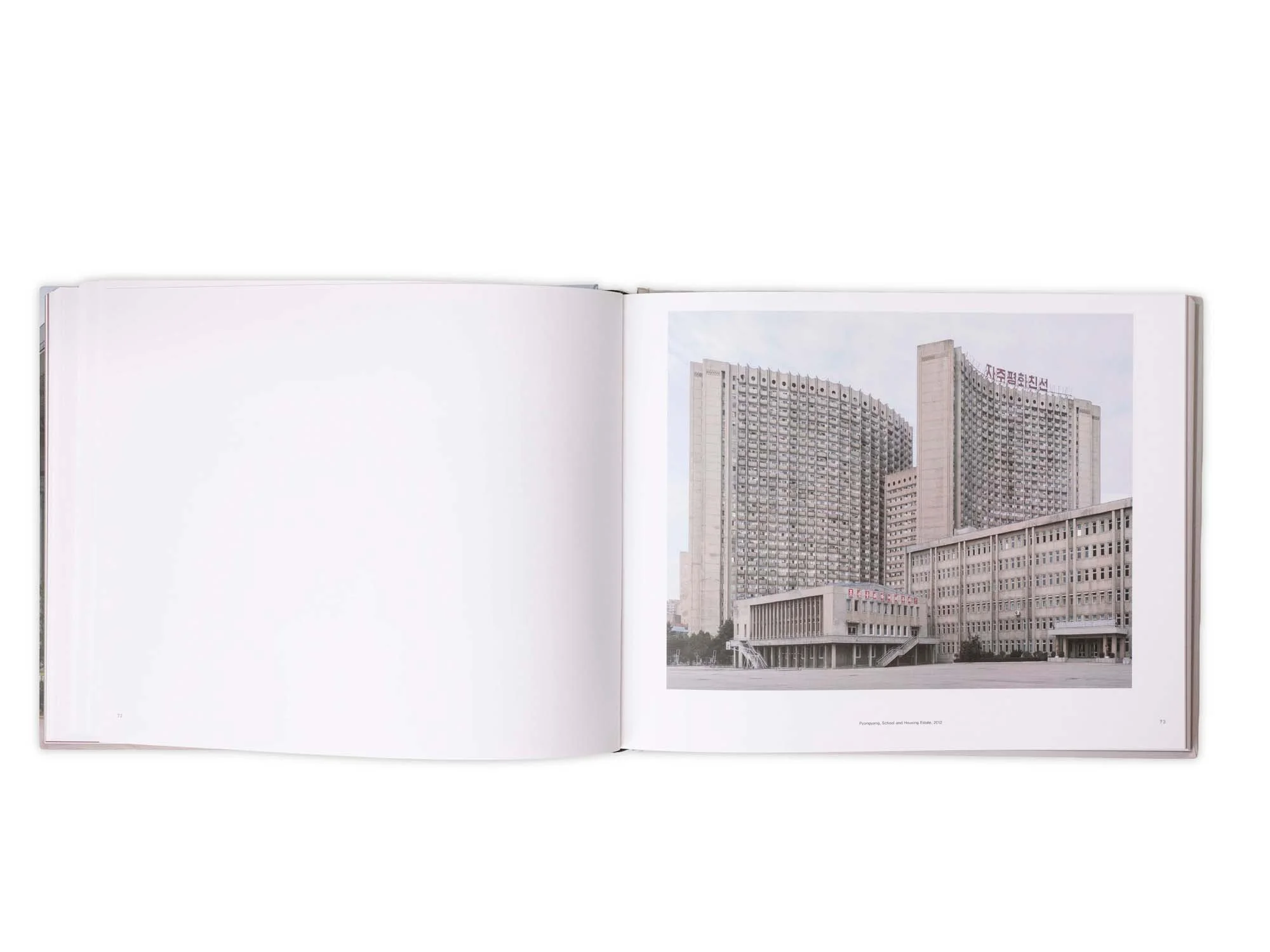
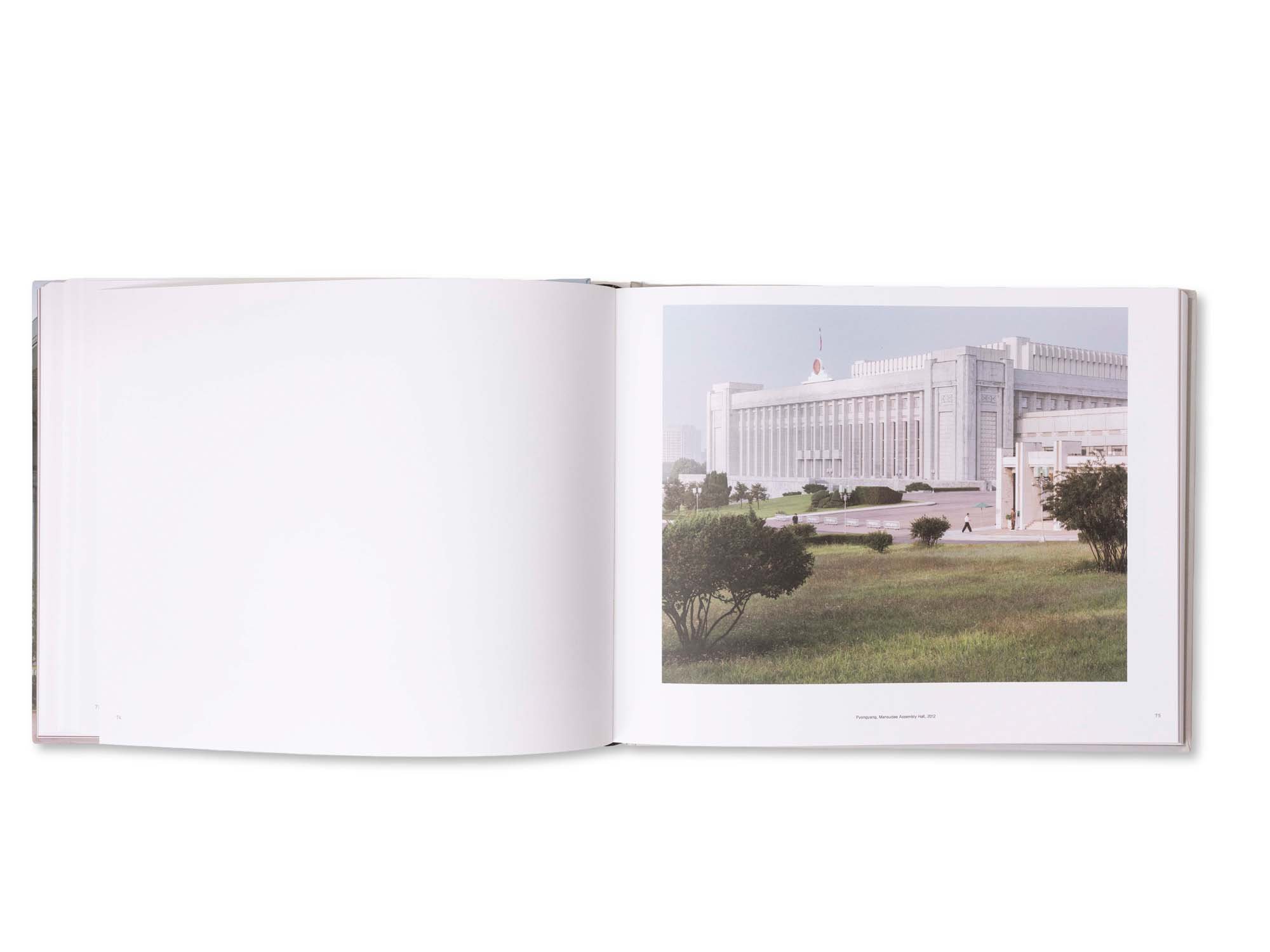
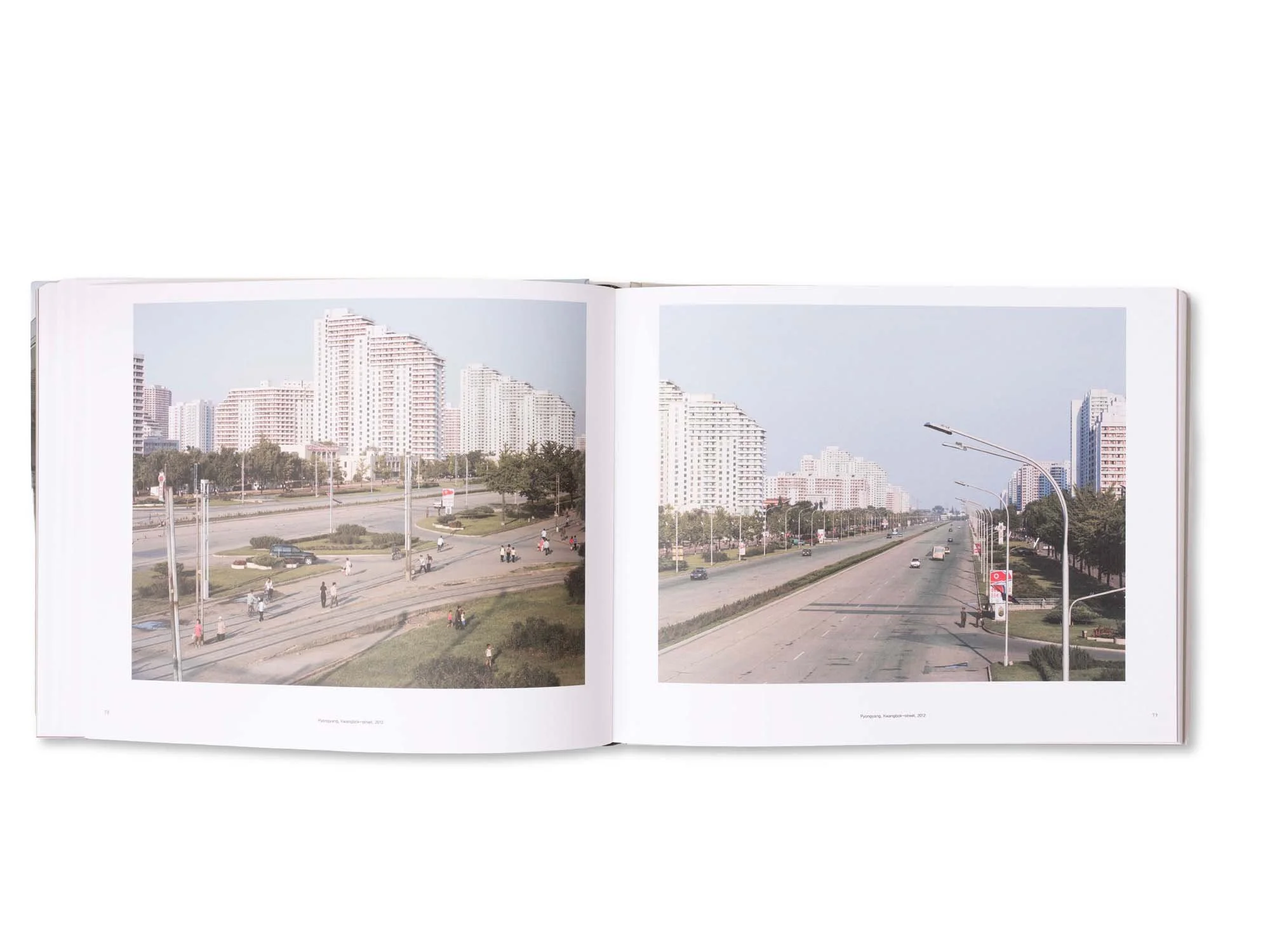
Every architecture bears the aesthetic signature of its era. Pyongyang is a particularly striking example. After the Korean War, the North Korean capital lay almost completely in ruins, offering architects and urban planners the opportunity to create a model socialist city. It is shaped by the ideals of socialist modernism and by the cult of personality surrounding the country's founding leader and his successors. The international isolation of the Democratic People's Republic of Korea led to a prolonged stagnation in construction activity, thereby preserving its socialist architectural heritage. Only in recent years has a construction boom begun, but it has so far done little to alter the cohesive cityscape of Pyongyang's postwar modernism.
Jede Architektur trägt die ästhetische Signatur ihrer Epoche. Pjöngjang ist dafür ein besonders eindrucksvolles Beispiel. Nach dem Koreakrieg war die nordkoreanische Hauptstadt nahezu vollständig zerstört und bot Architekten sowie Stadtplanern die Möglichkeit, eine sozialistische Musterstadt zu errichten: Sie ist geprägt vom Leitbild der sozialistischen Moderne und vom Personenkult um den Staatsgründer und seine Nachfolger. Die internationale Isolation der Demokratischen Volksrepublik Korea führte zu einer Stagnation der Bautätigkeit und damit zu einer Konservierung ihrer sozialistischen Baukultur. Erst in den vergangenen Jahren setzte ein Bauboom ein, der dam geschlossene Stadtbild der Nachkriegsmoderne Pjöngjangs bislang kaum etwas anhaben konnte.

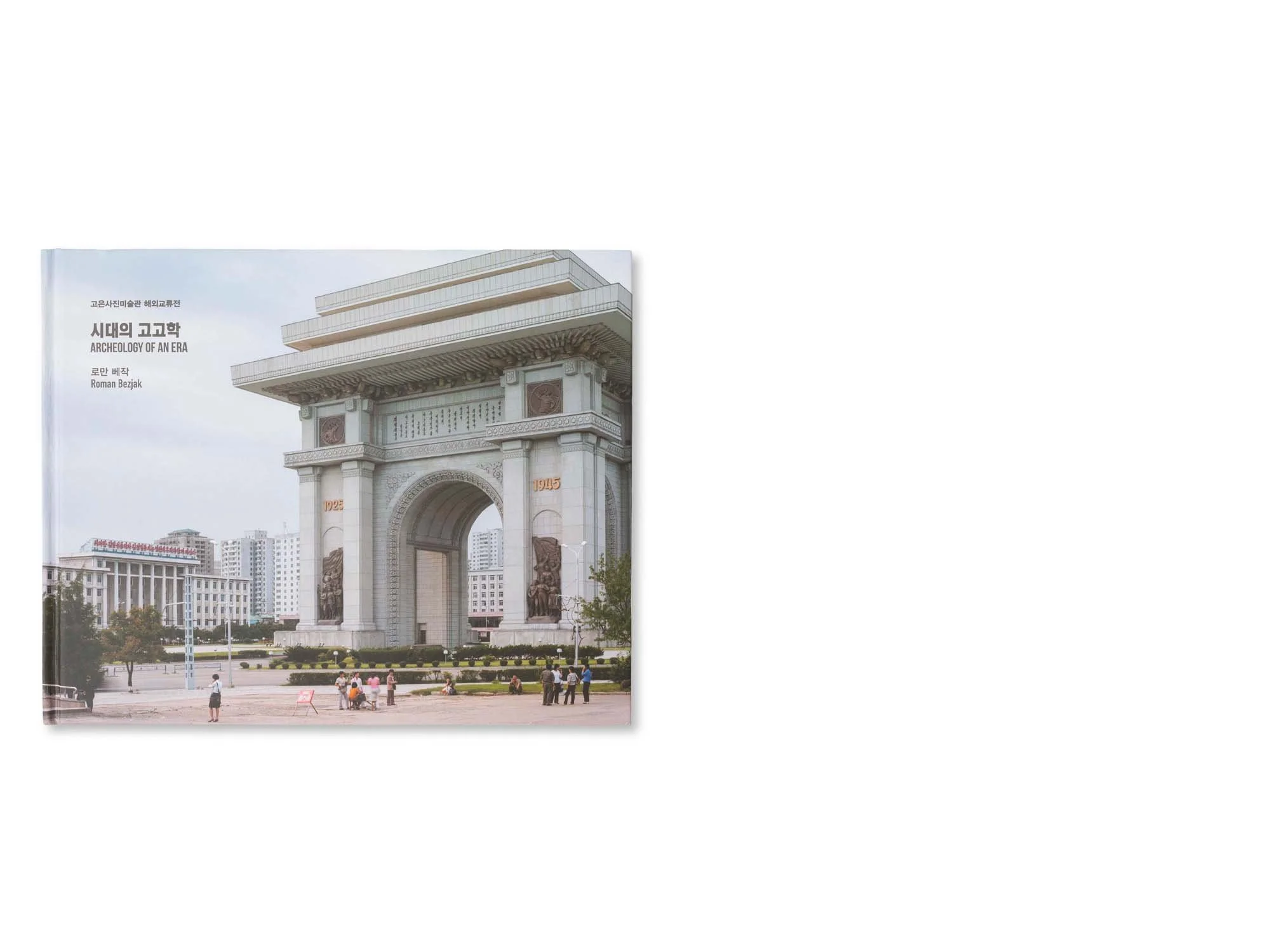
Archeology of an Era
Editor: Hong-Goo Kang
Senior Curator: Mi-Jung Lee
Design: Ji-Young Kim
GoEun Museum of Photography, Busan, Korea, 2019