SKOPJE / 2018
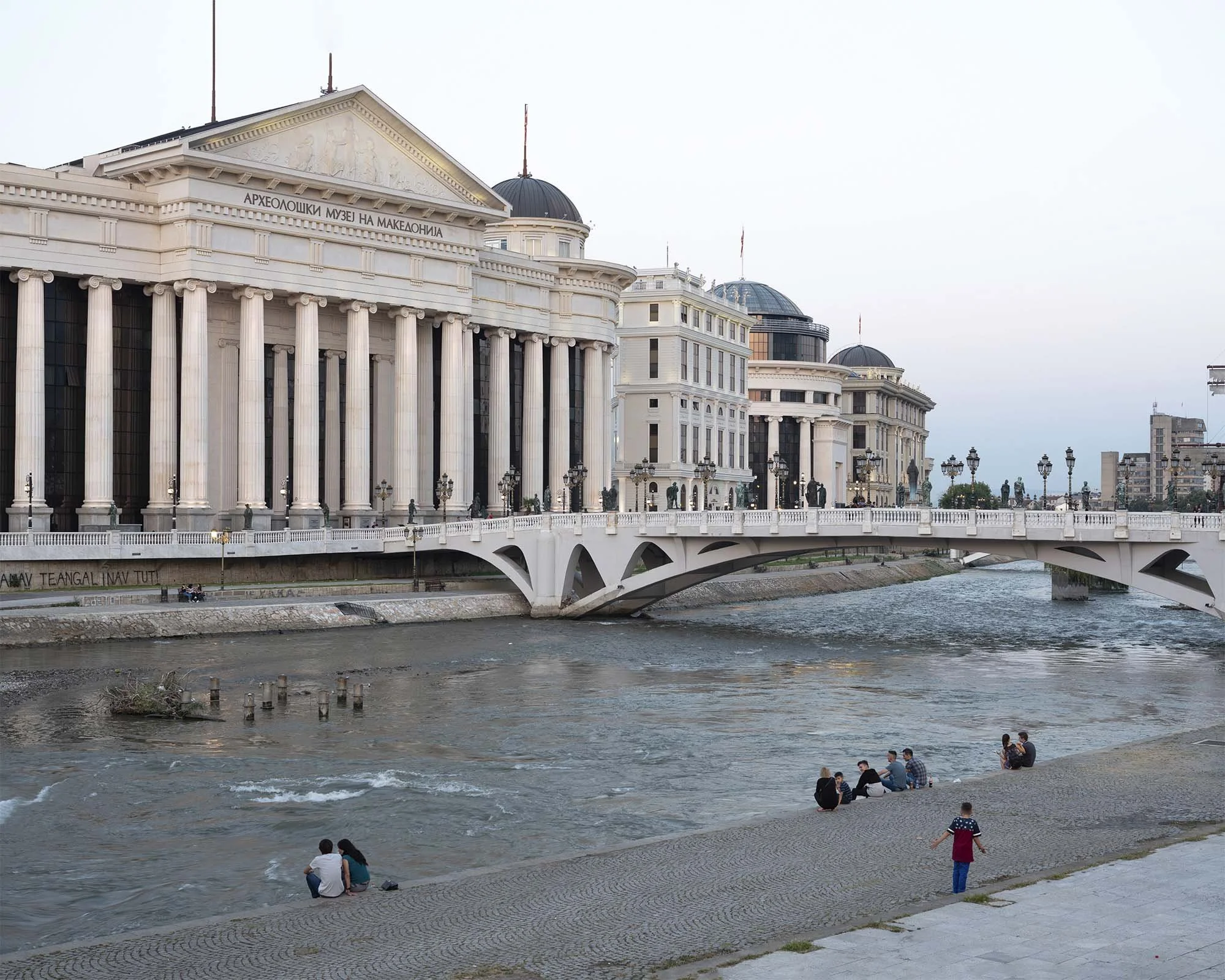
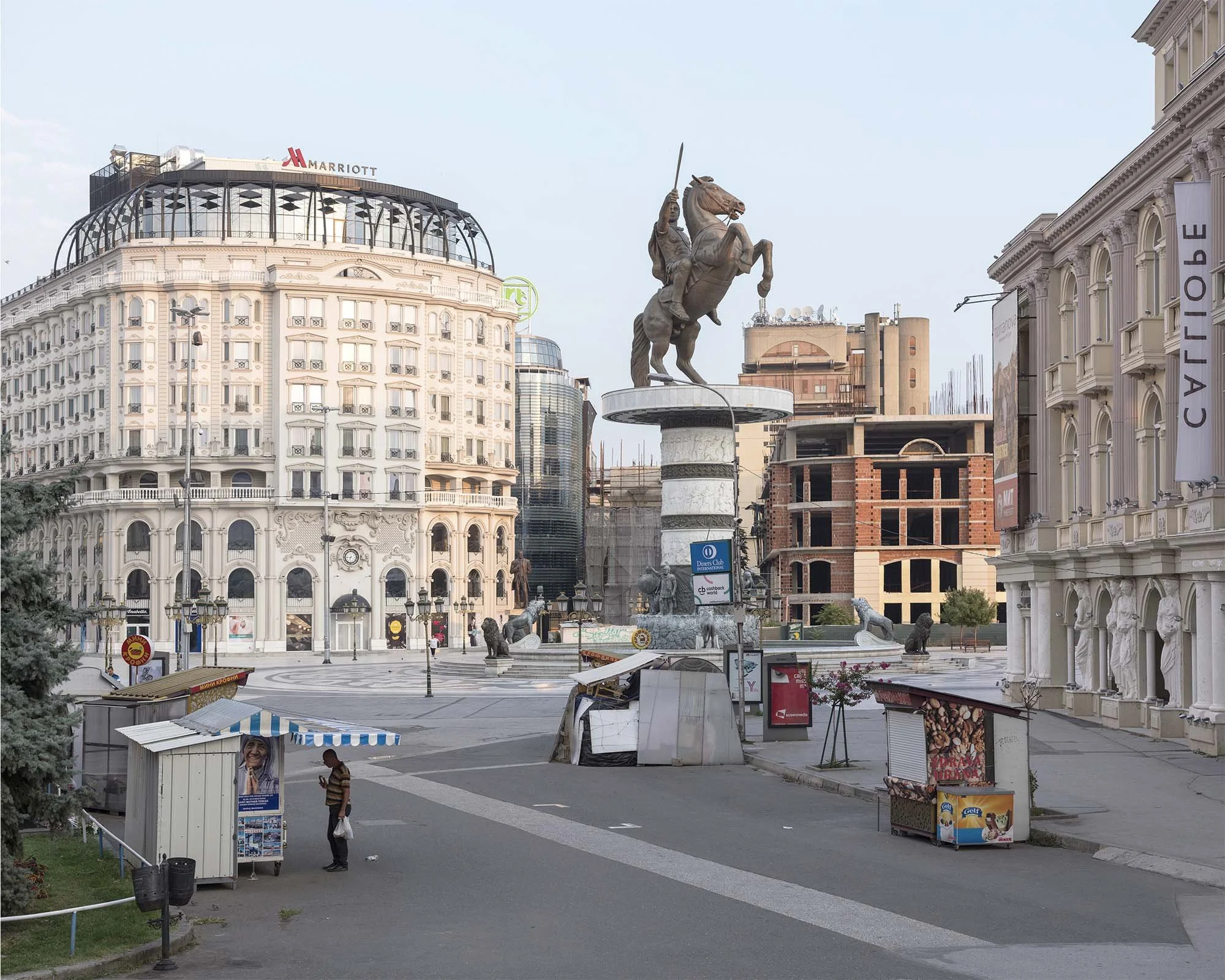
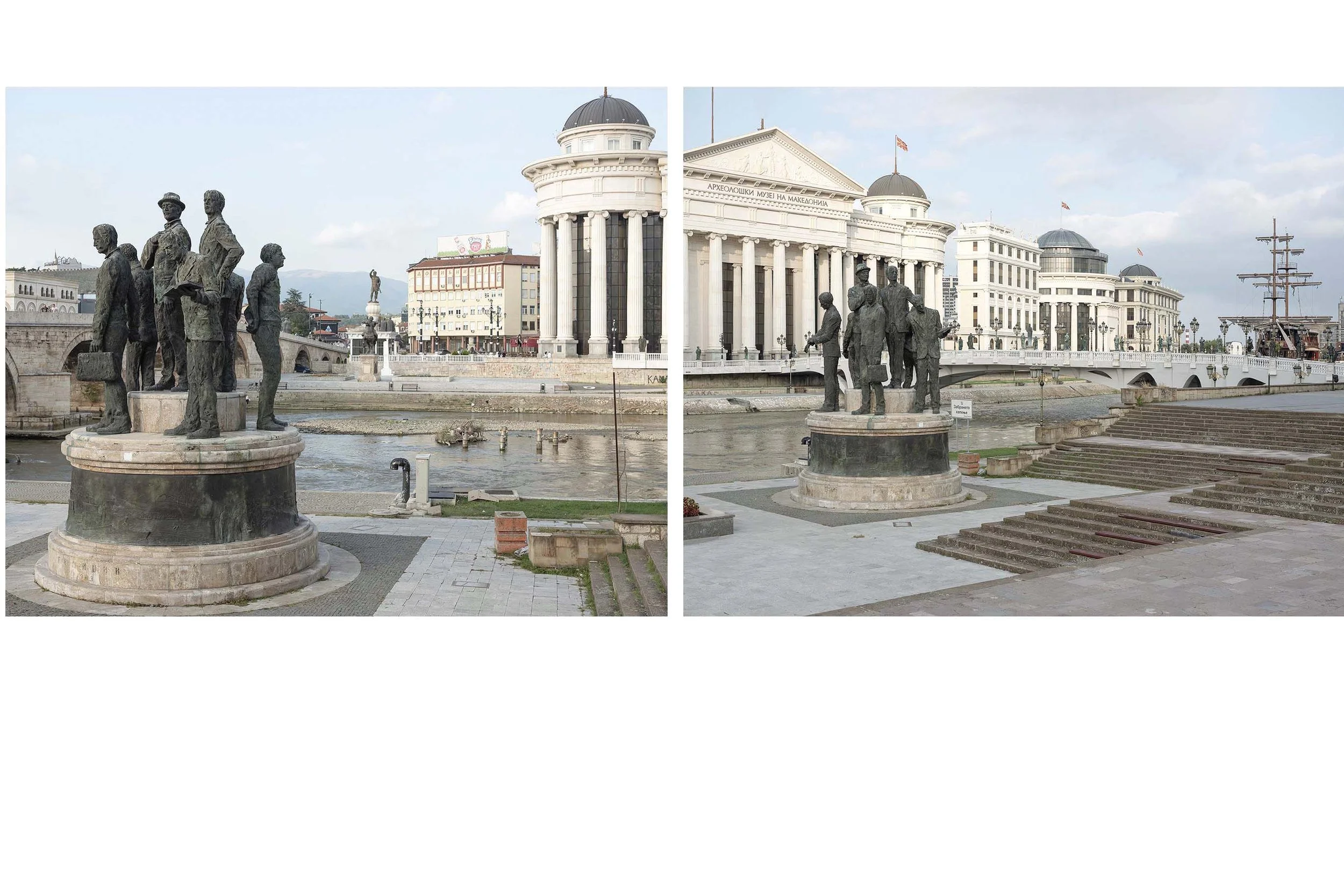
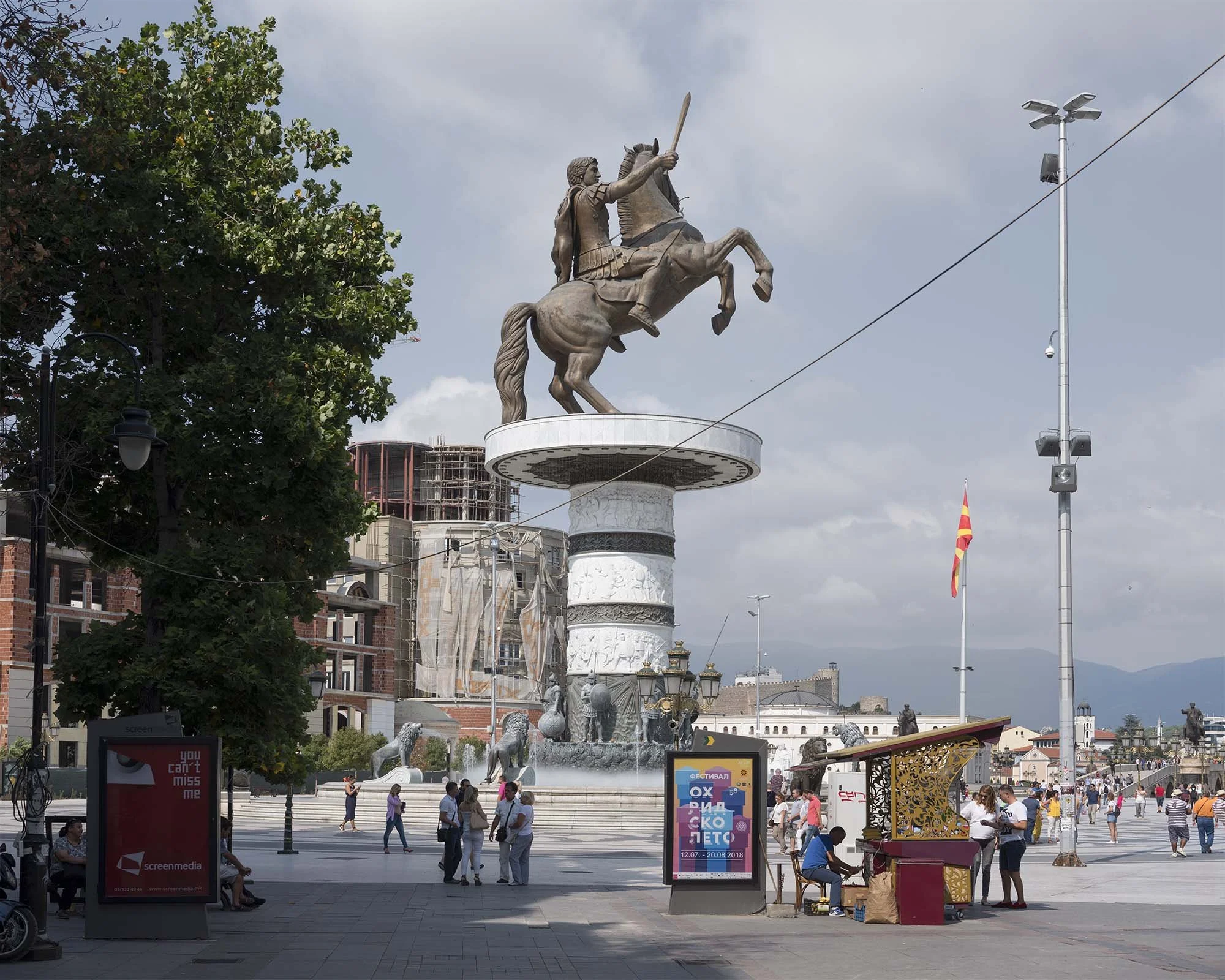
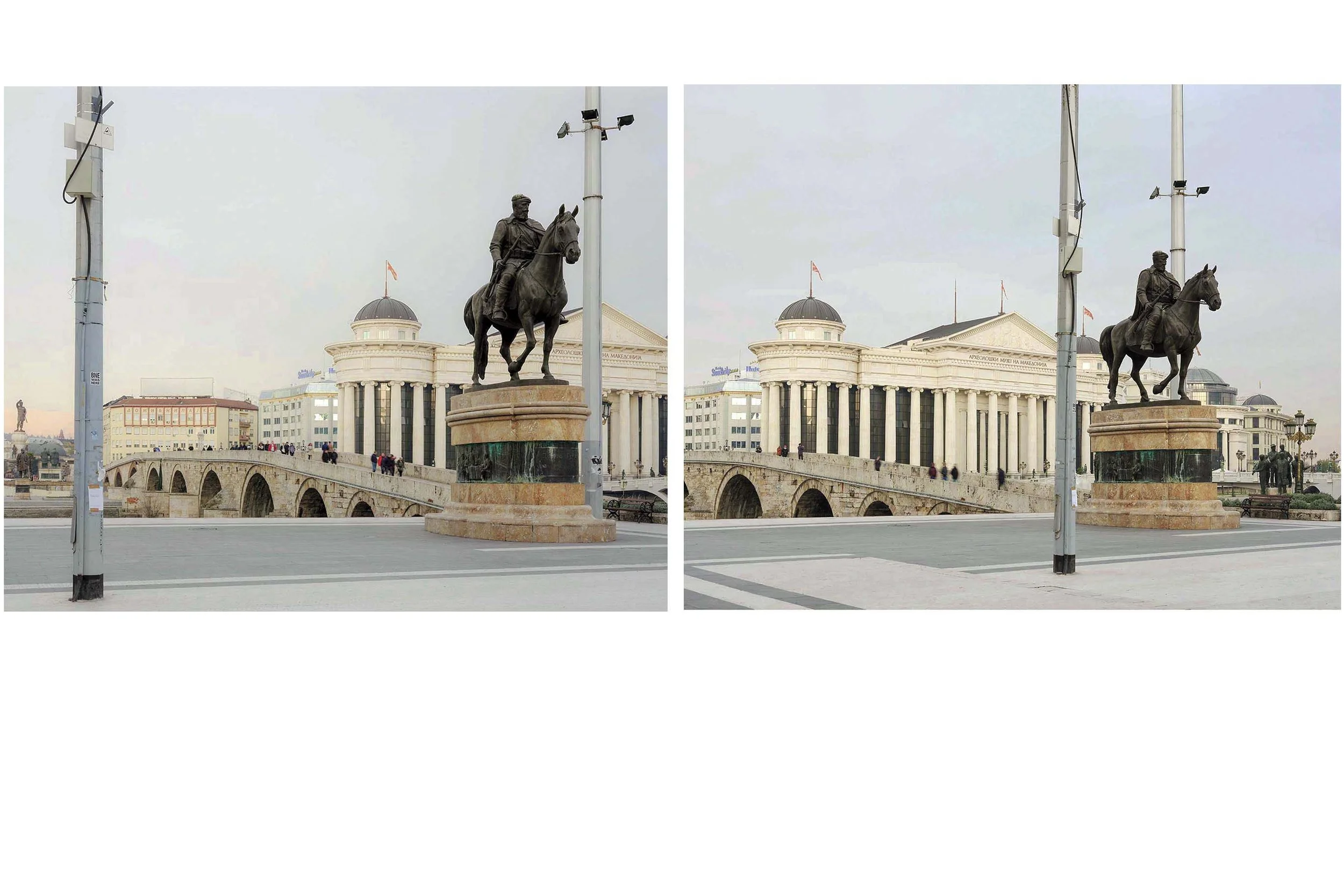
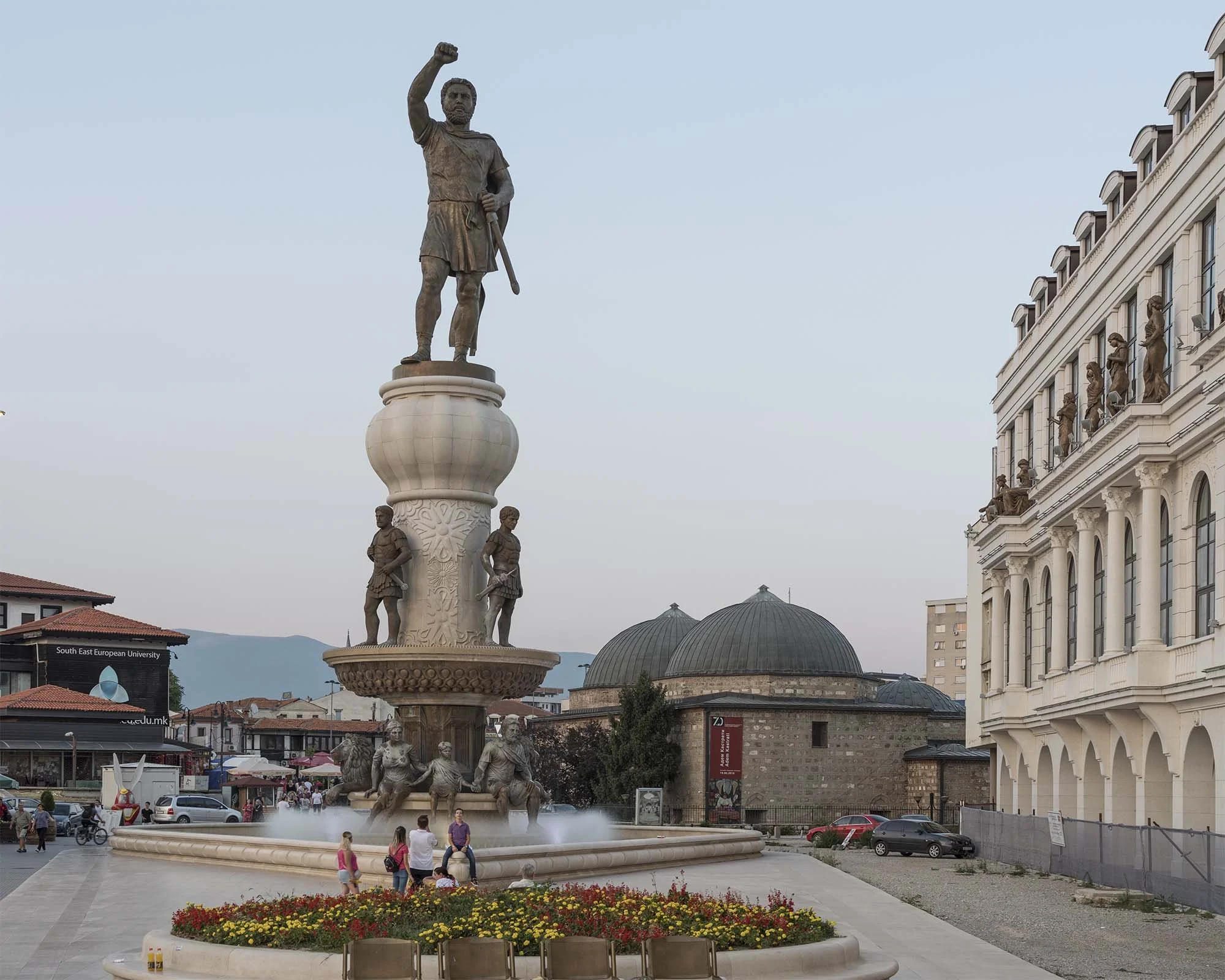
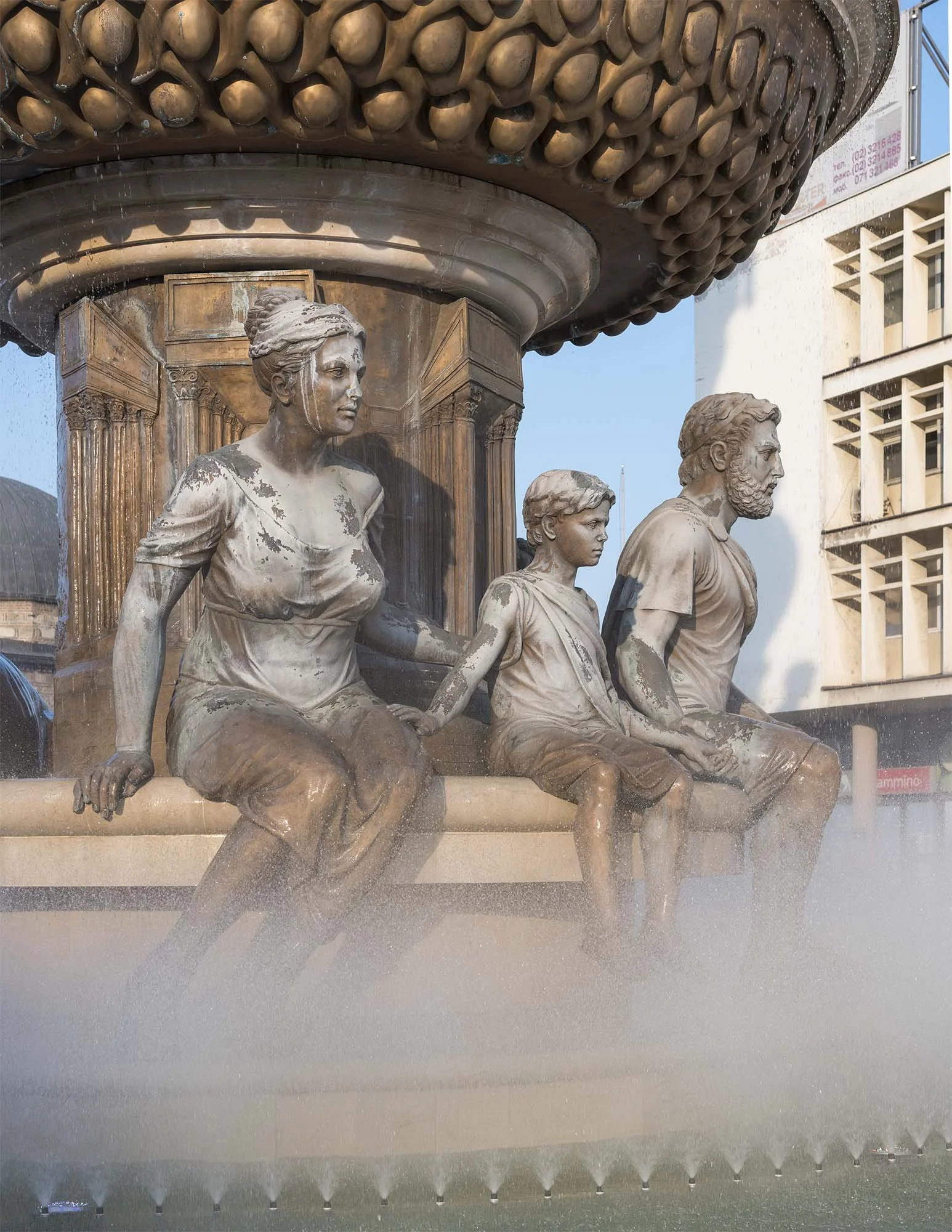
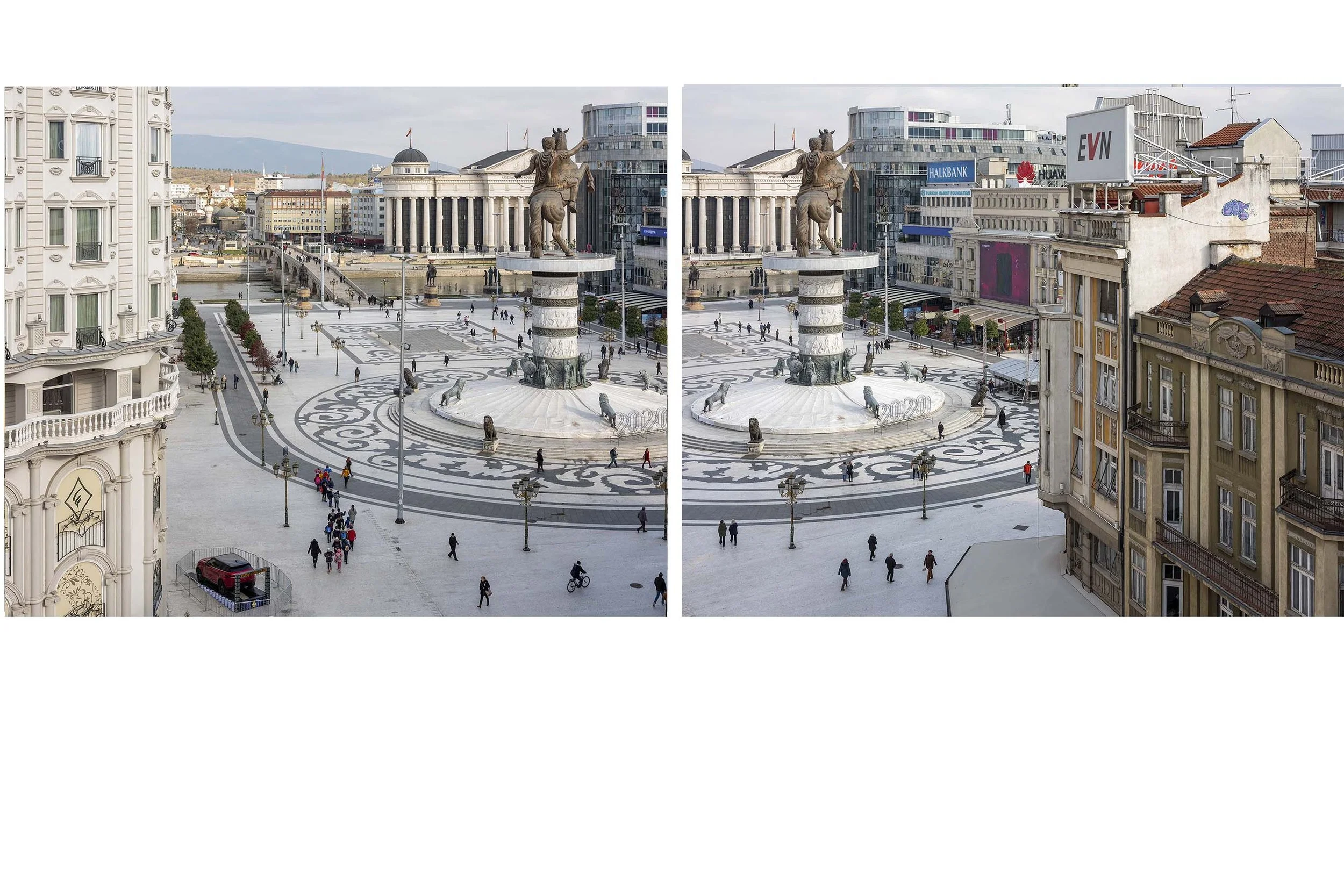
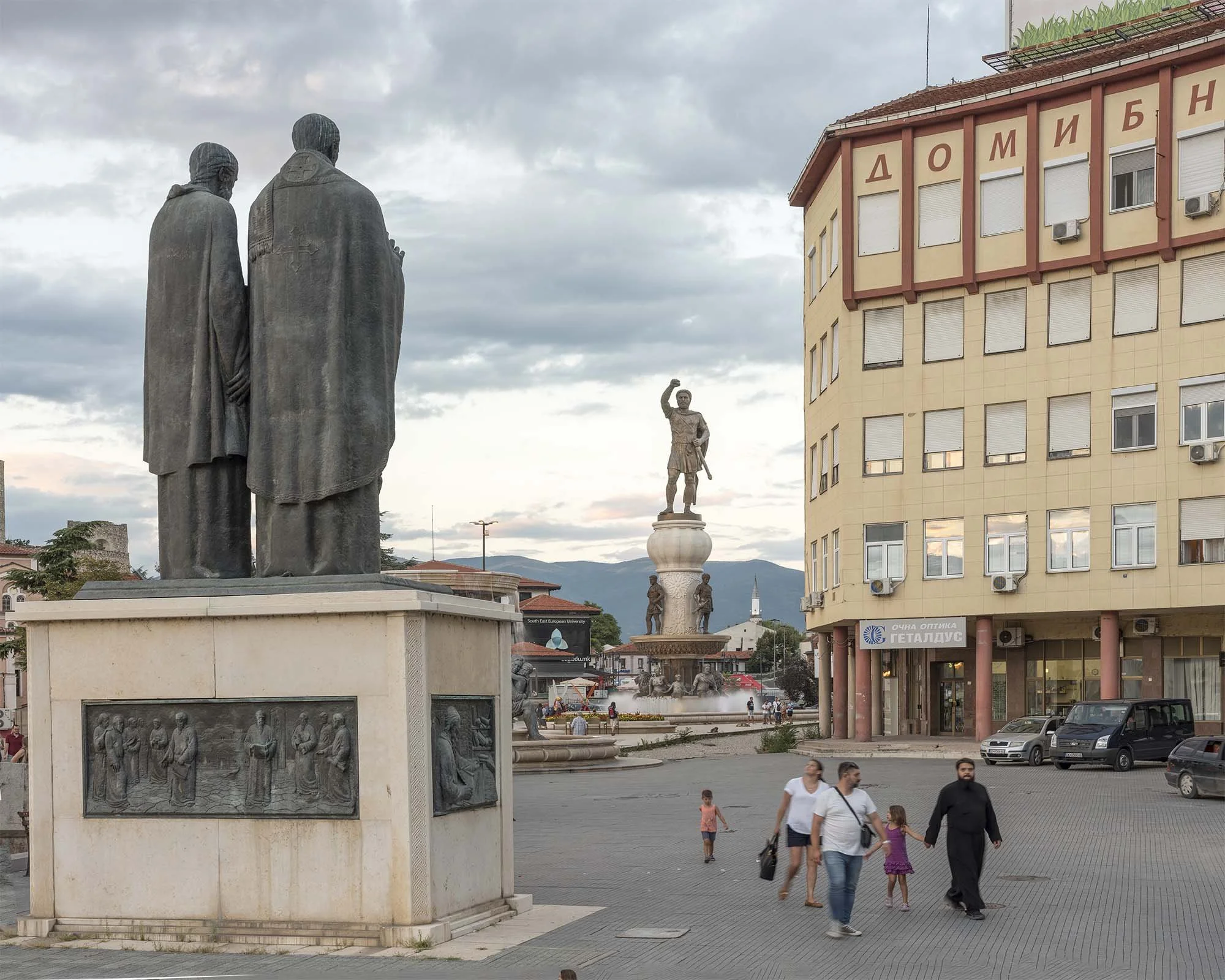
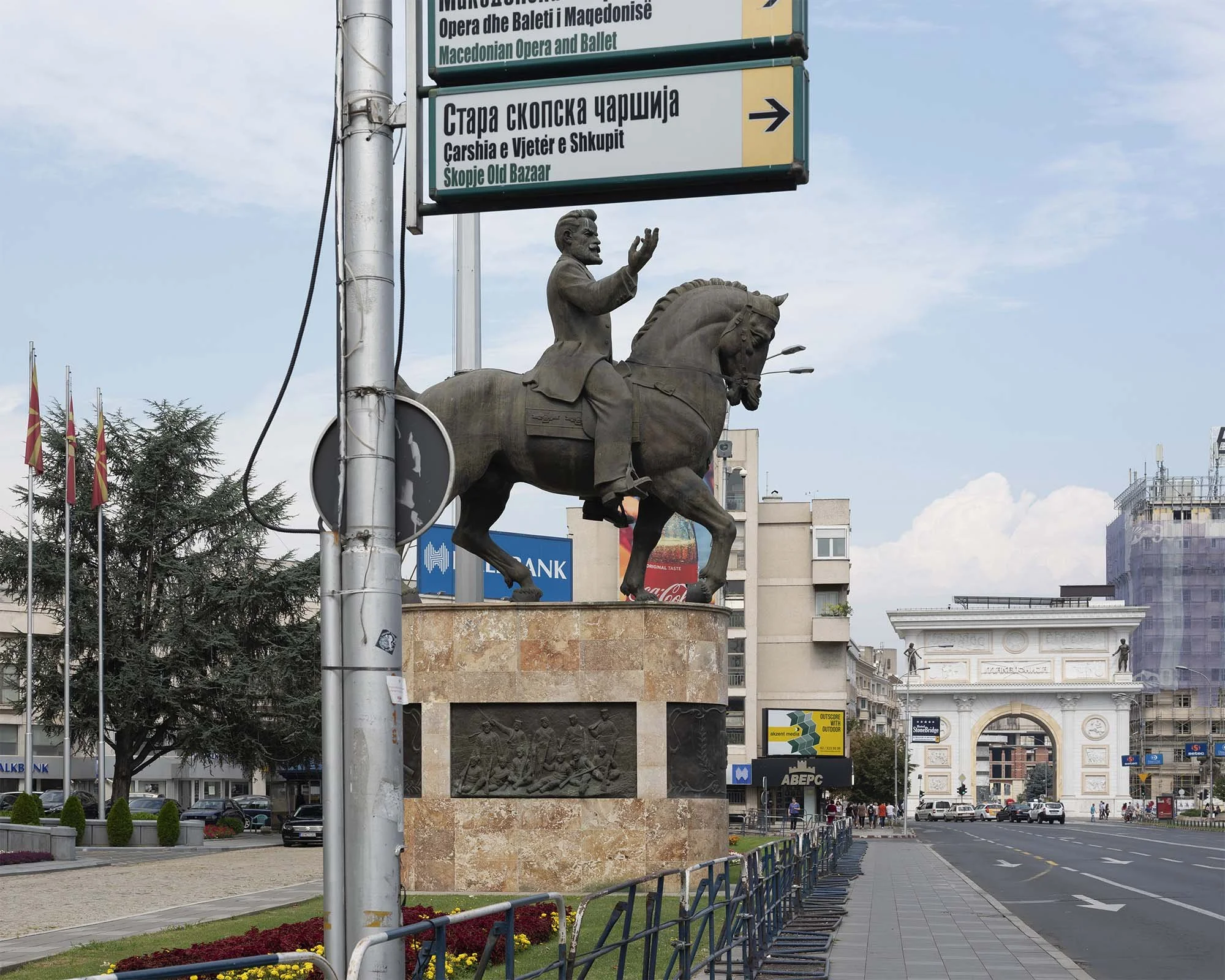
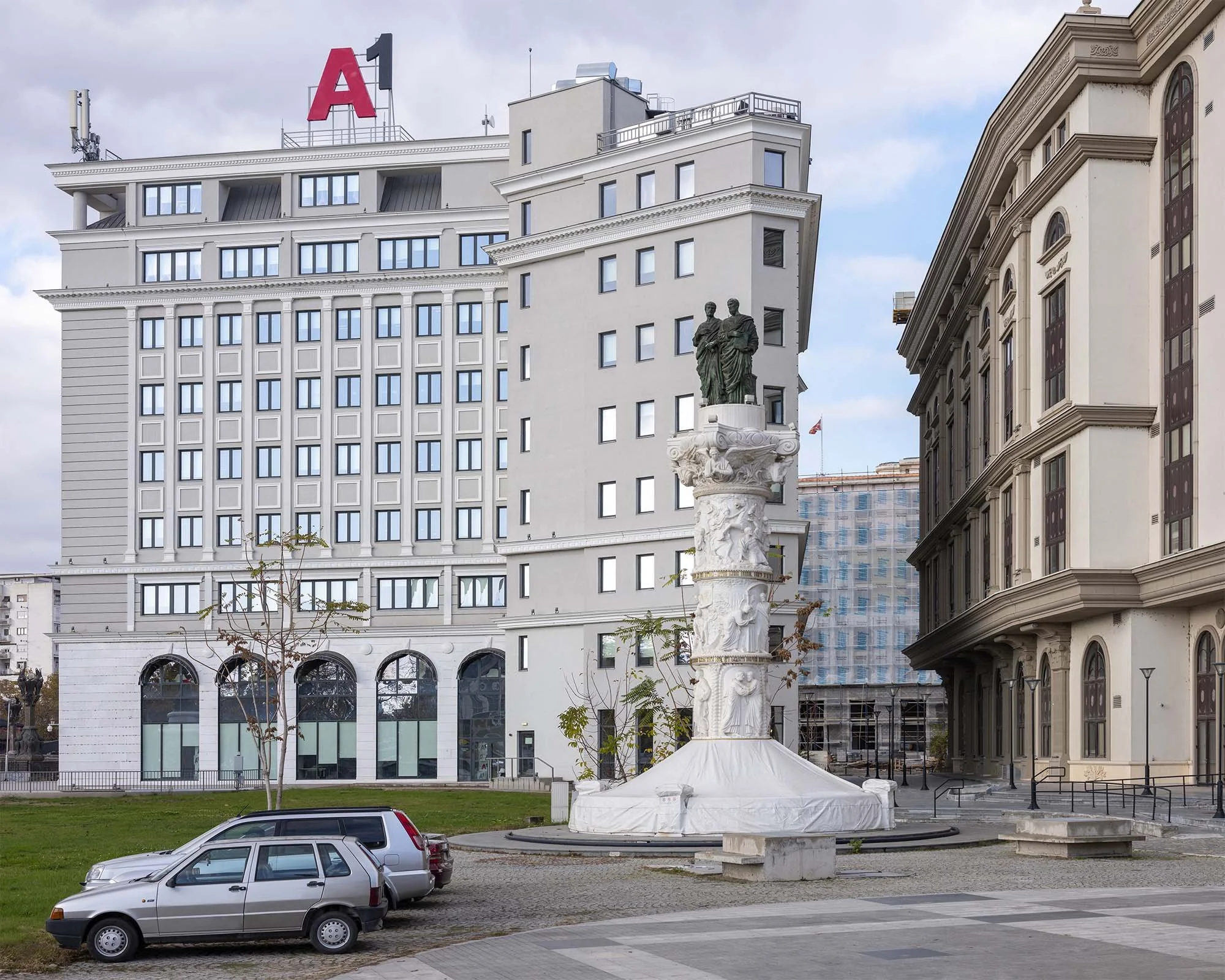
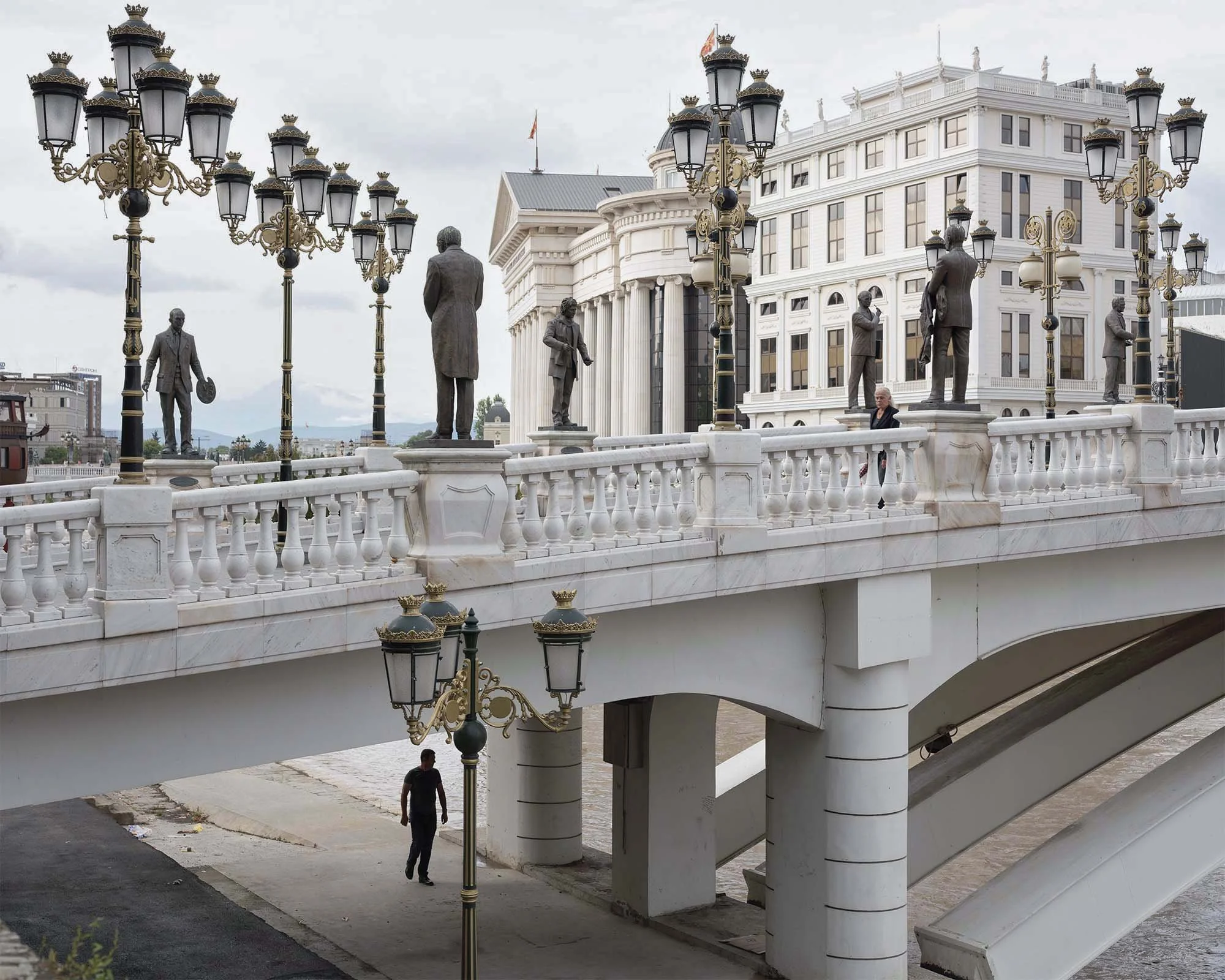
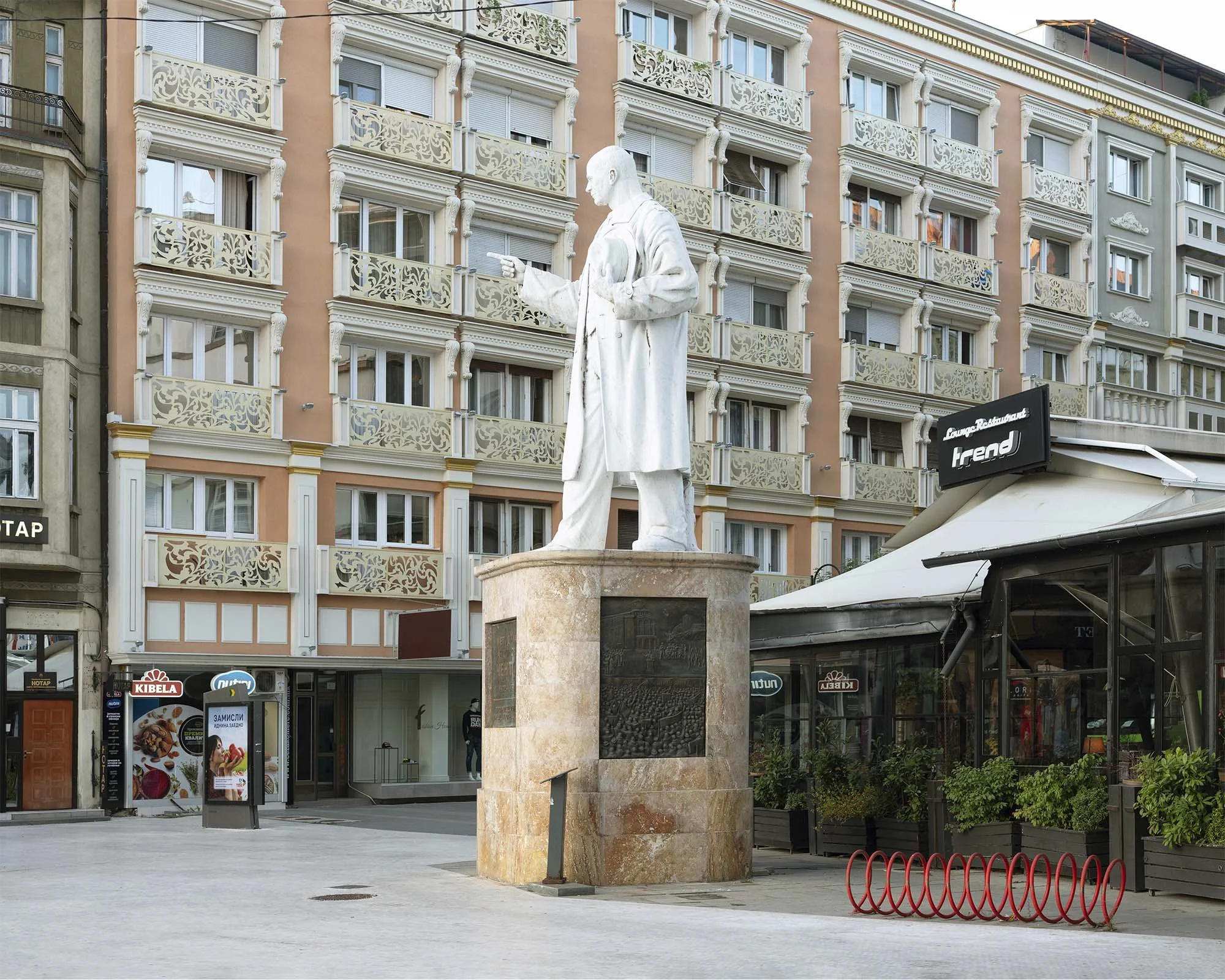
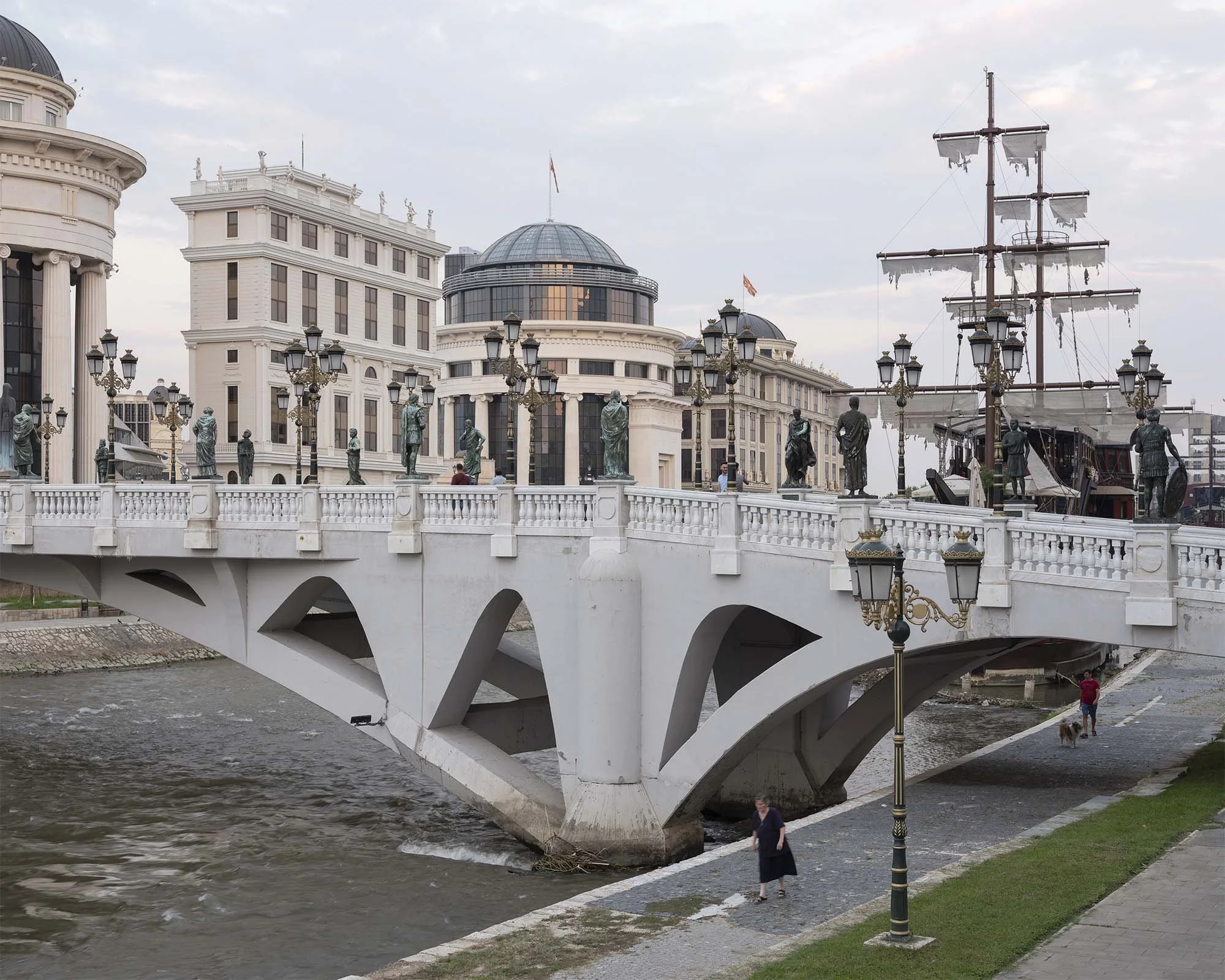
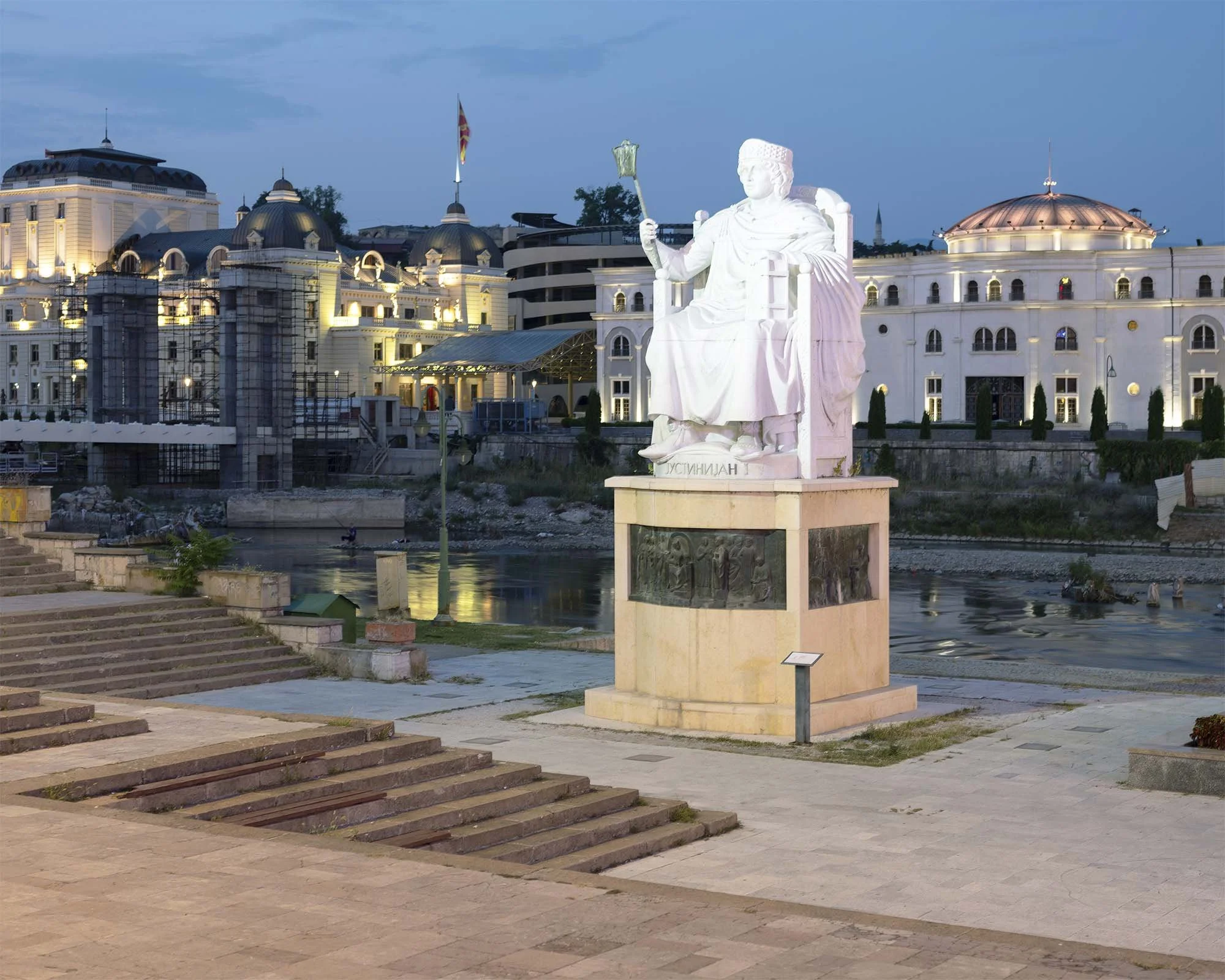
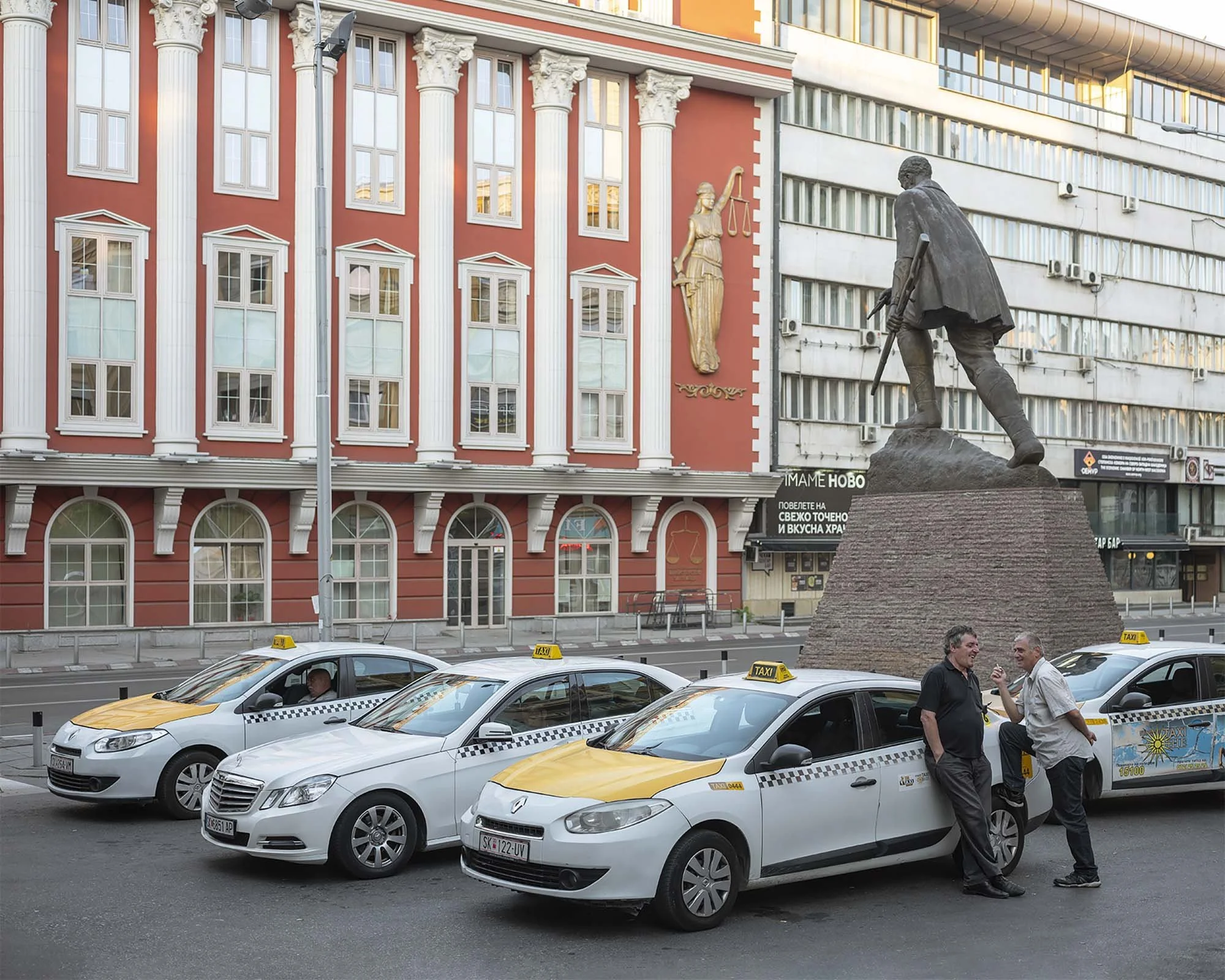
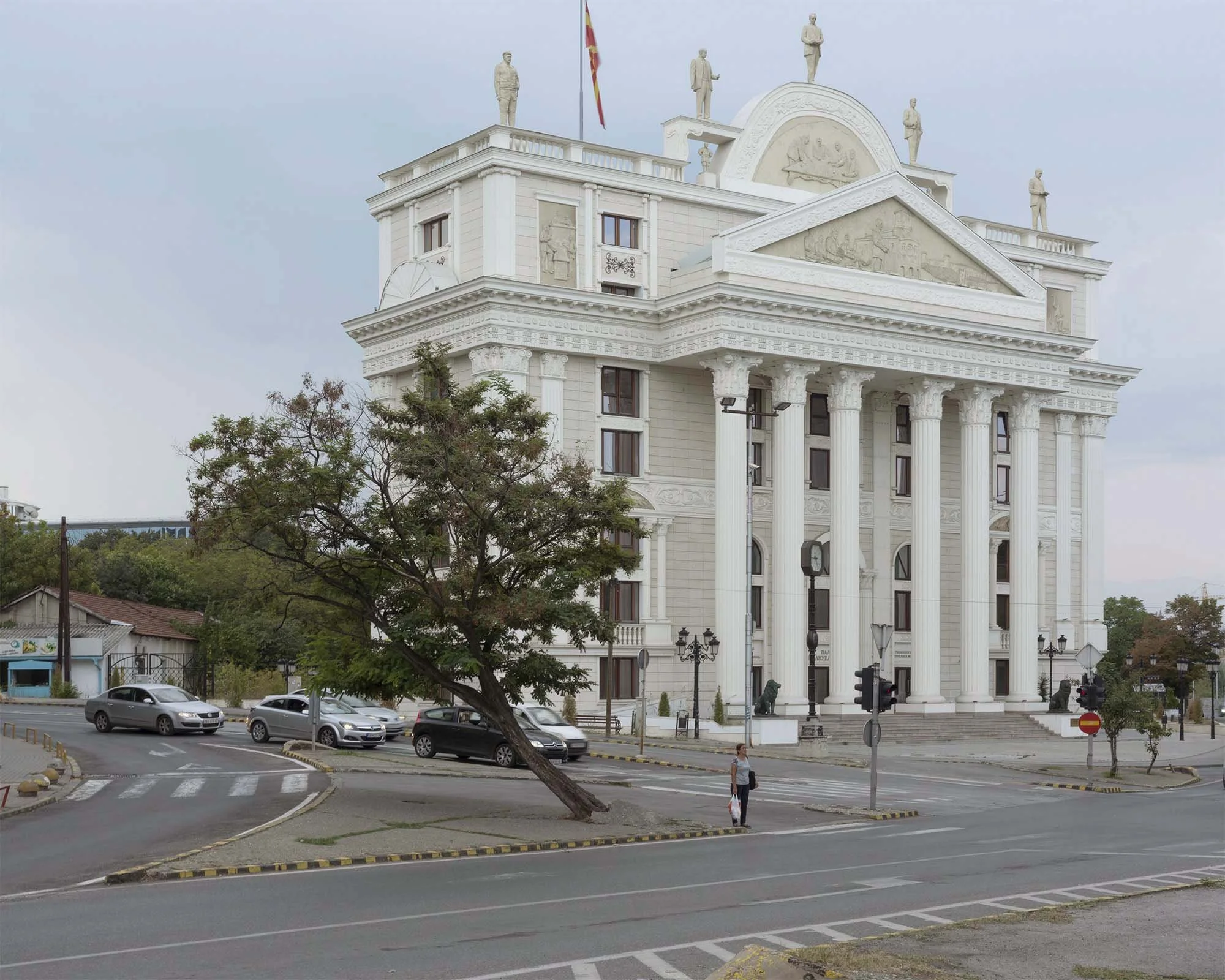
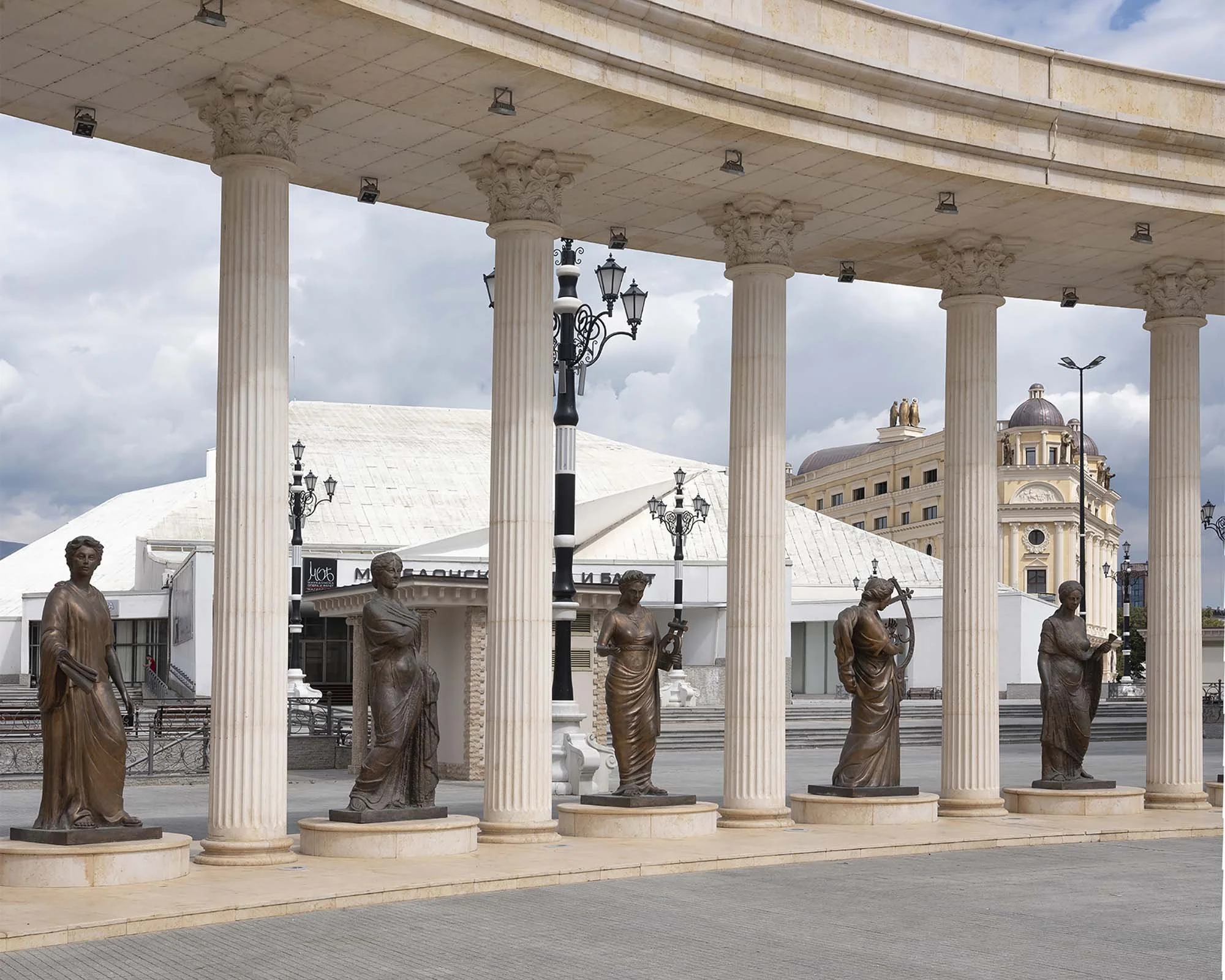
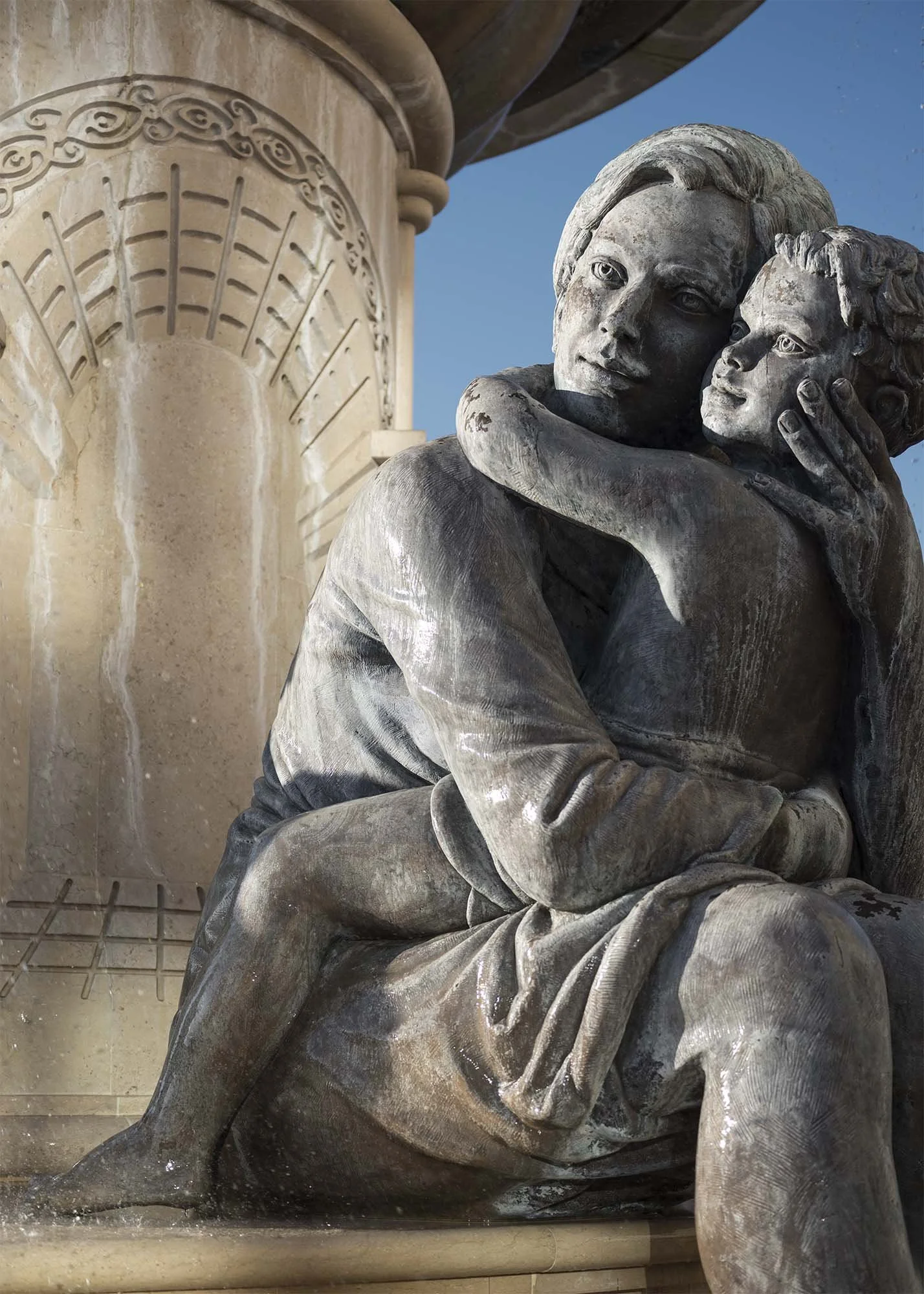
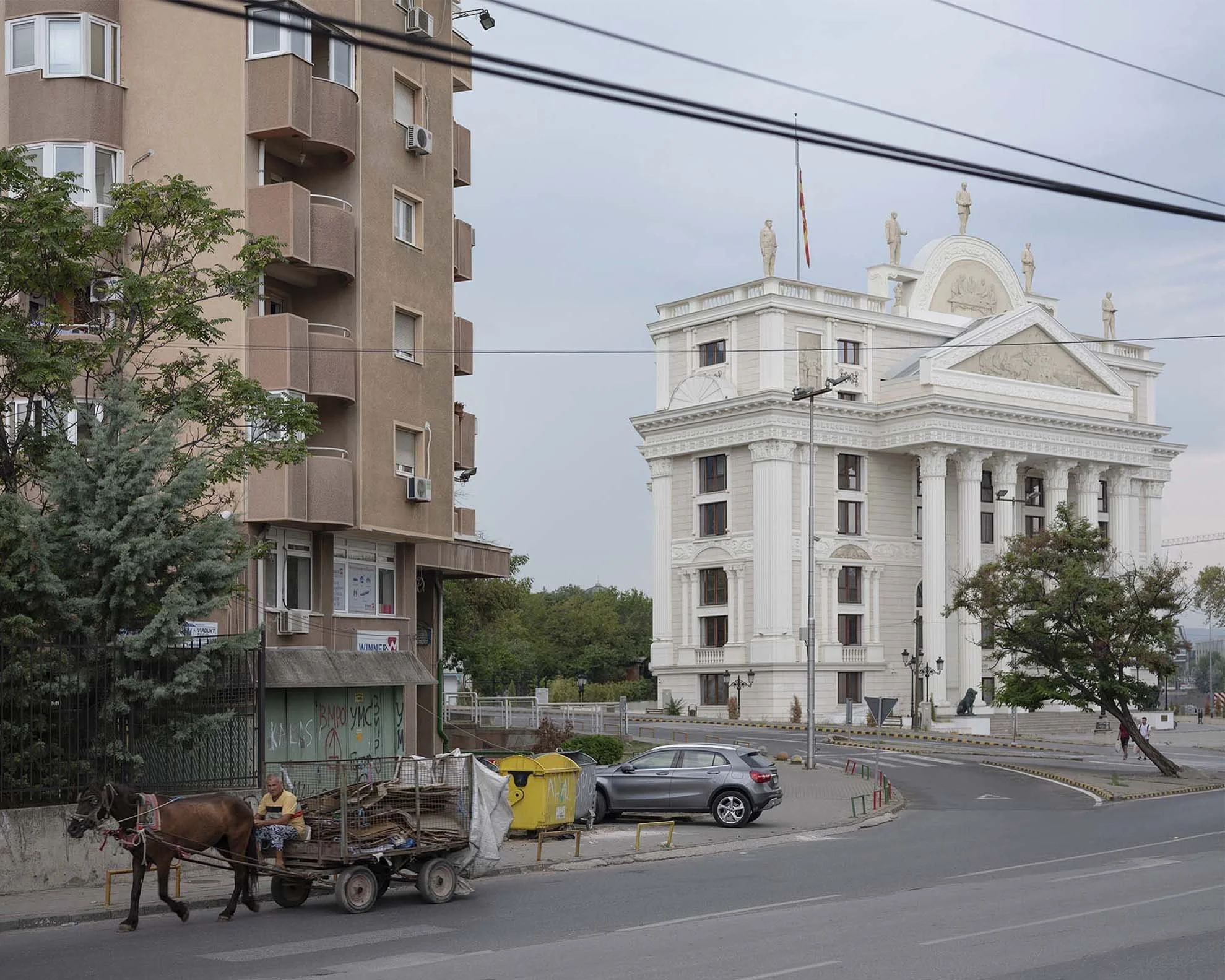
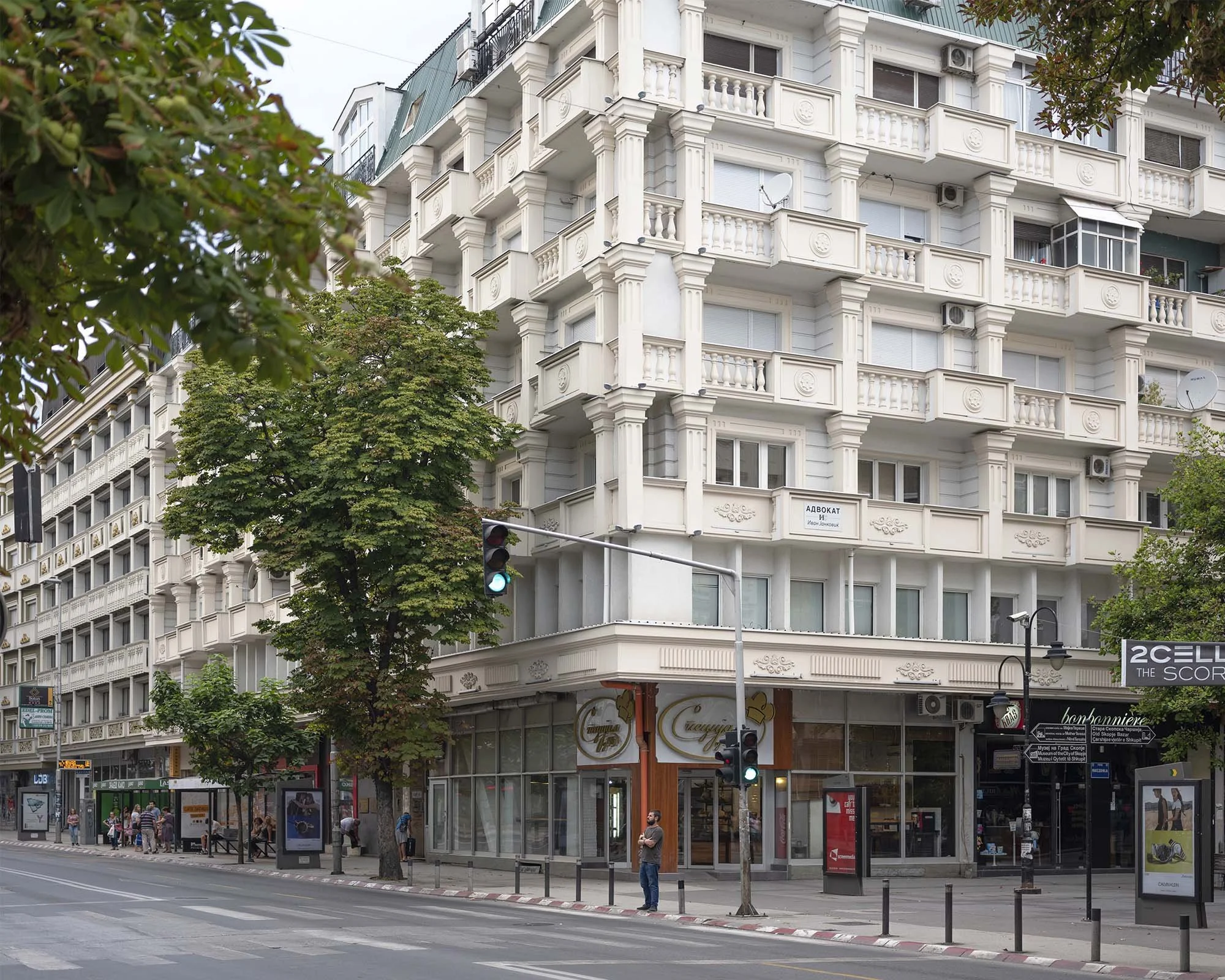
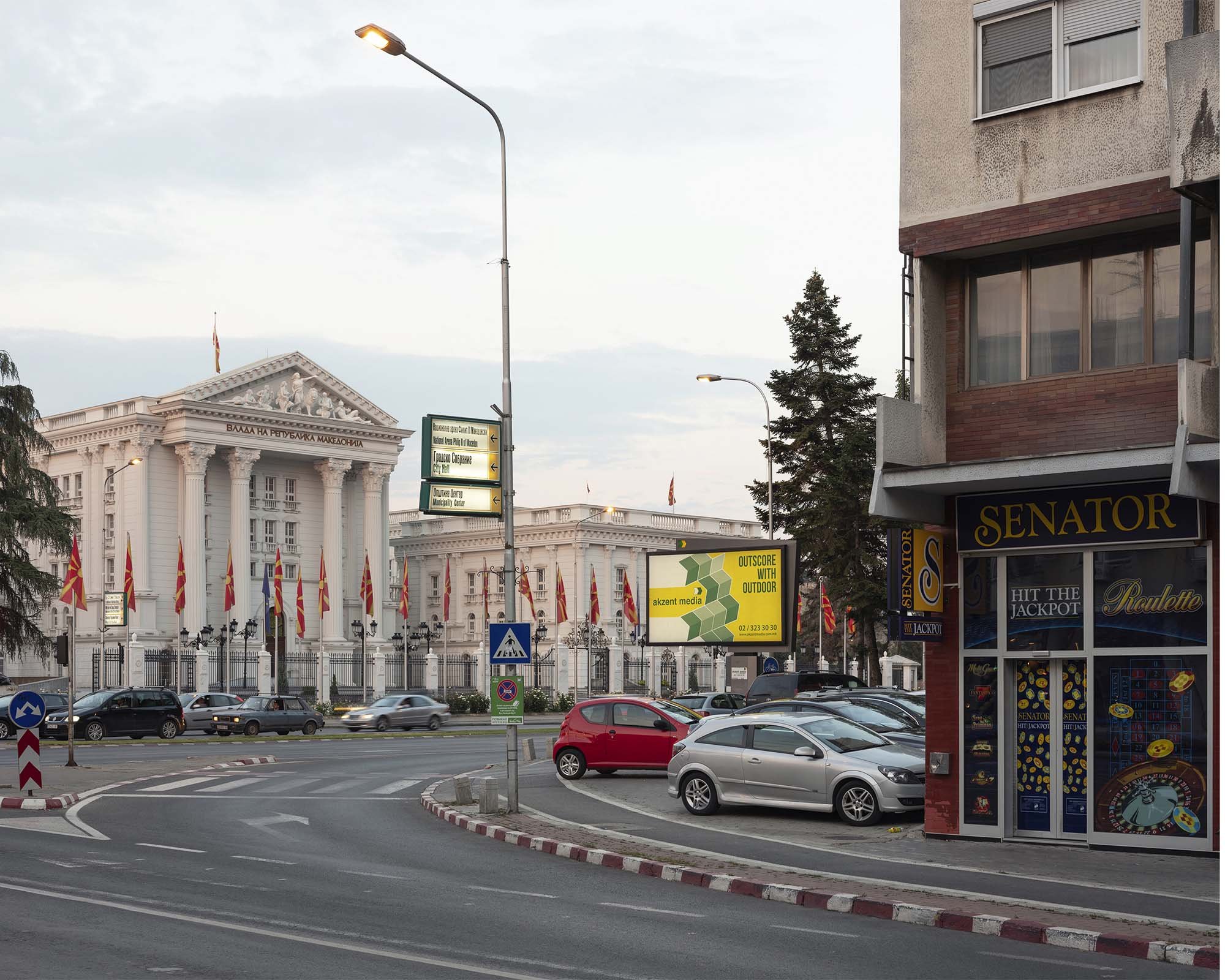
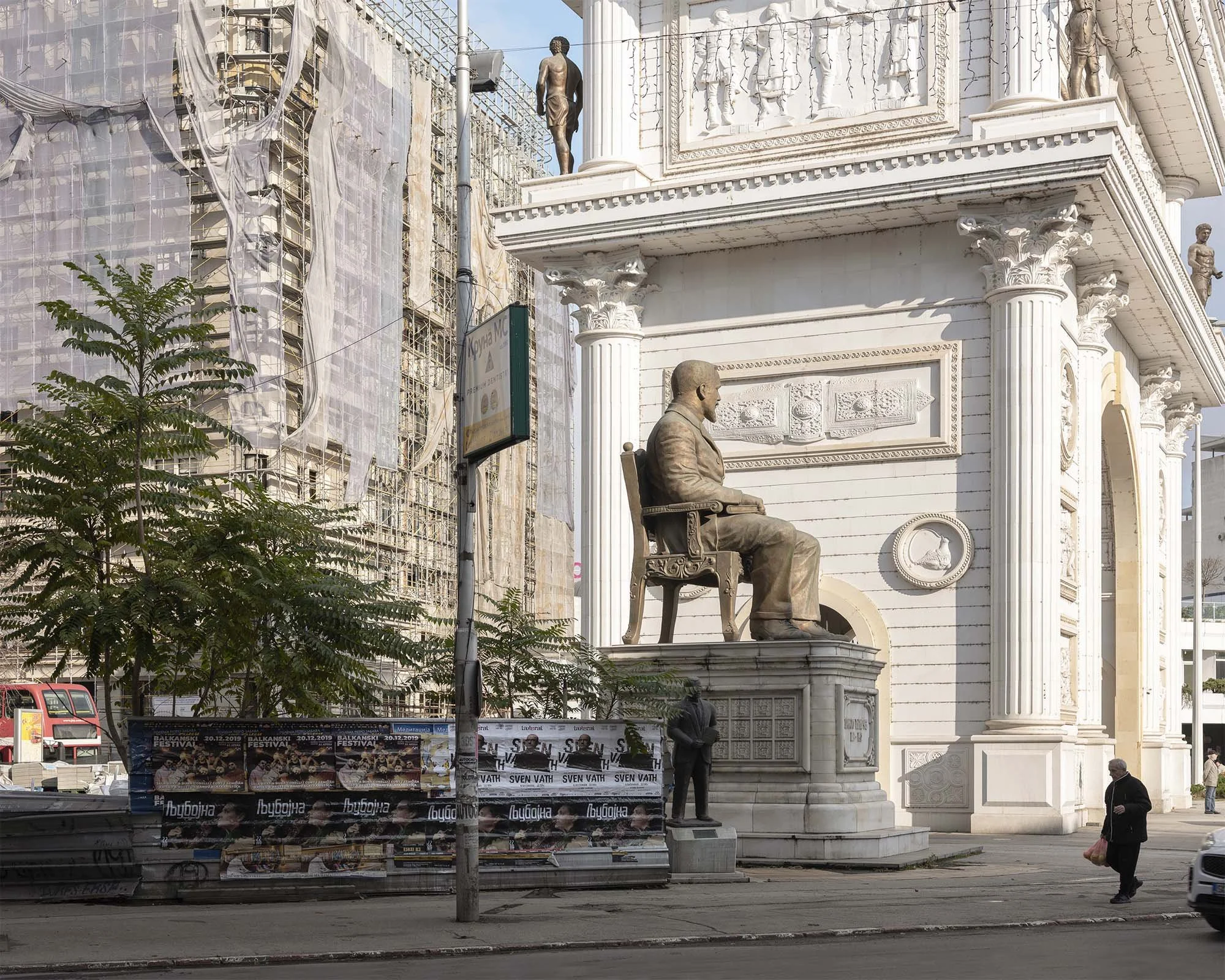
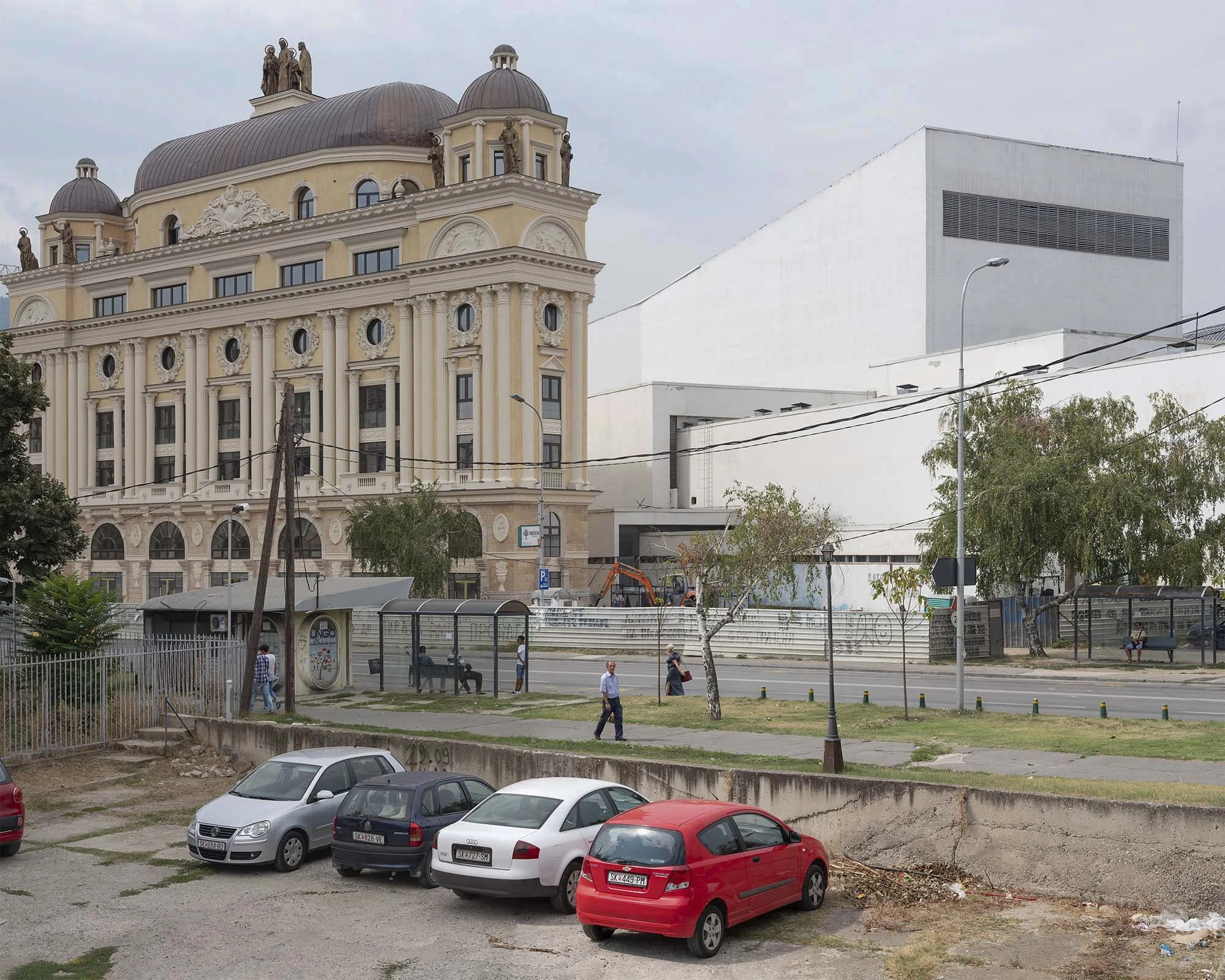
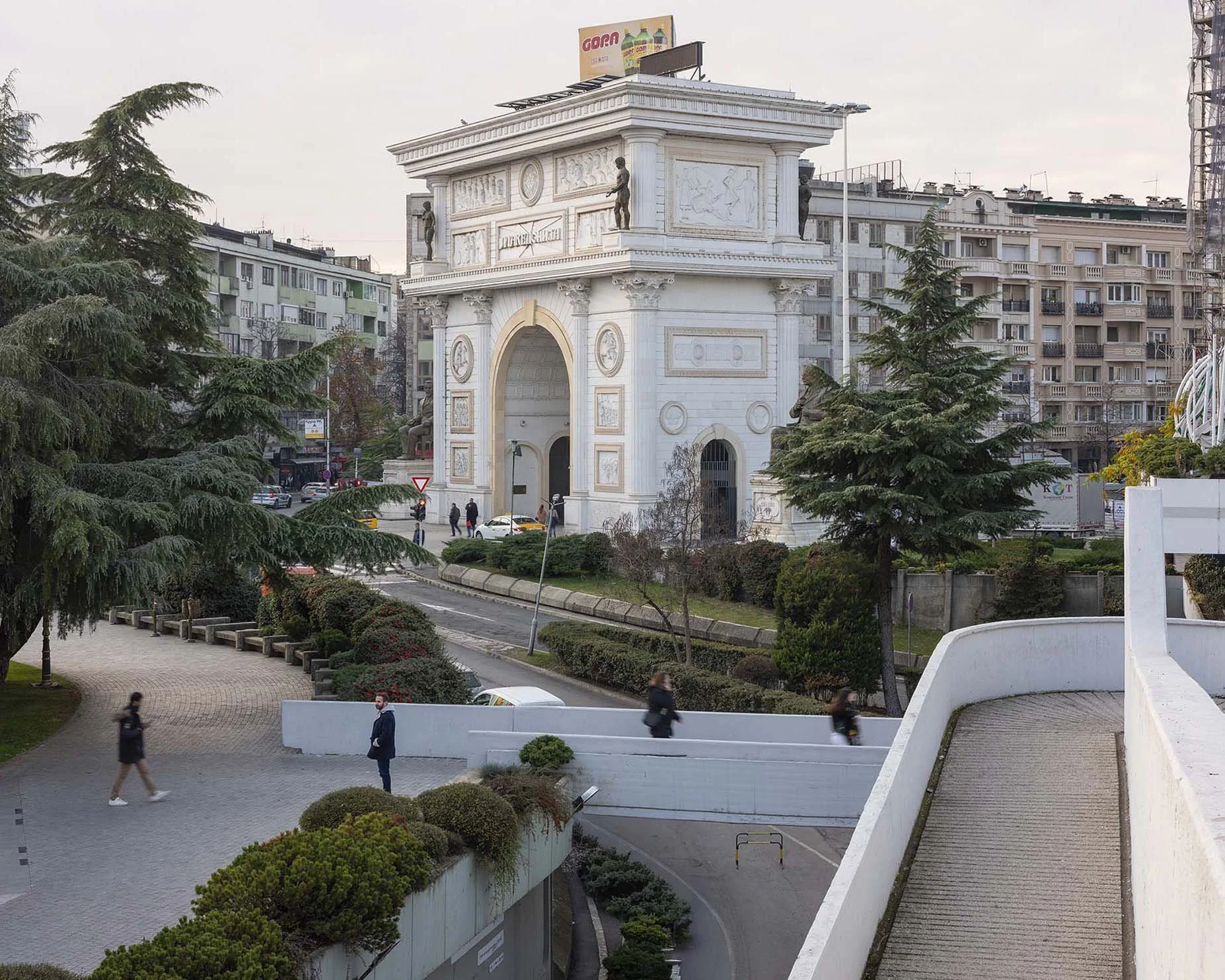
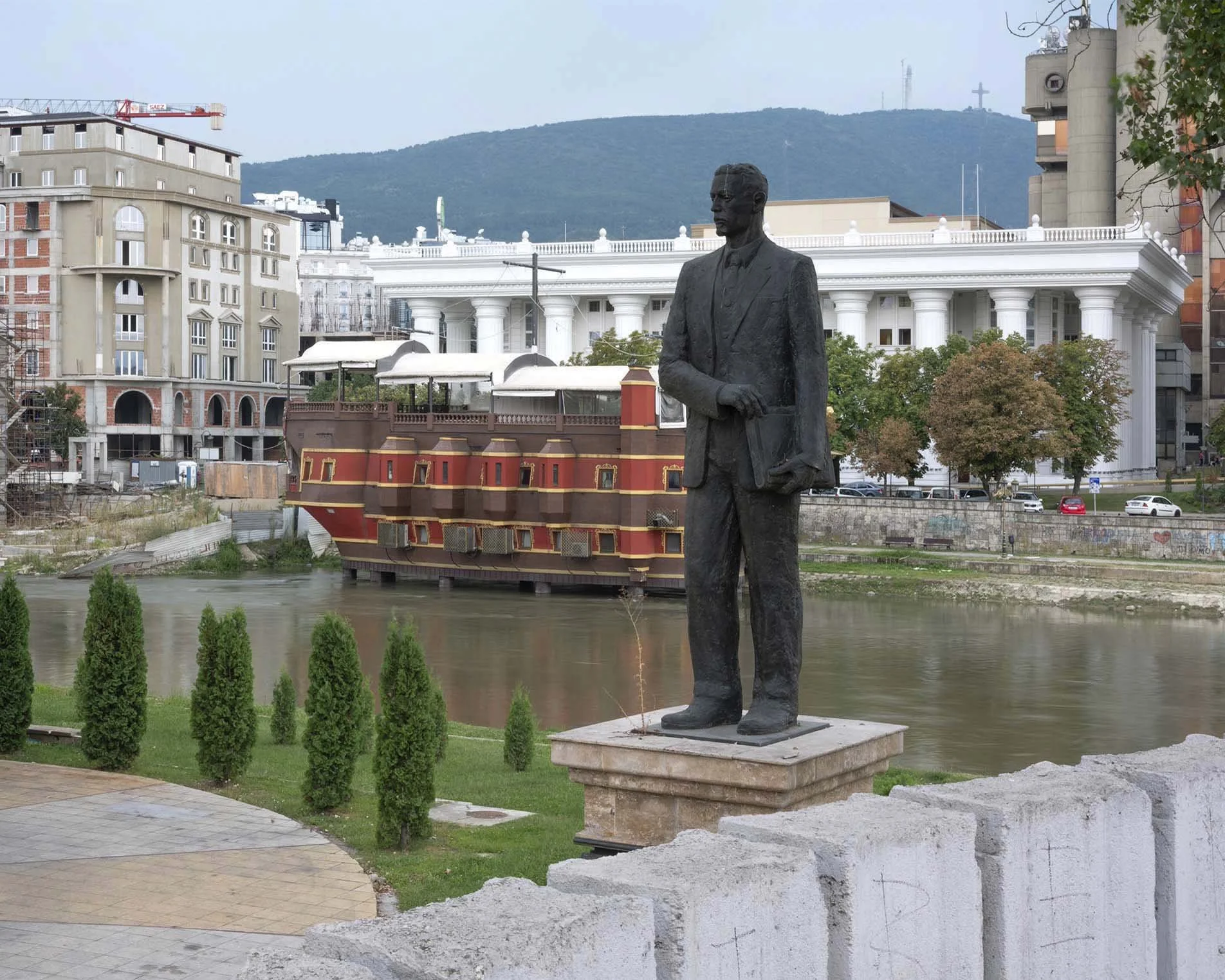
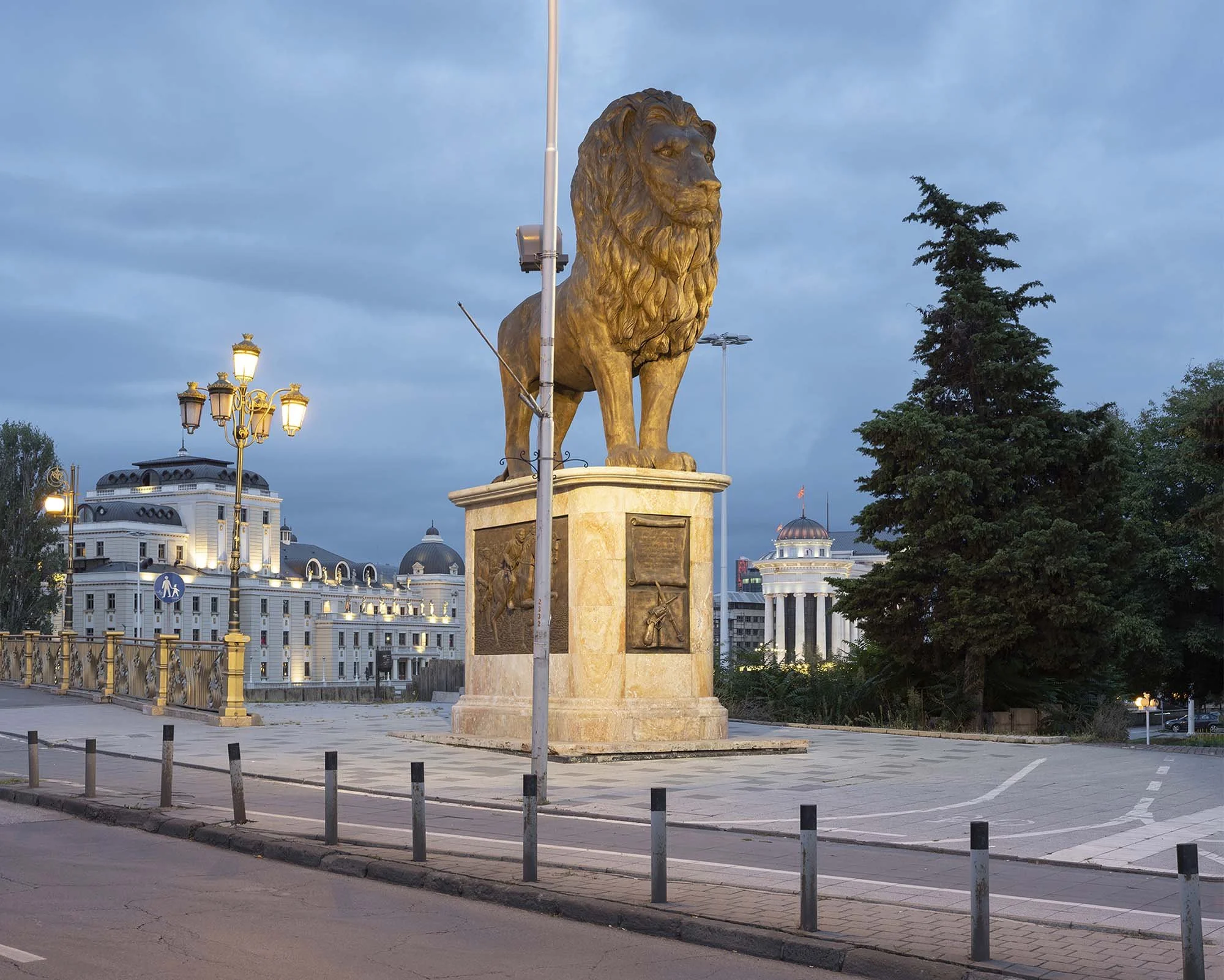
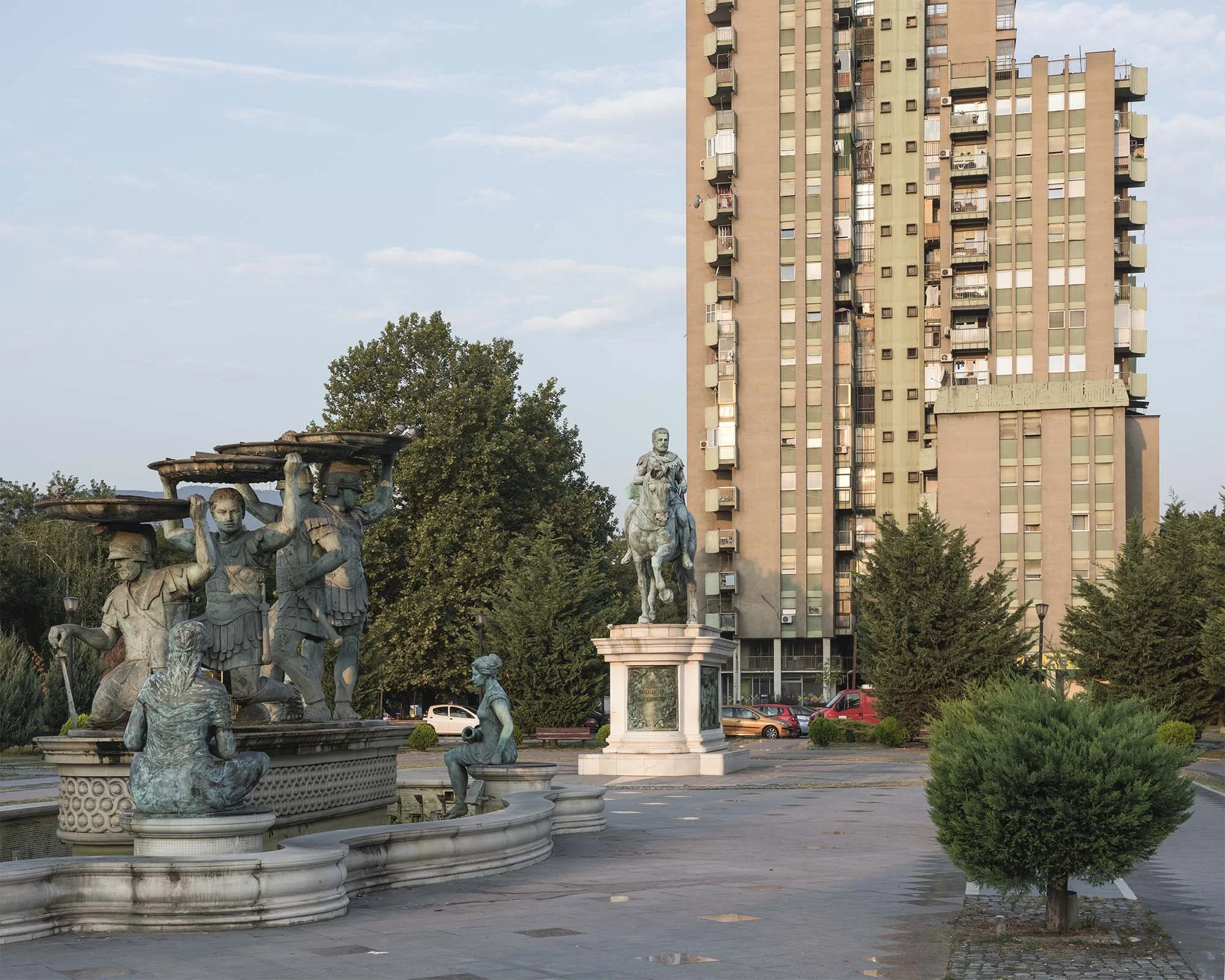
Since the 1960s, Skopje has undergone two radical transformations in terms of architecture and historical politics. After the devastating earthquake of 1963, the city became a symbol of modernity. The reconstruction was carried out with the help of the United Nations according to a master plan by Japanese architect Kenzo Tange. A pseudo-historical redesign of the city center began in 2010 with the “Skopje 2014” project, initiated by the national-conservative government under Nikola Gruevski. Since then, numerous public buildings, large-scale sculptures, and monuments in the neoclassical and neo-Baroque styles have shaped the cityscape. Modernist facades were clad with neoclassical elements. The construction project was an attempt to create a “tangible manifestation of Macedonian identity” that, following North Macedonia’s independence, clearly distinguishes itself from Yugoslavia’s socialist legacy and thereby advances the process of nation-building. With Alexander the Great as the central symbolic figure, antiquity has taken the place of the socialist past under Marshal Tito.
Seit den 1960er Jahren hat Skopje gleich zweimal einen radikalen architektonischen und geschichtspolitischen Wandel vollzogen. Nach dem schweren Erdbeben von 1963 wurde die Stadt zu einem Symbol der Moderne. Der Wiederaufbau erfolgte mit Hilfe der Vereinten Nationen nach einem Masterplan des japanischen Architekten Kenzo Tange. Eine pseudo-historische Neuinszenierung des Stadtzentrums begann ab 2010 mit dem Projekt „Skopje 2014“, das von der national-konservativen Regierung unter Nikola Gruevski initiiert wurde. Zahlreiche öffentliche Gebäude, Großplastiken und Denkmäler im neoklassizistischen und neobarocken Stil prägen seither das Stadtbild. Modernistische Fassaden wurden mit klassizistischen Elementen verkleidet. Das Bauvorhaben war der Versuch, eine „tangible manifestation of Macedonian identity“ zu schaffen, die sich nach der Eigenstaatlichkeit Nordmazedoniens klar vom sozialistischen Erbe Jugoslawiens abgrenzt und damit den Prozess des Nation-Building voranzutreiben. Mit Alexander dem Großen als zentraler Symbolfigur tritt die Antike an die Stelle der sozialistischen Vergangenheit unter Marschall Tito.