

TASKHKENT / 2017- 2019
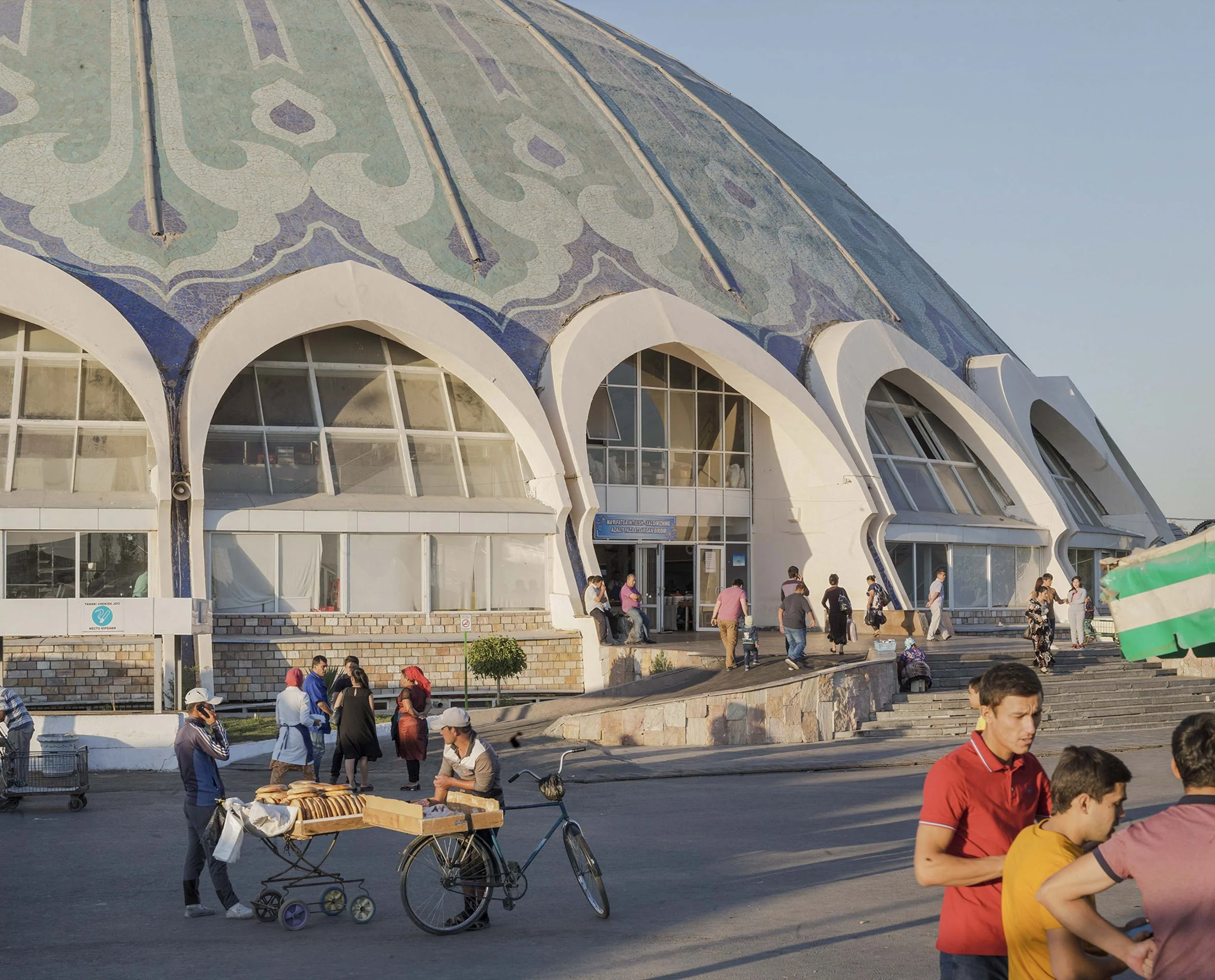
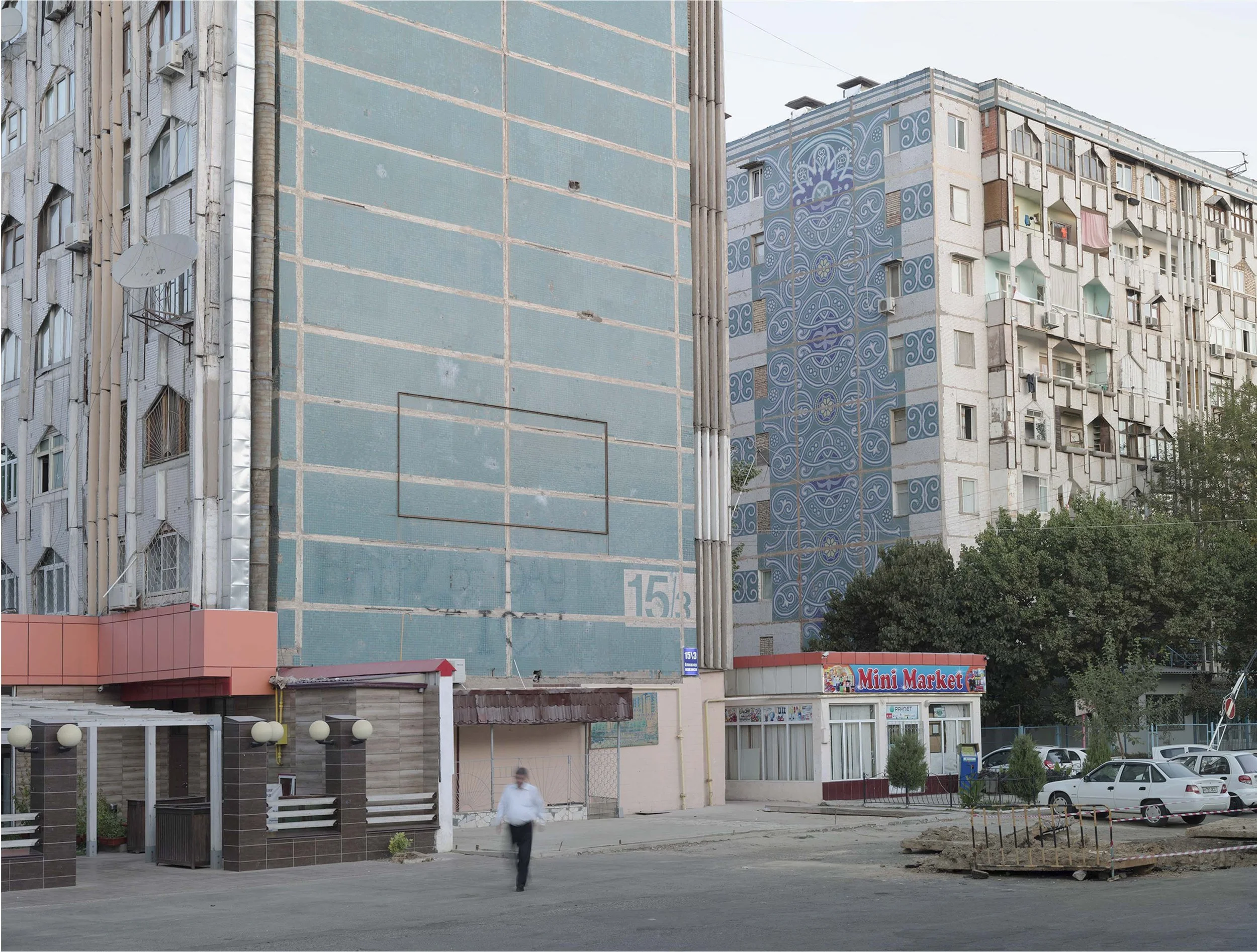
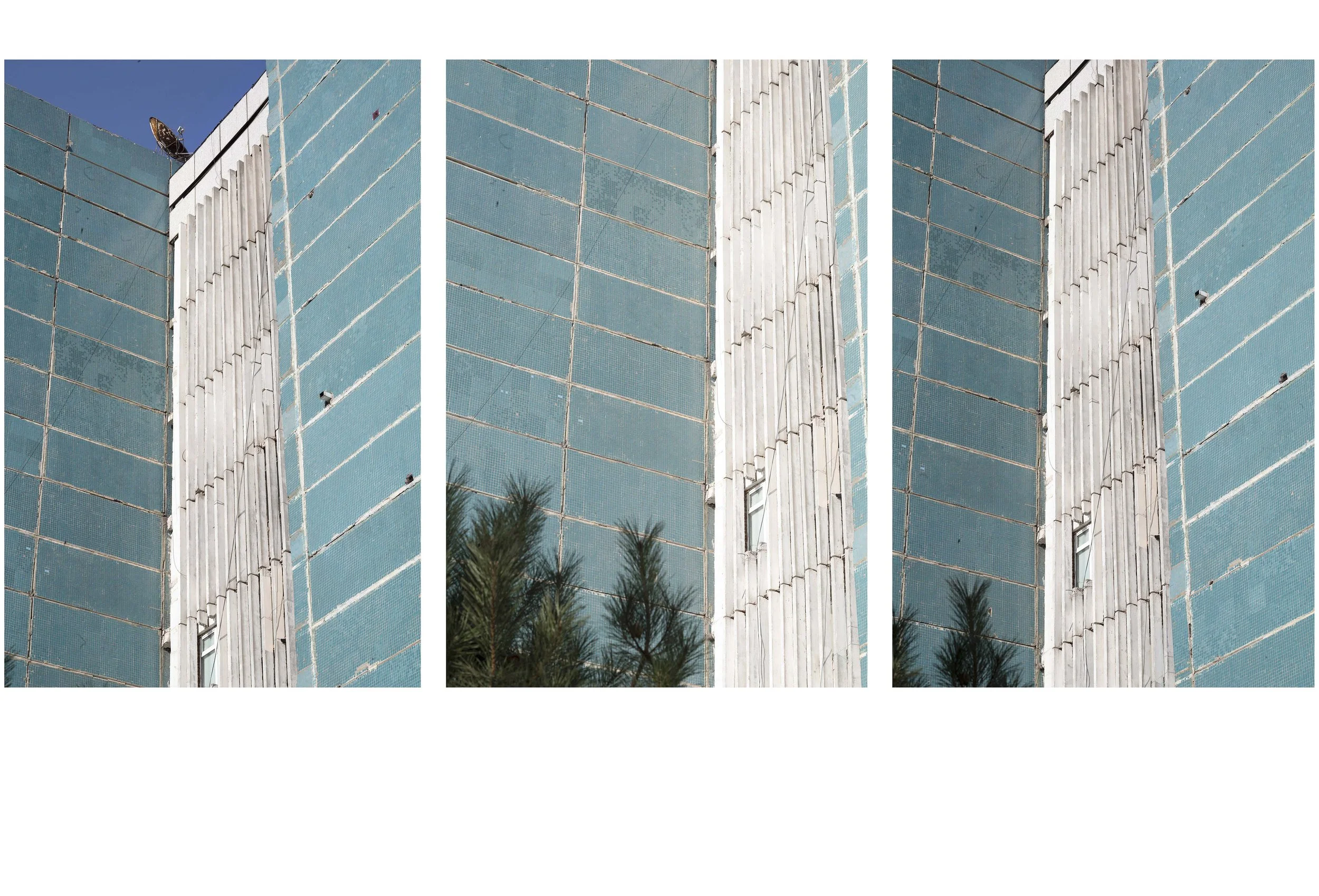
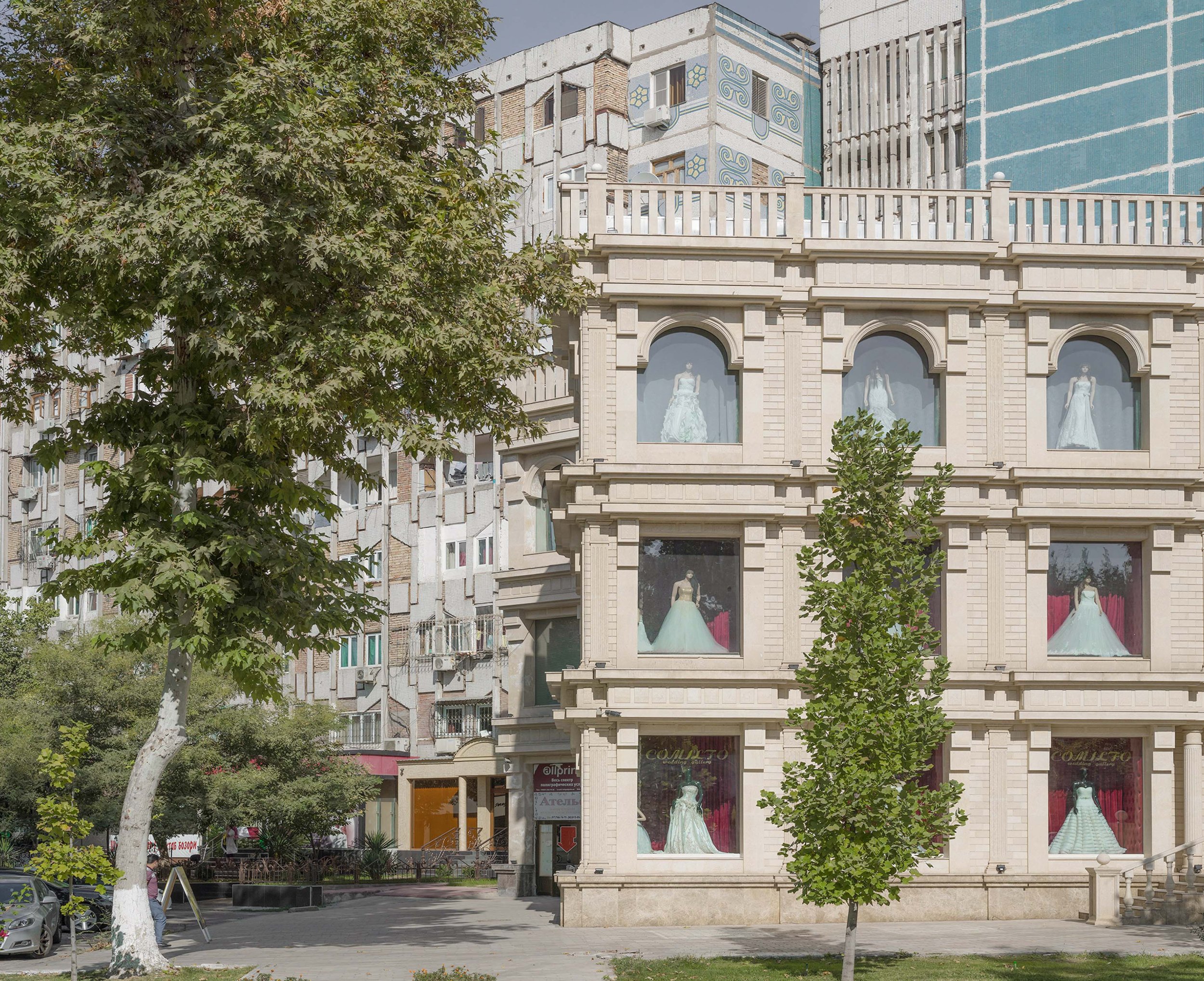
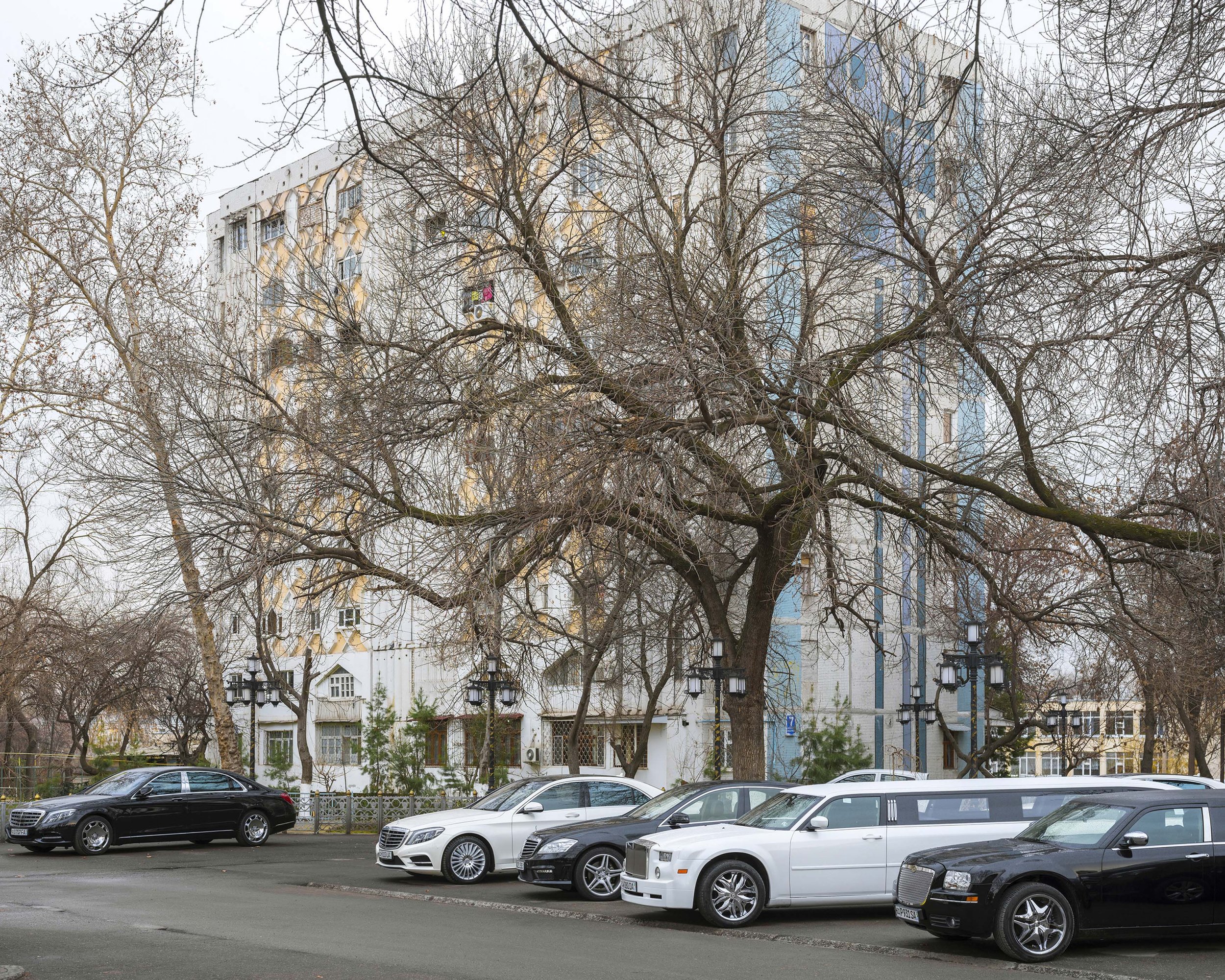
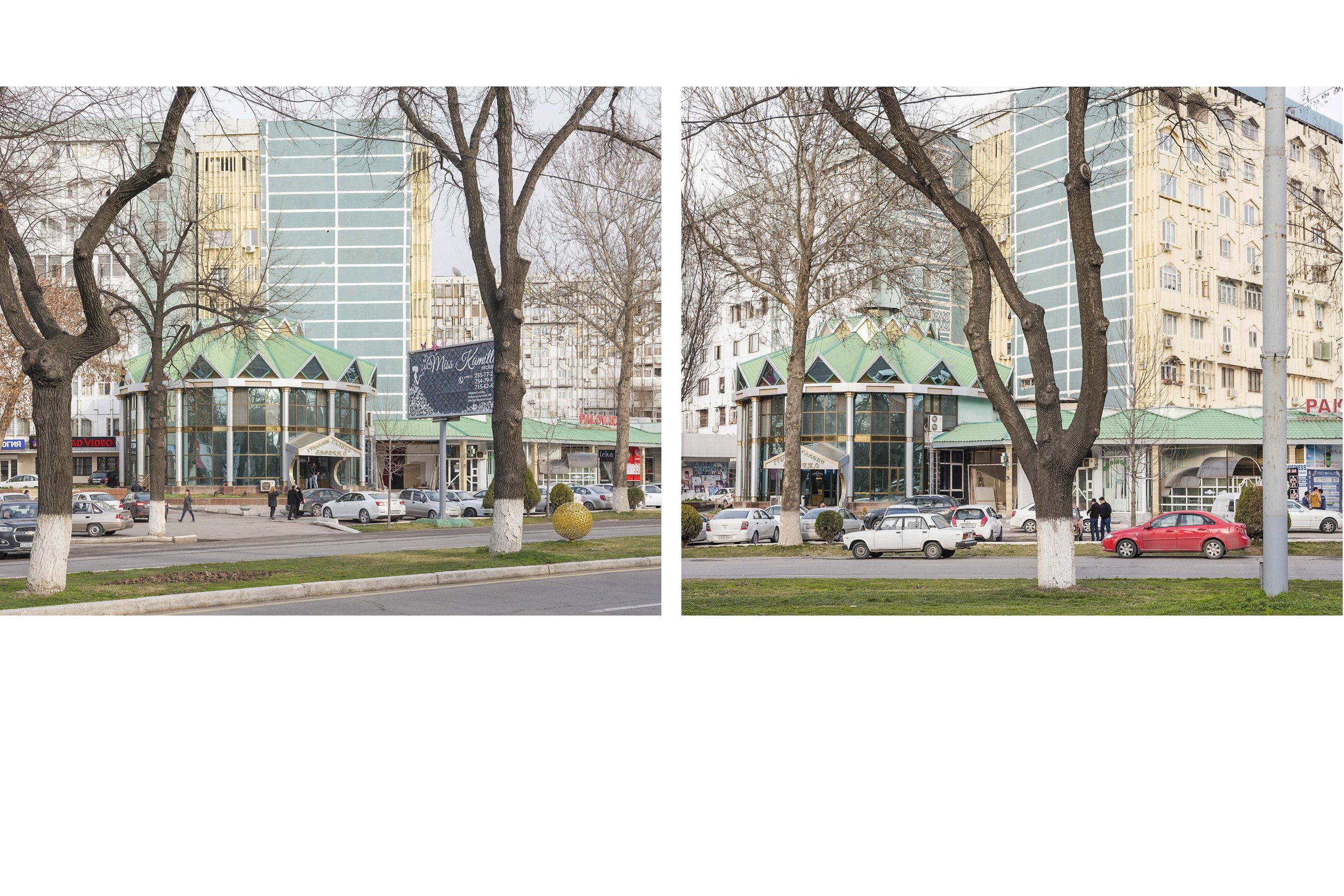
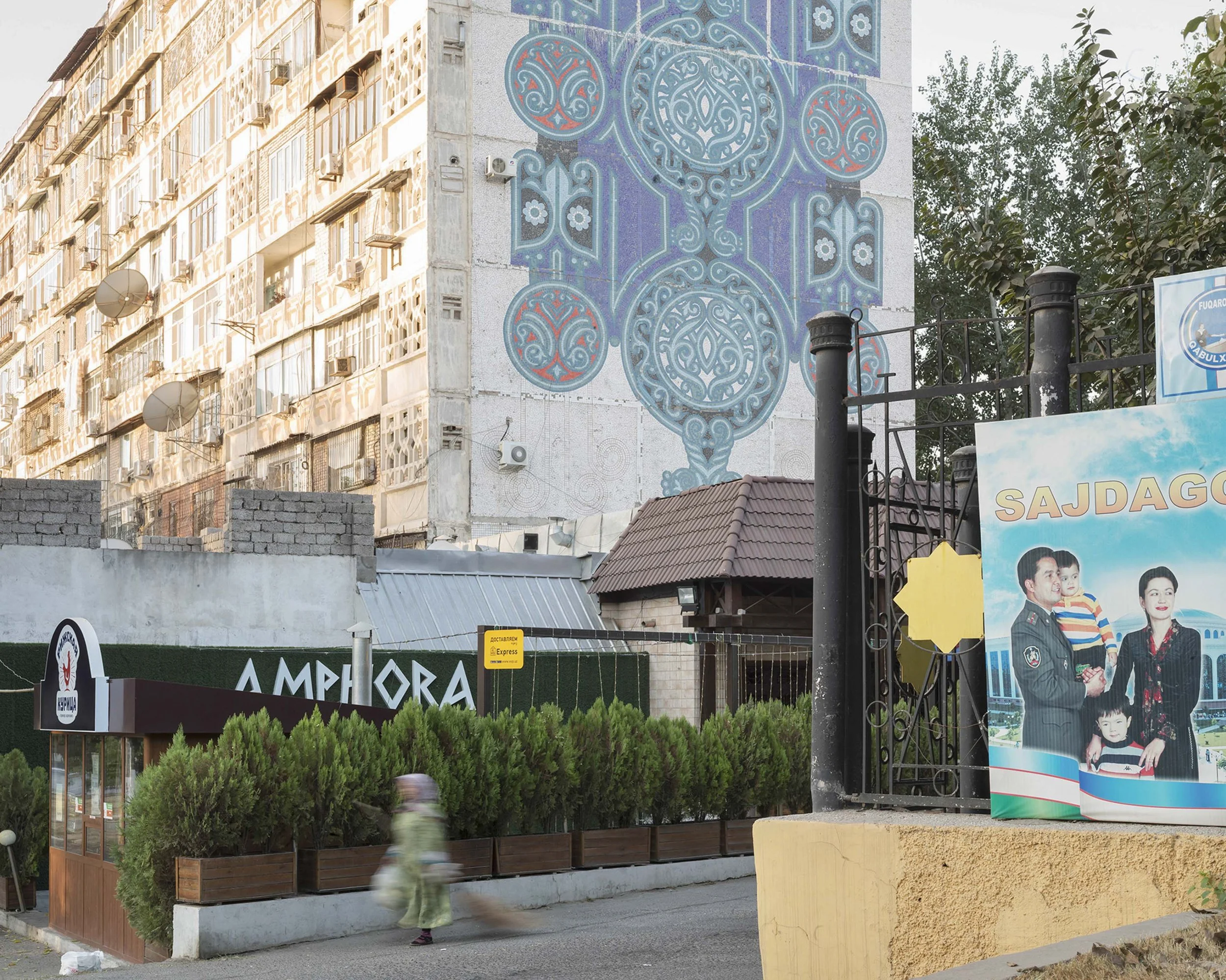
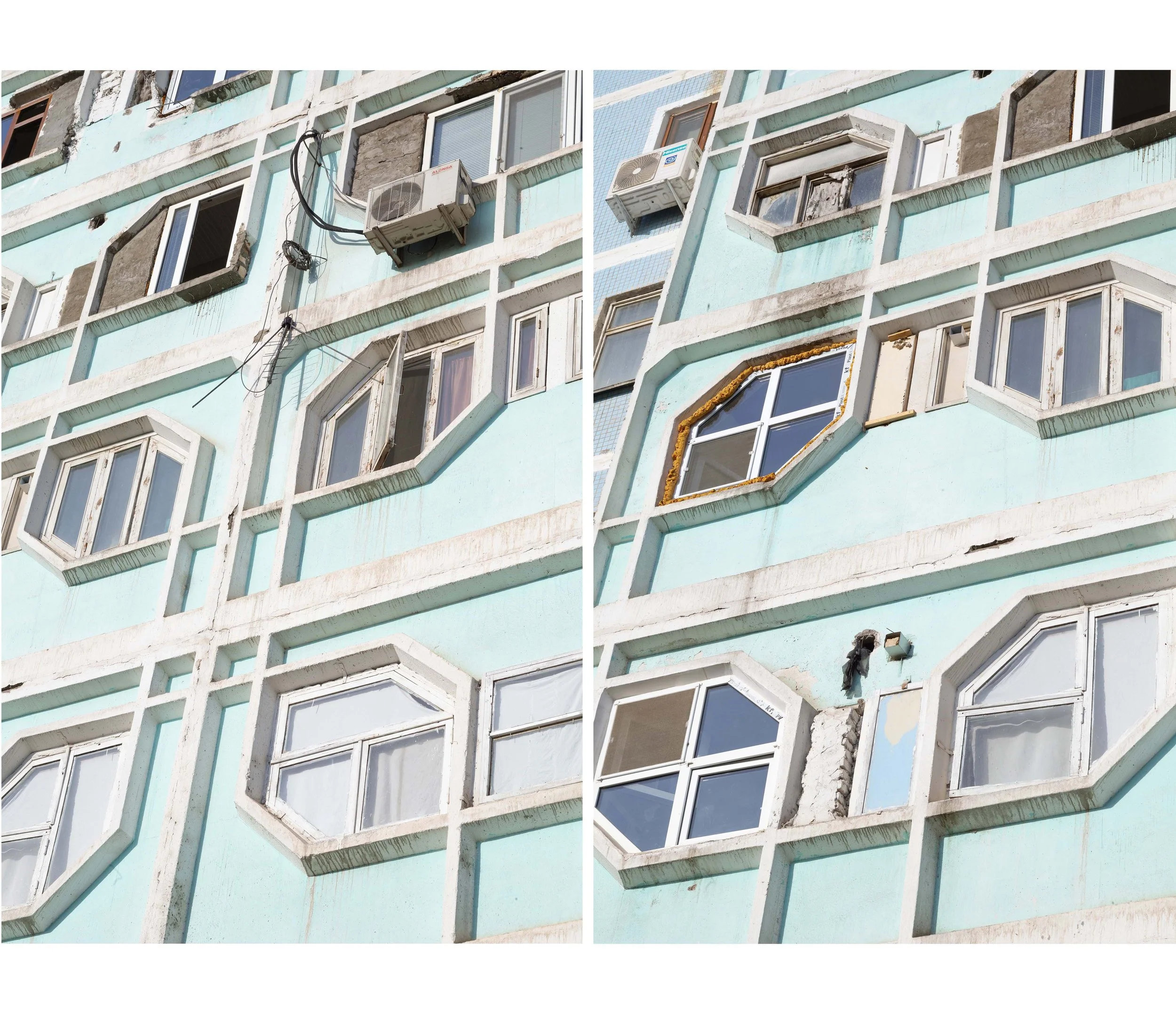
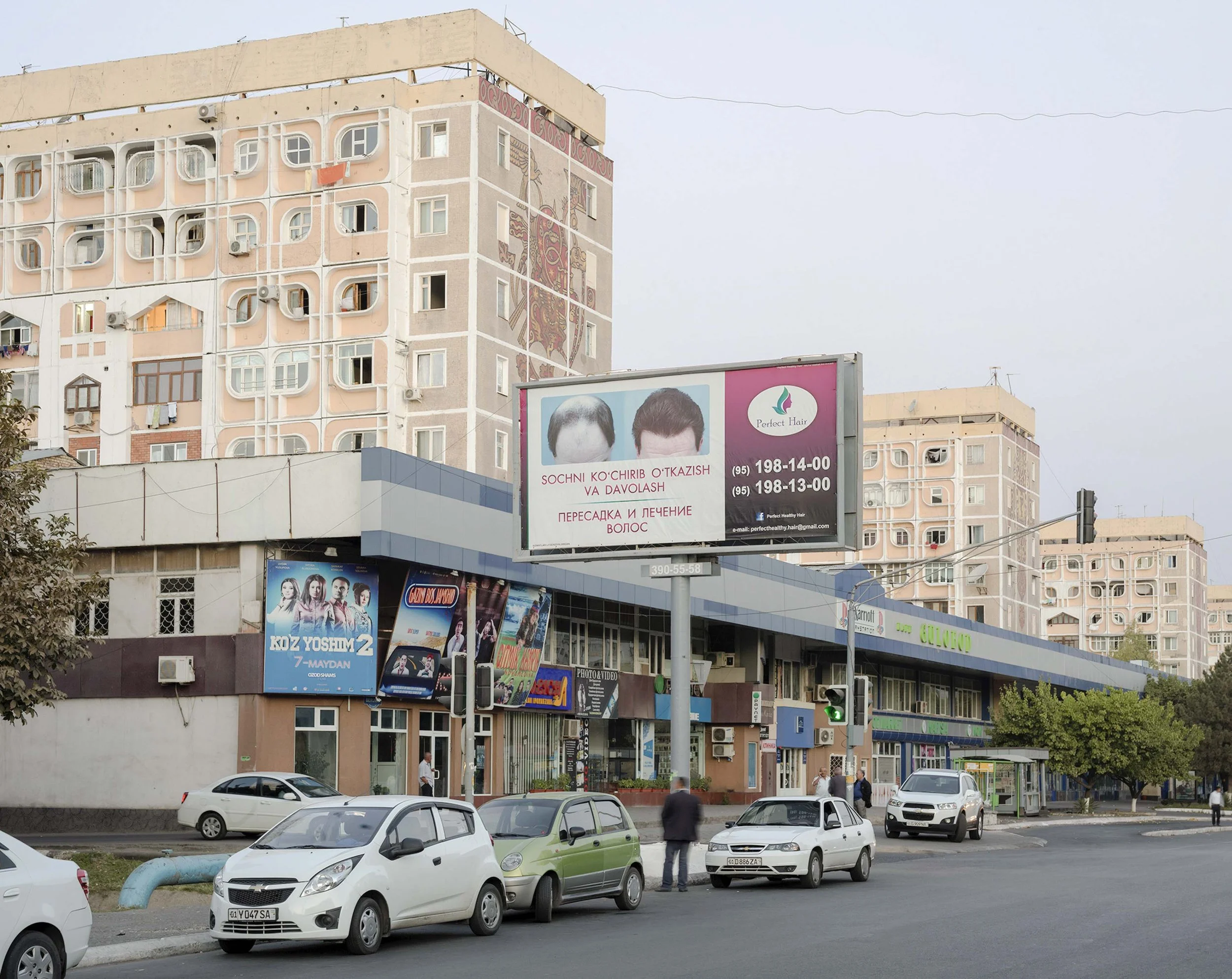
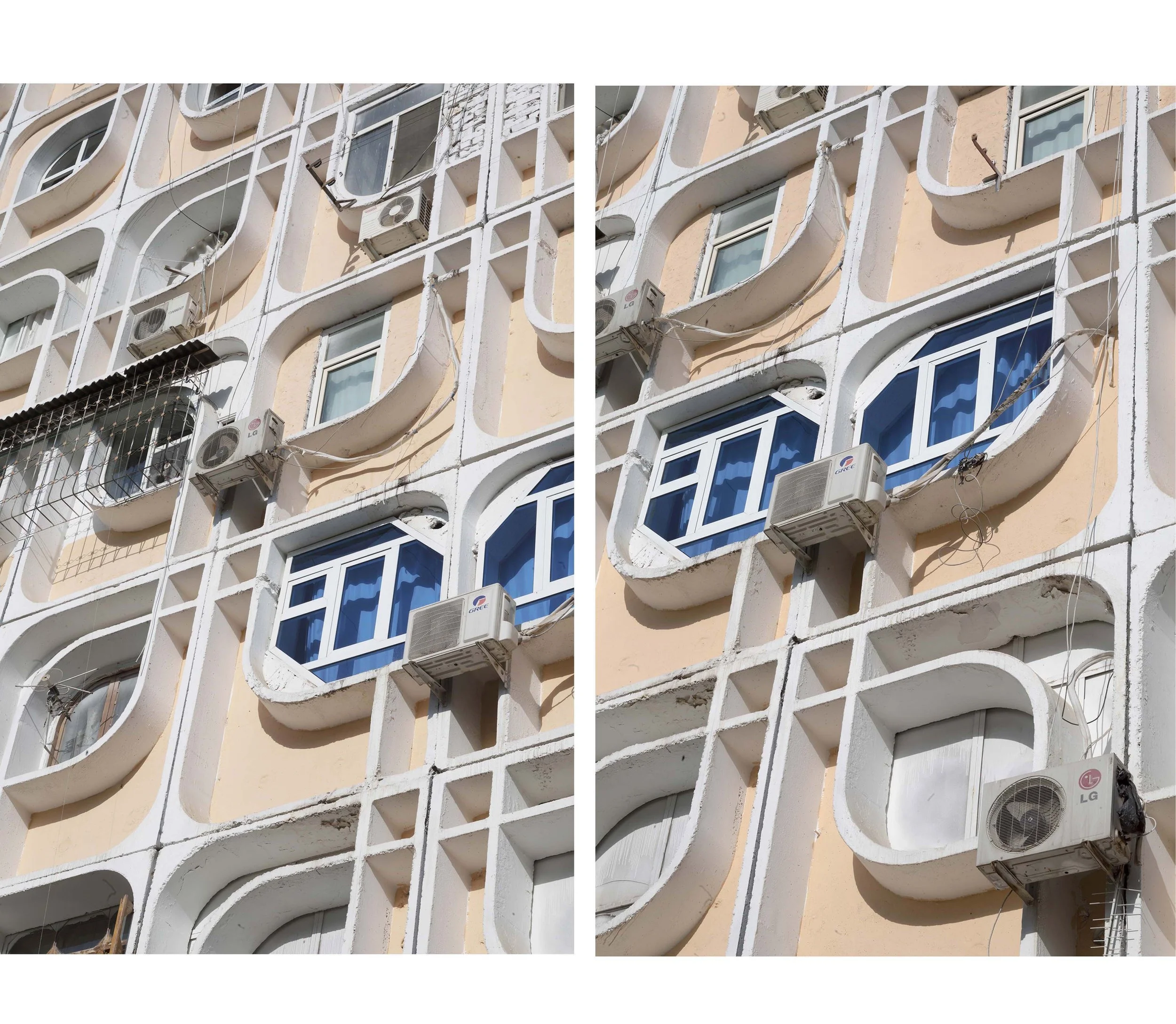
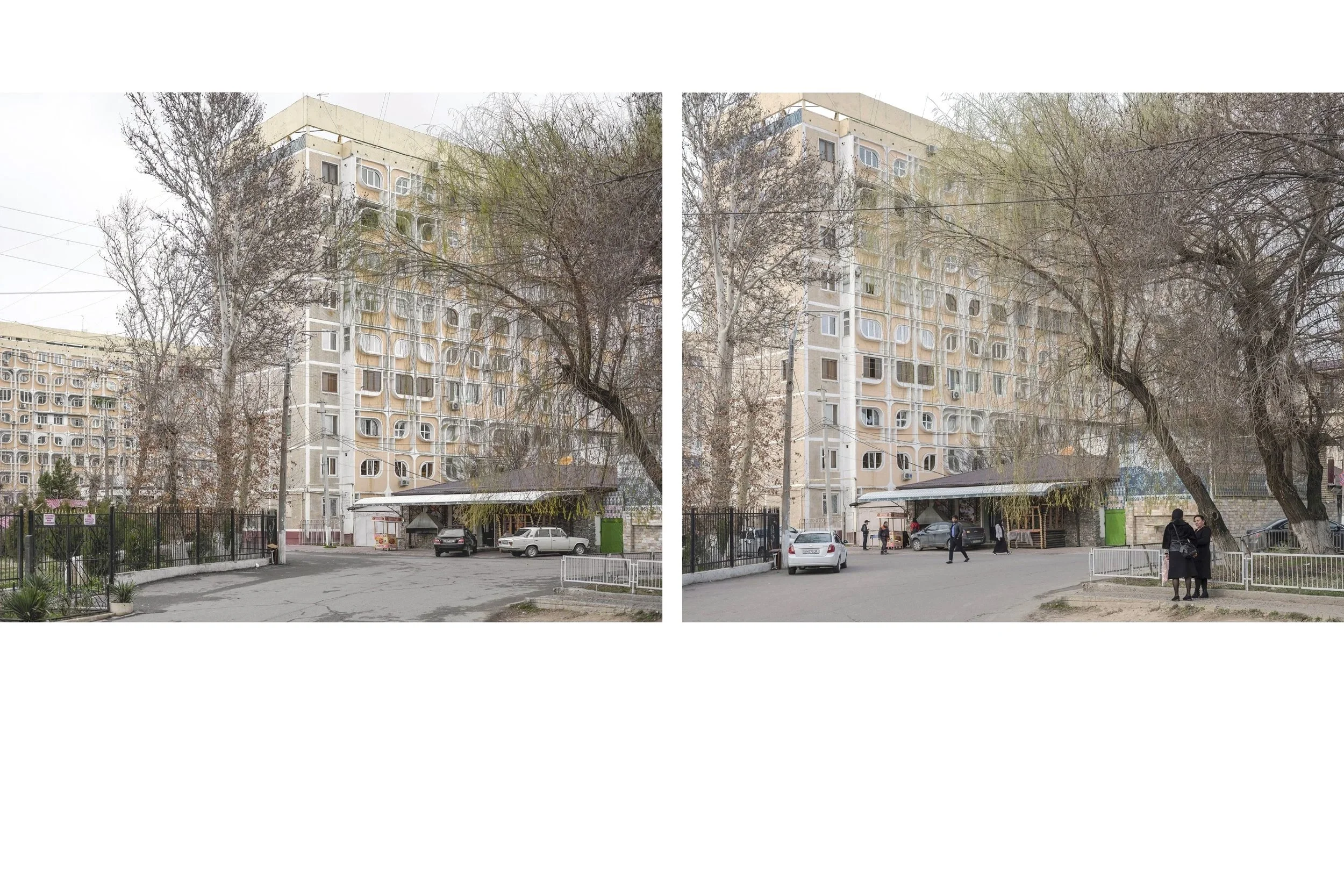
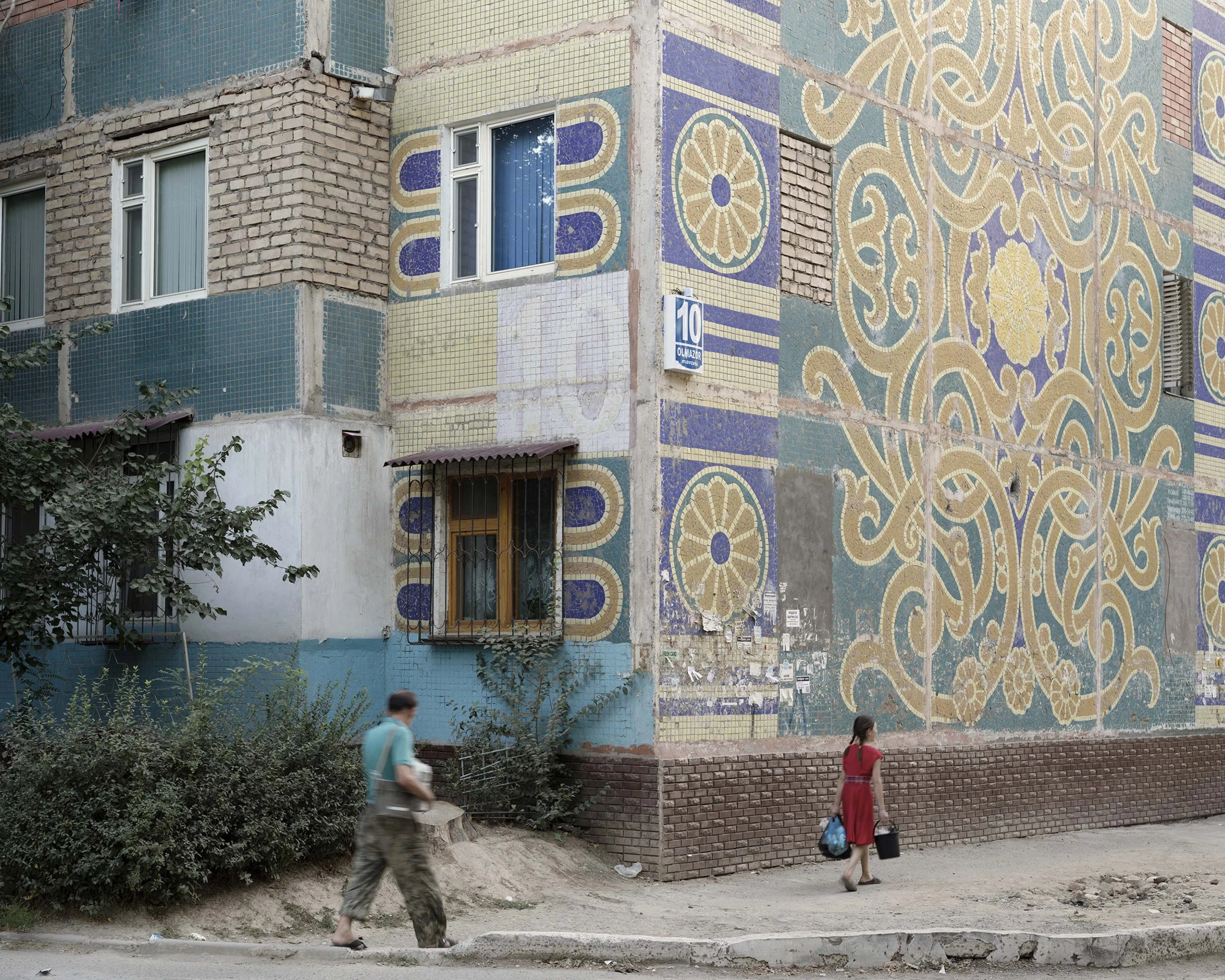
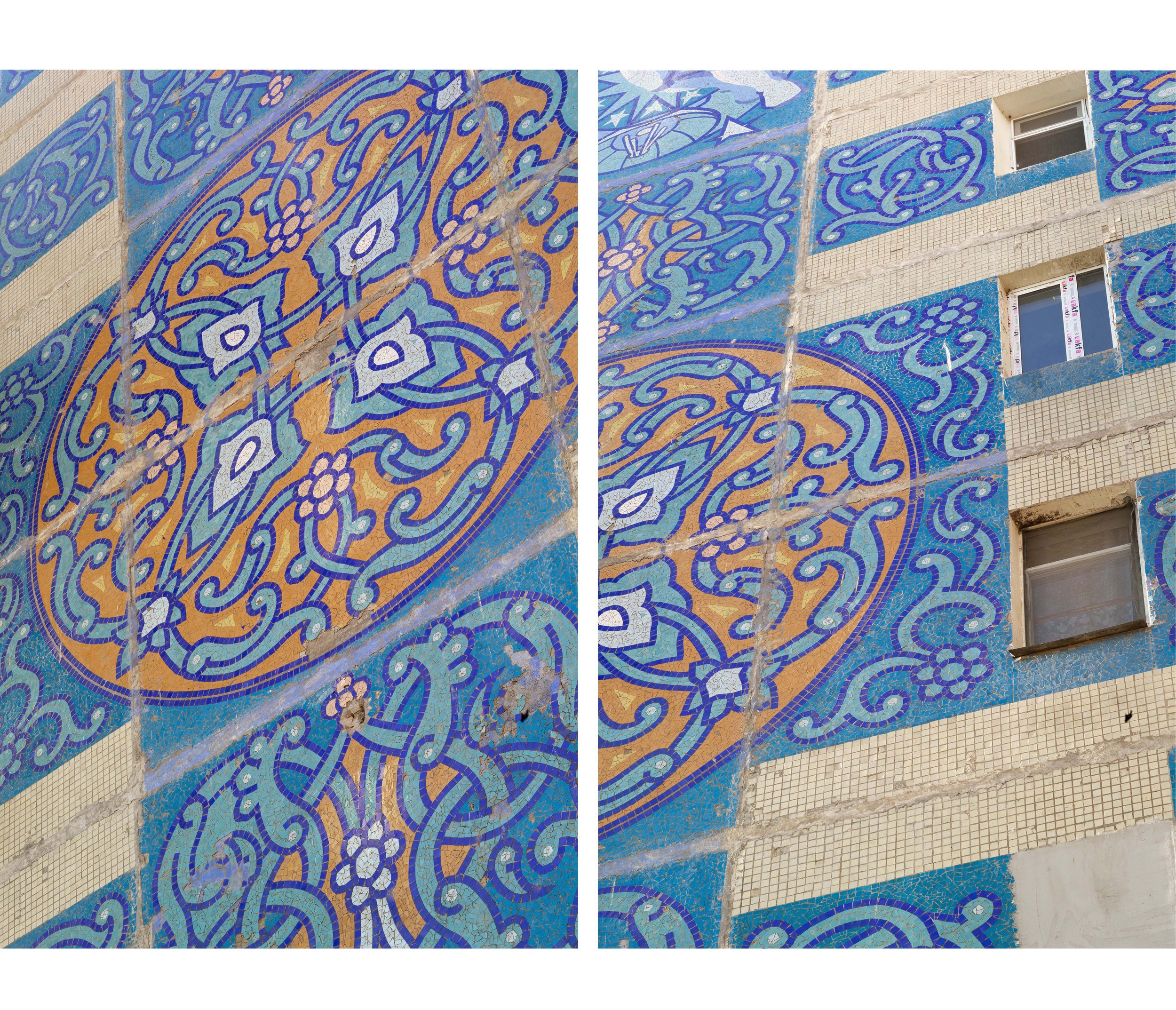
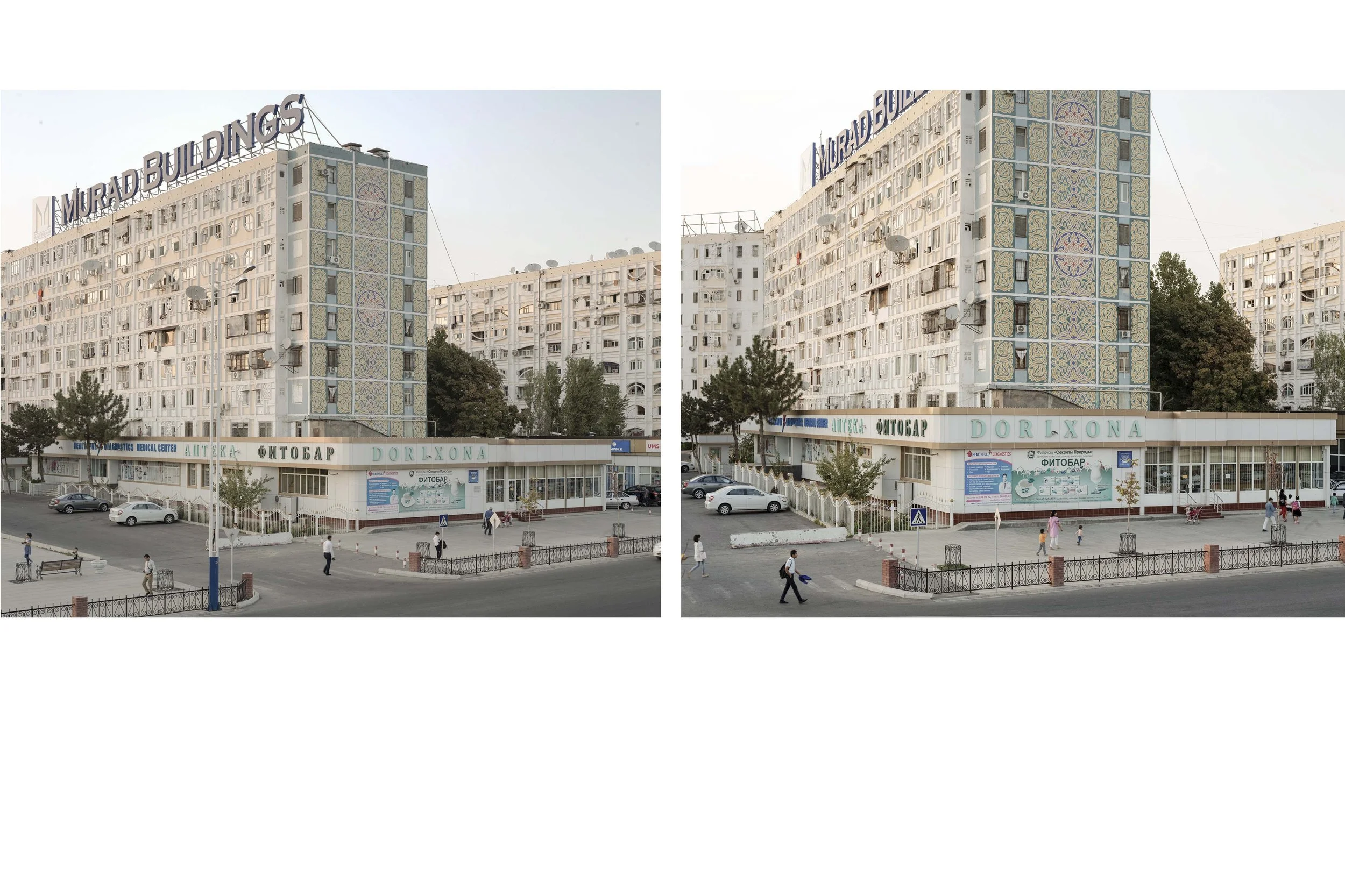
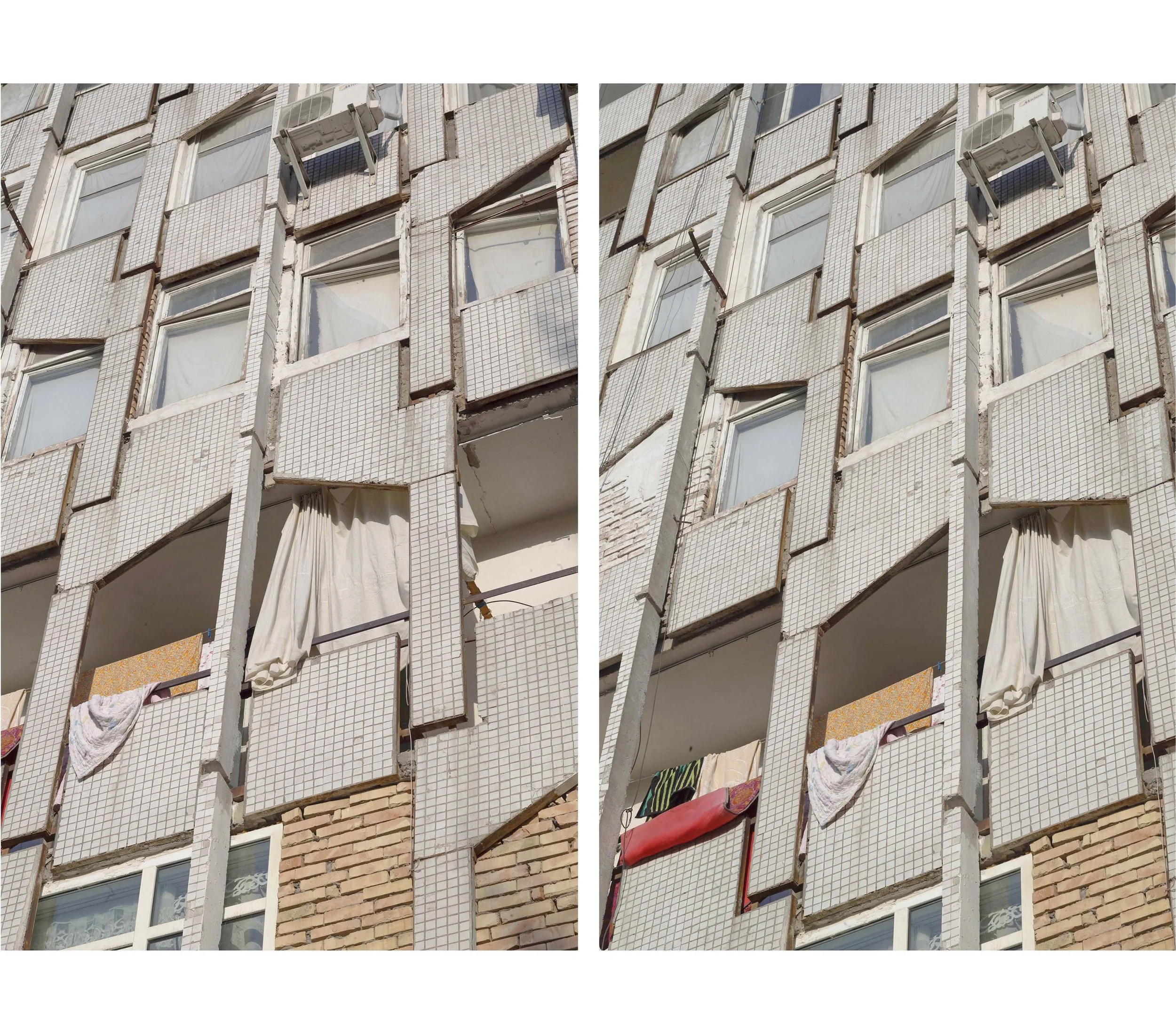
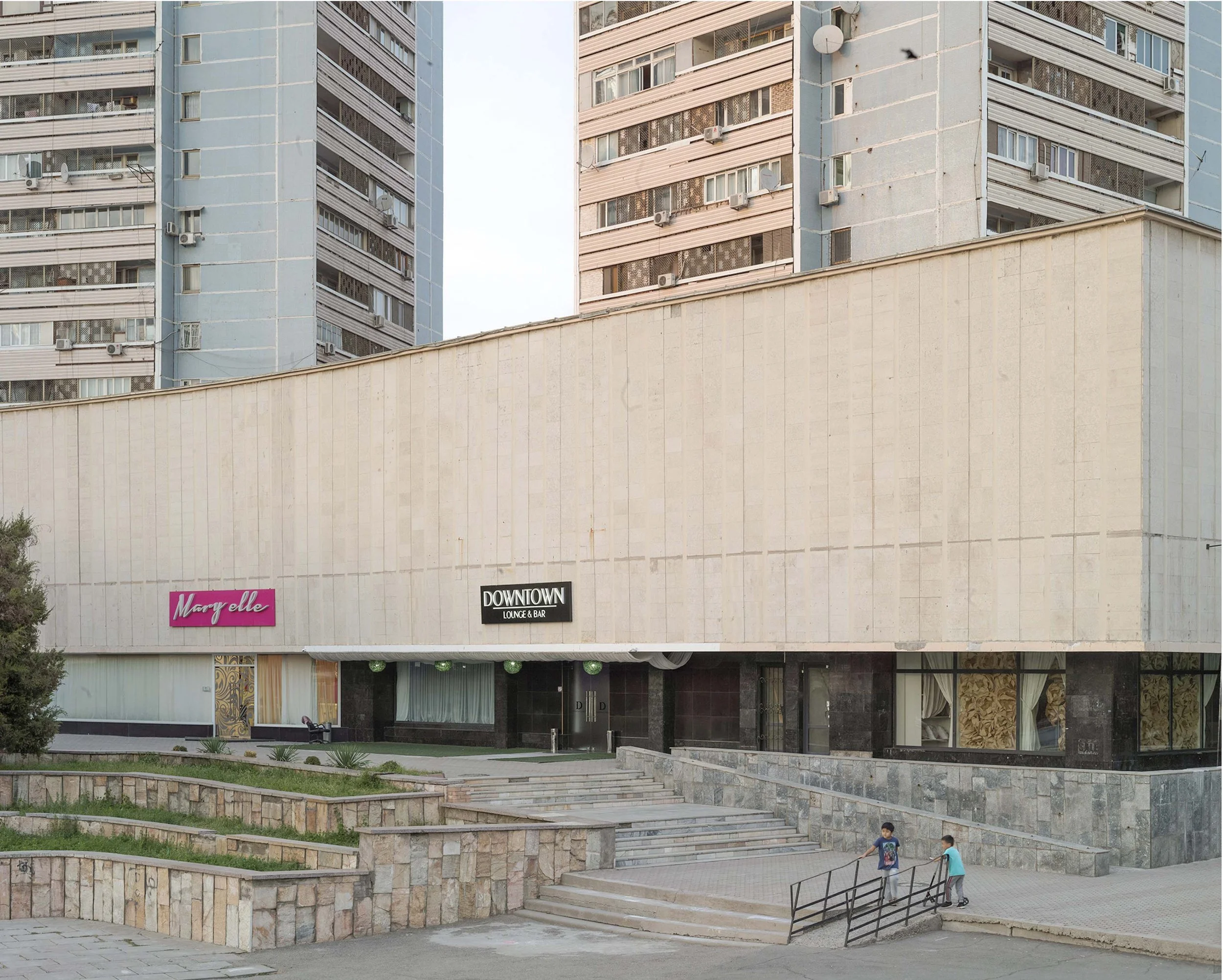
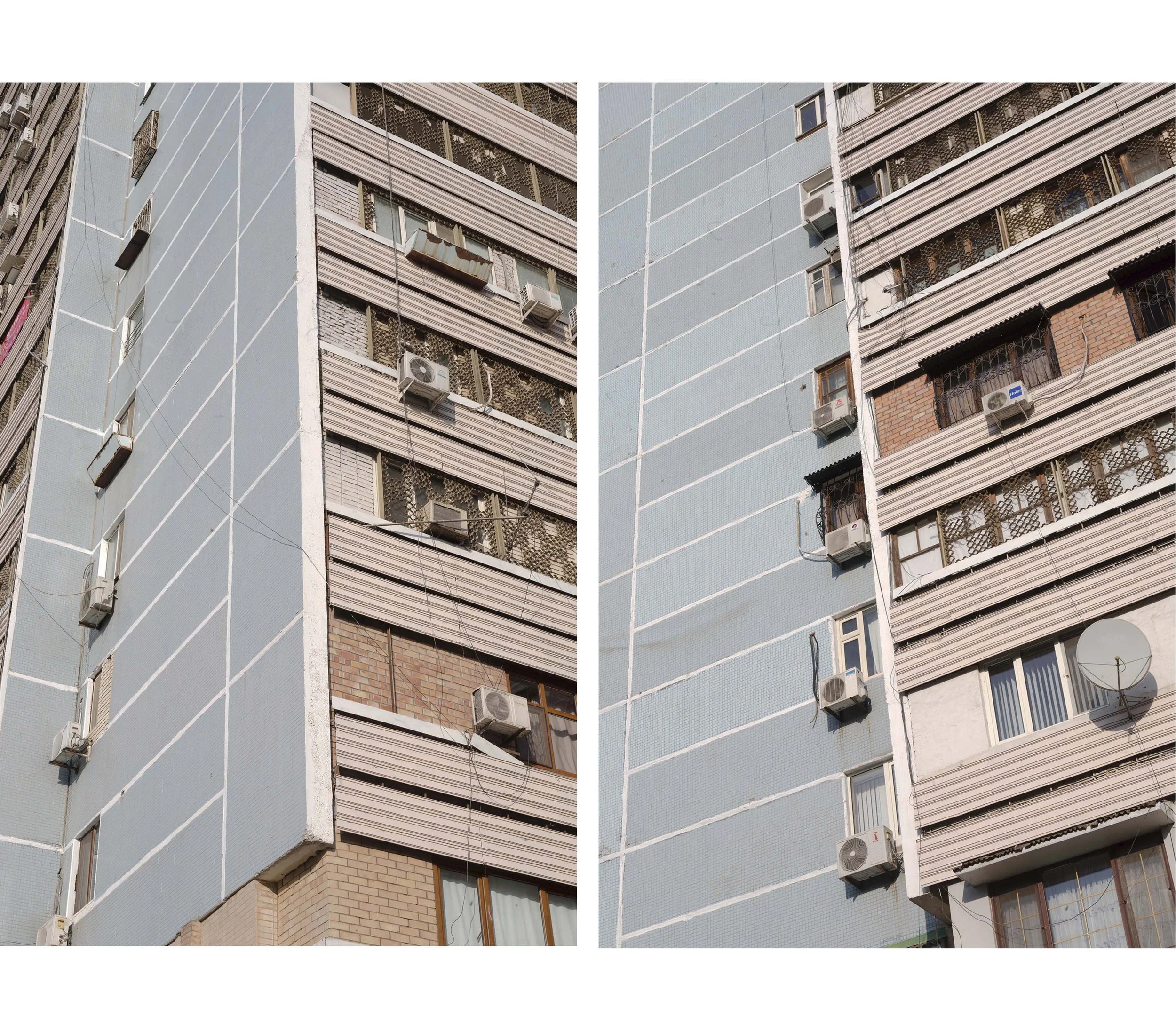
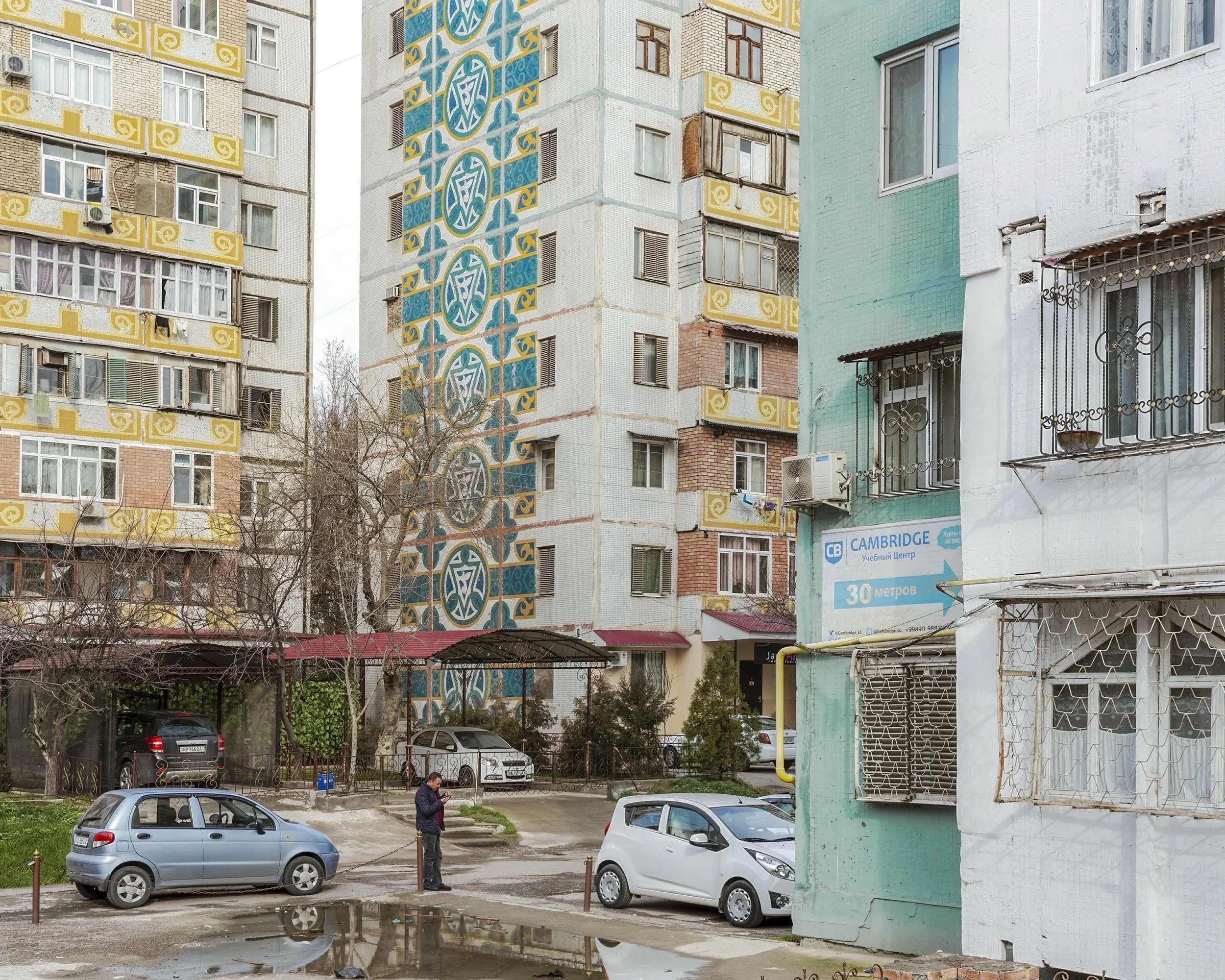
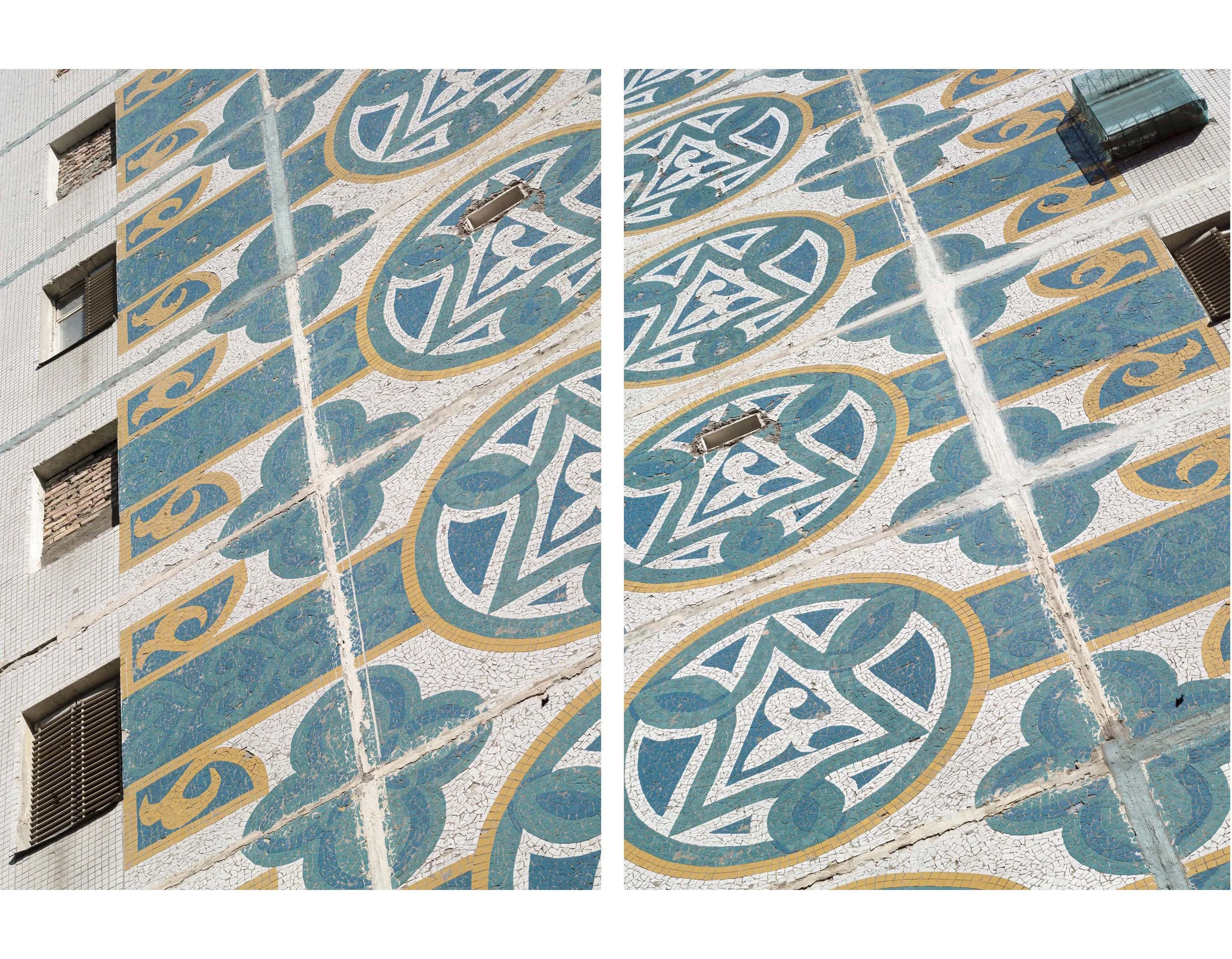
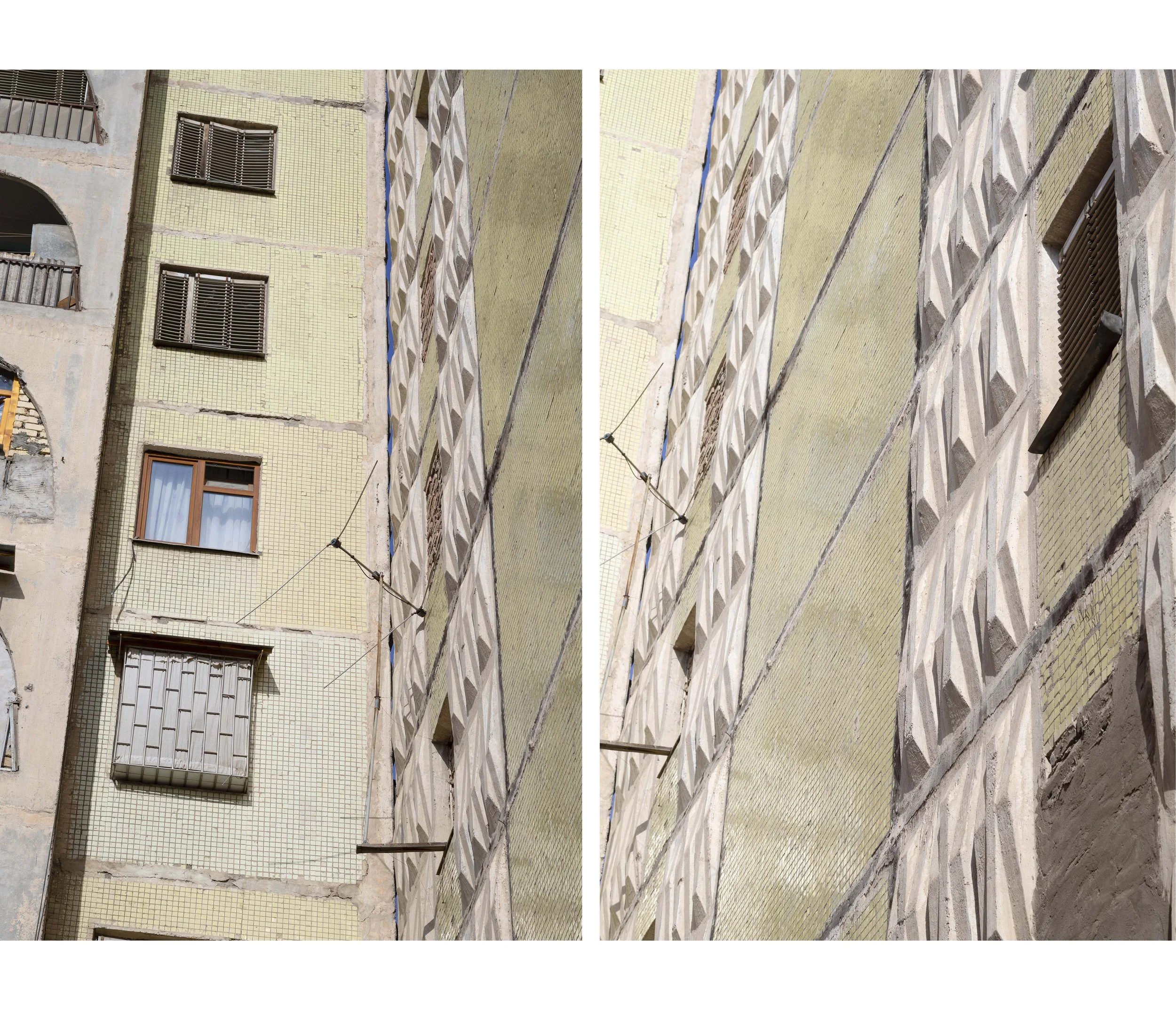
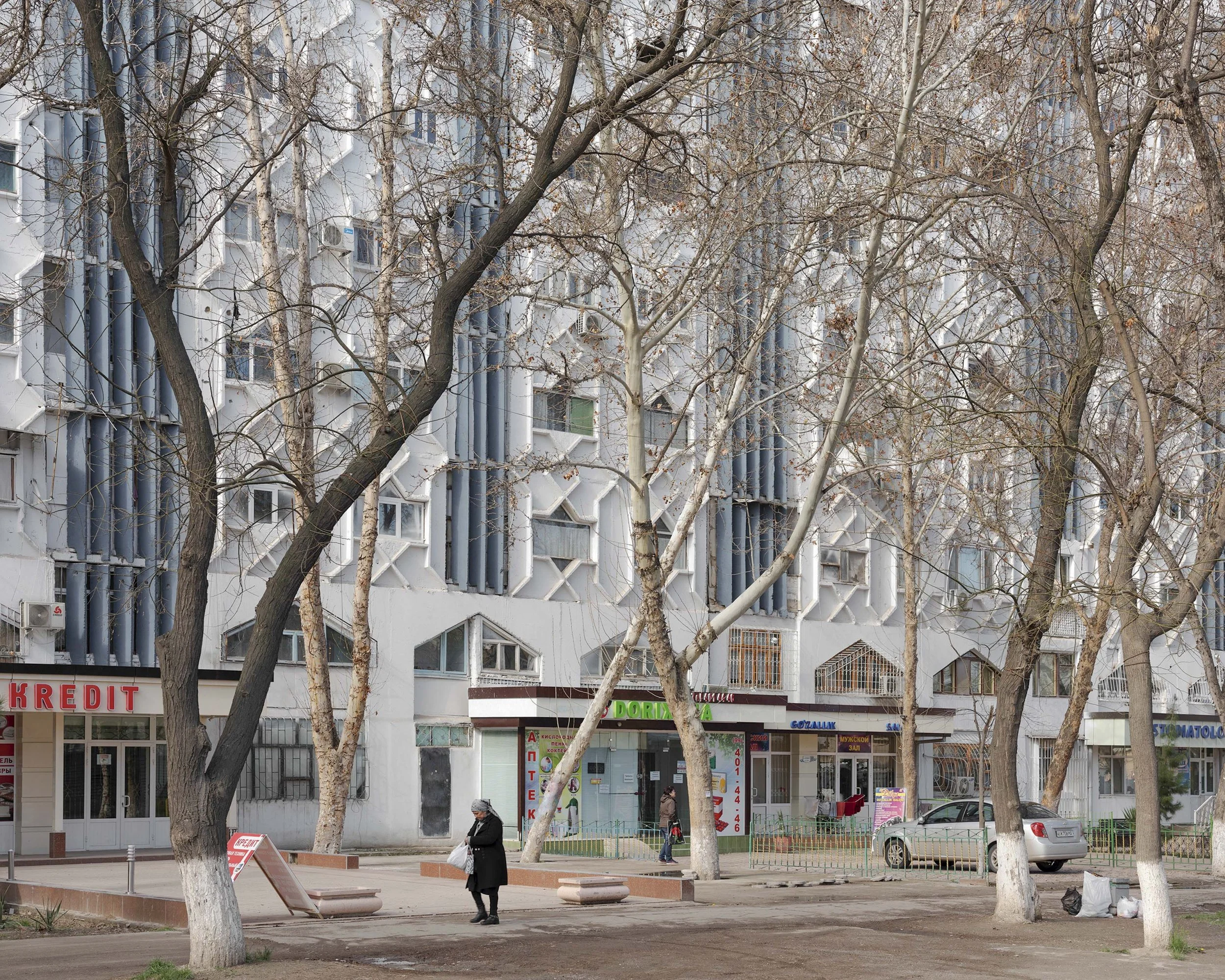
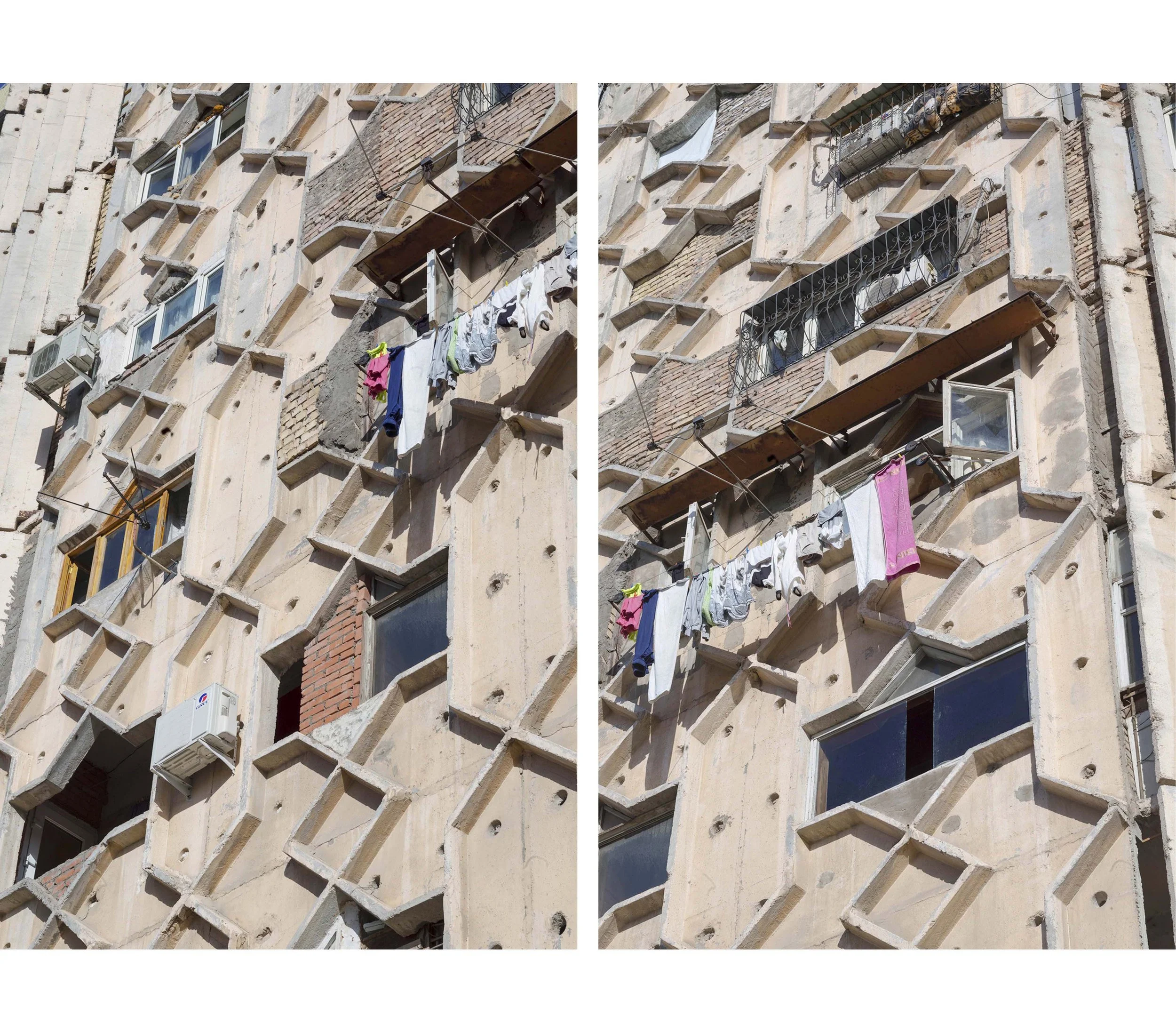
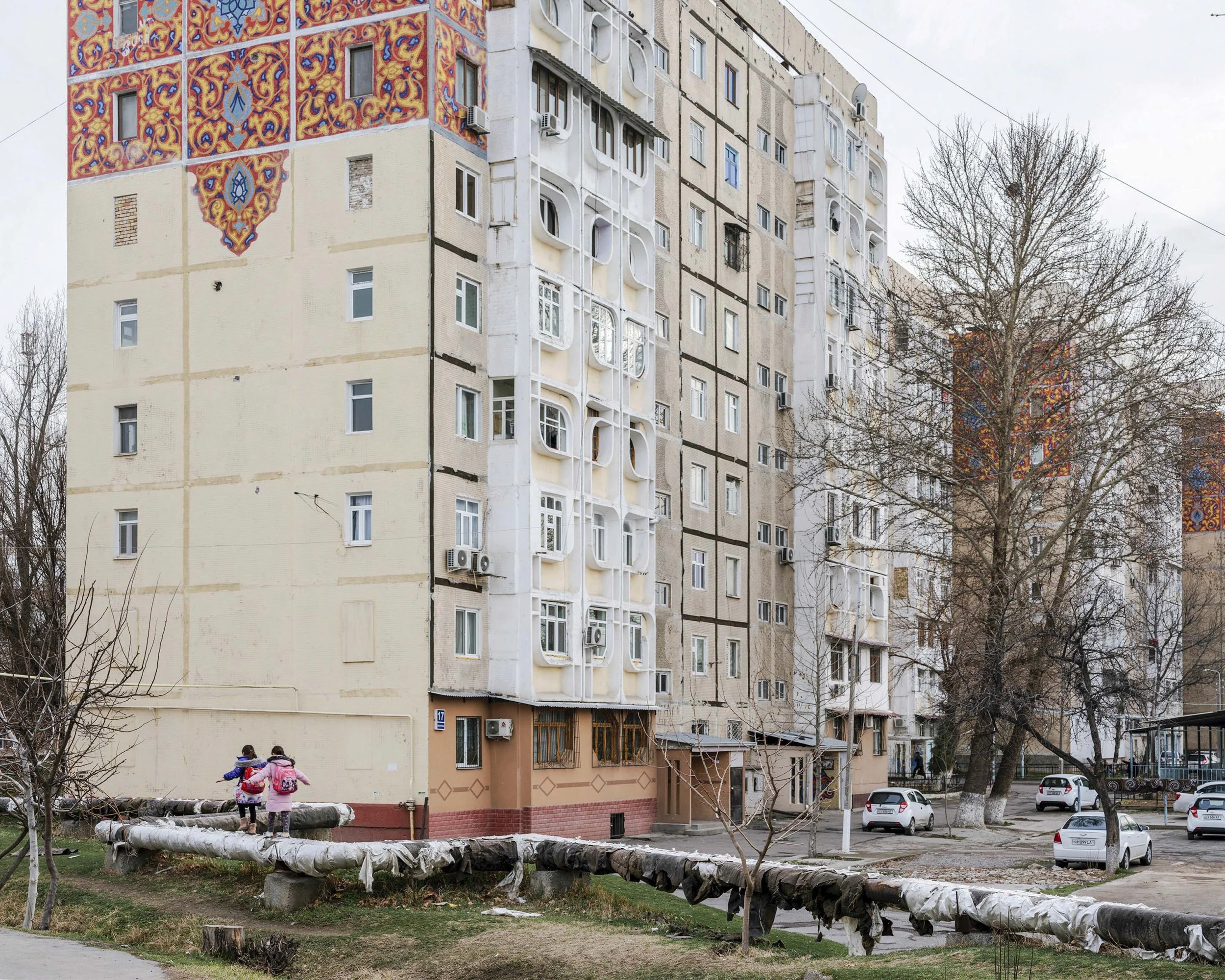
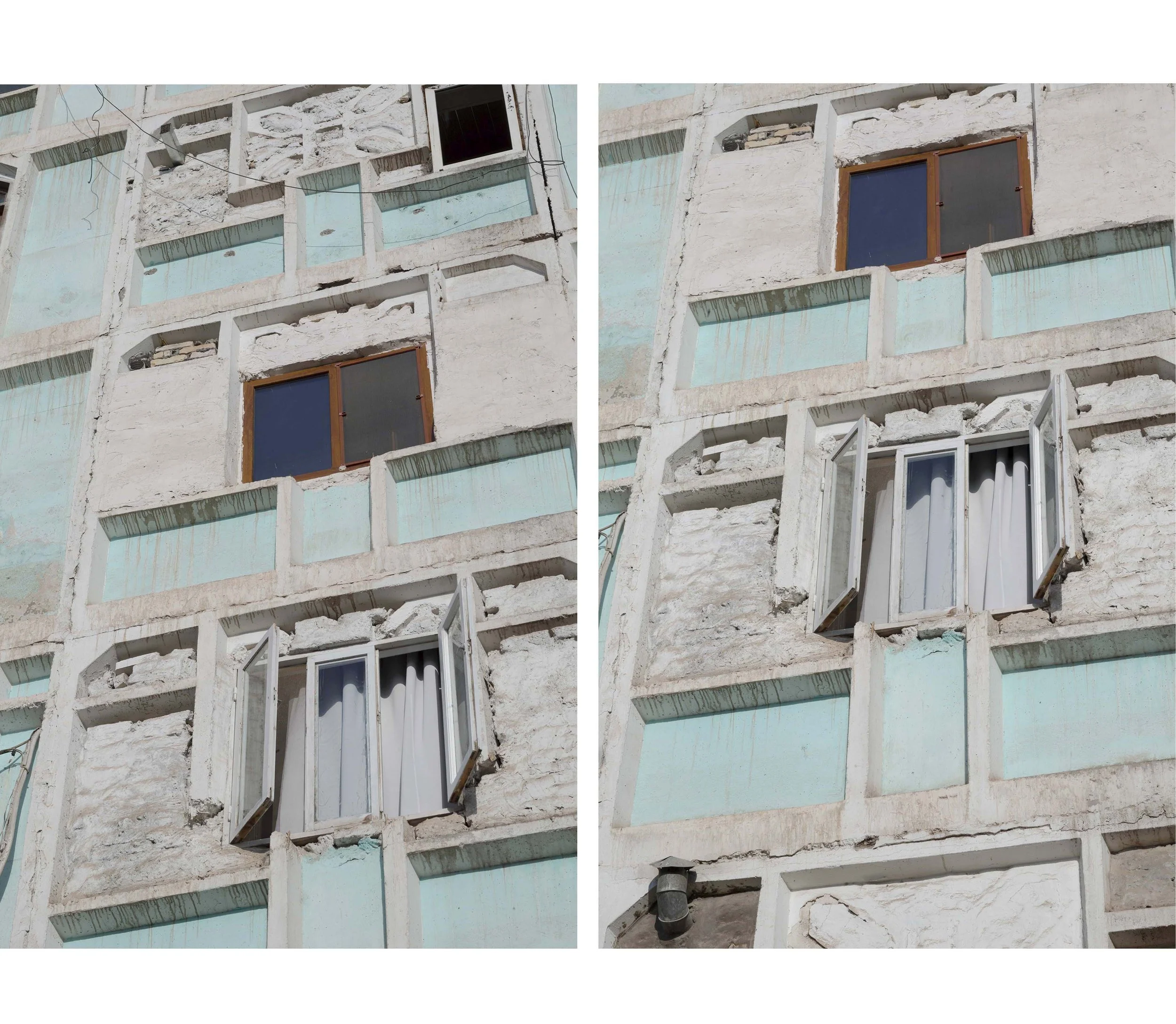
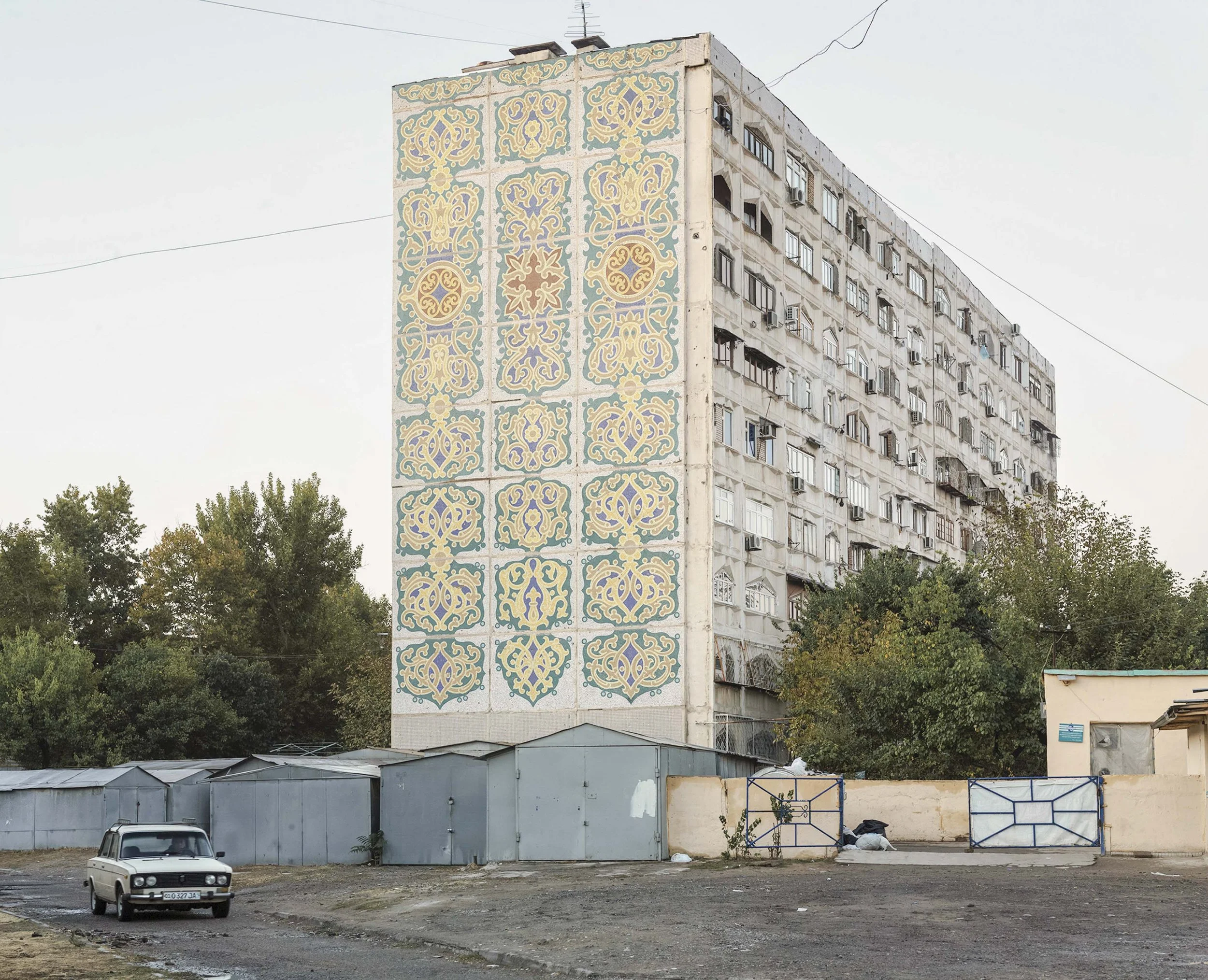
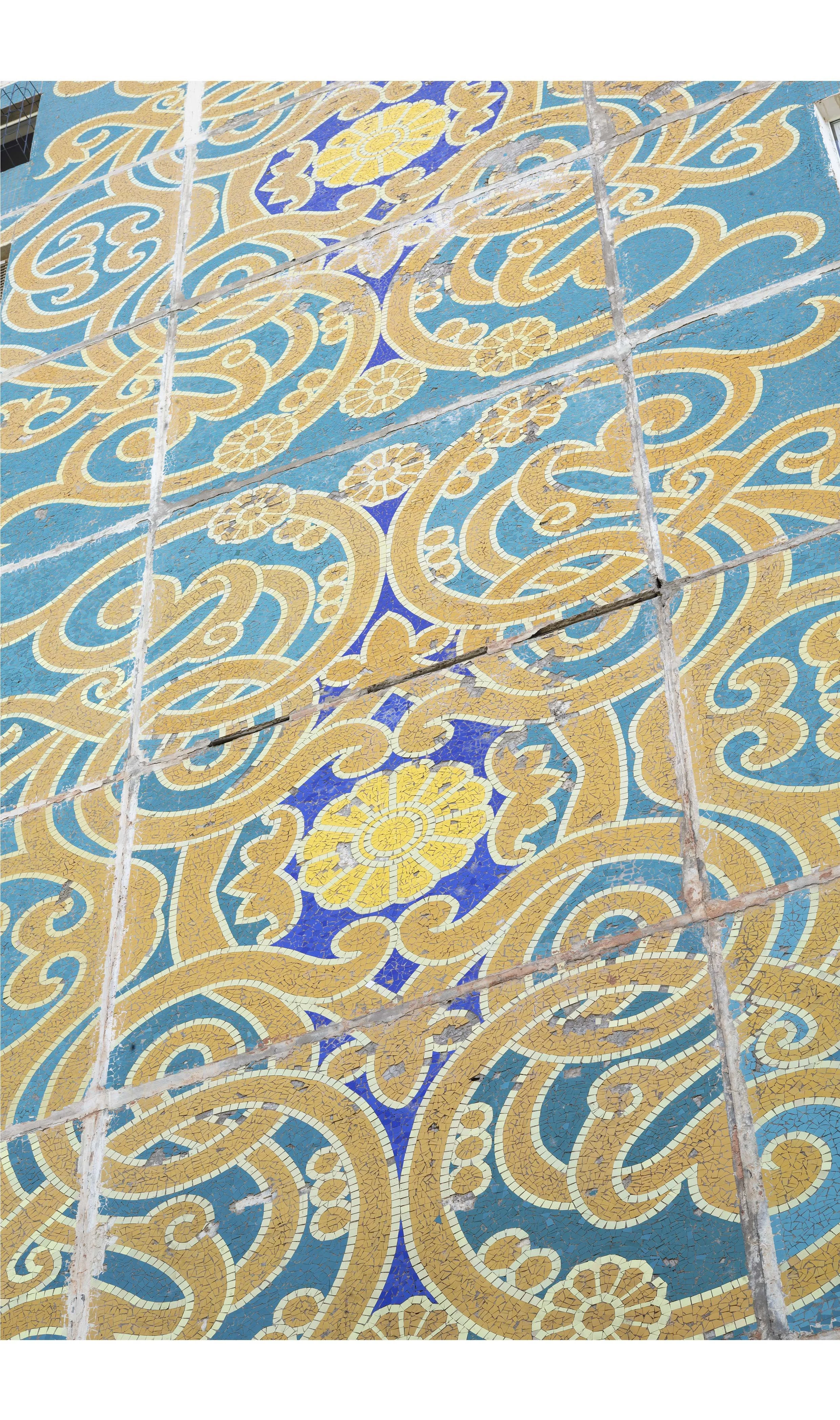
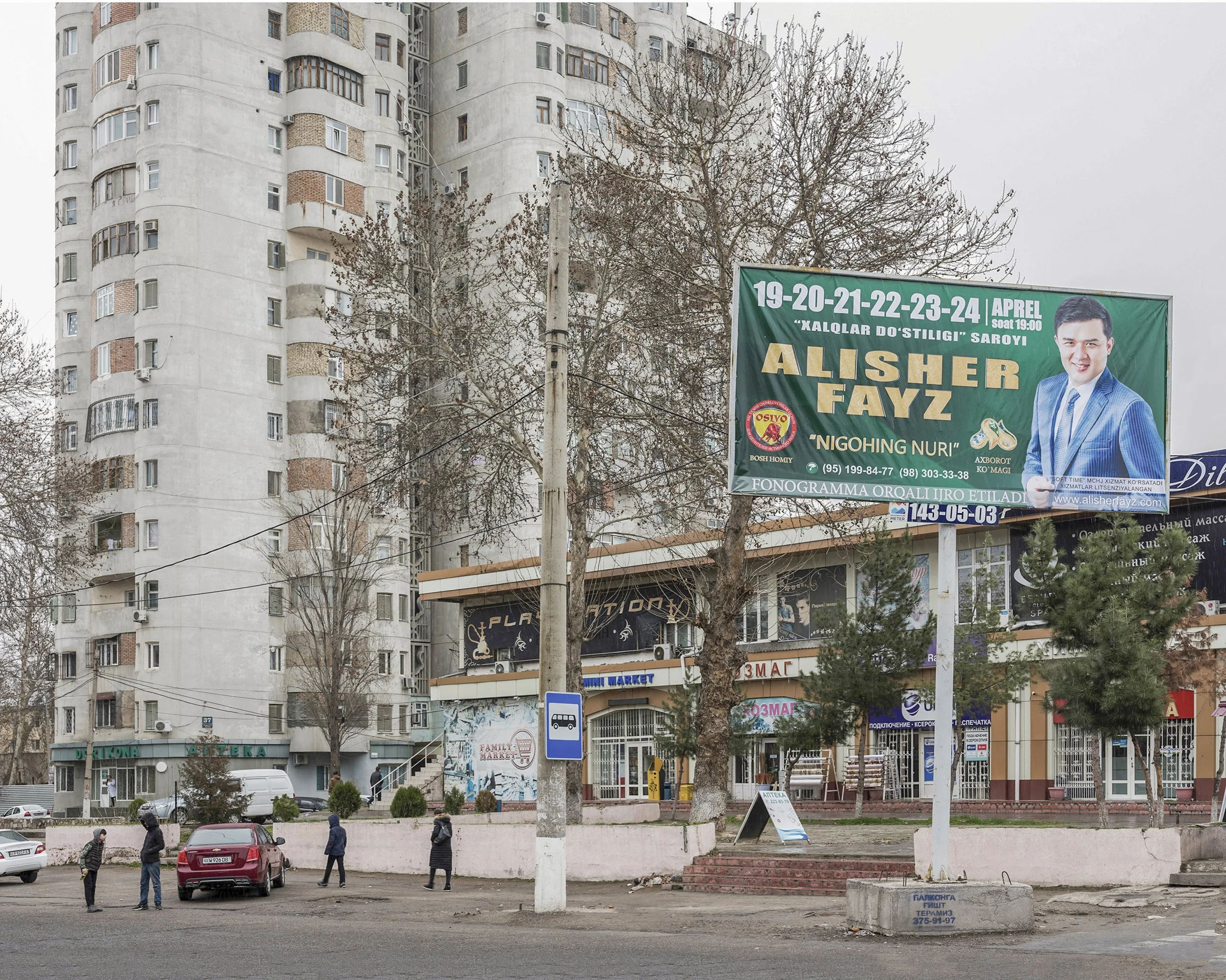
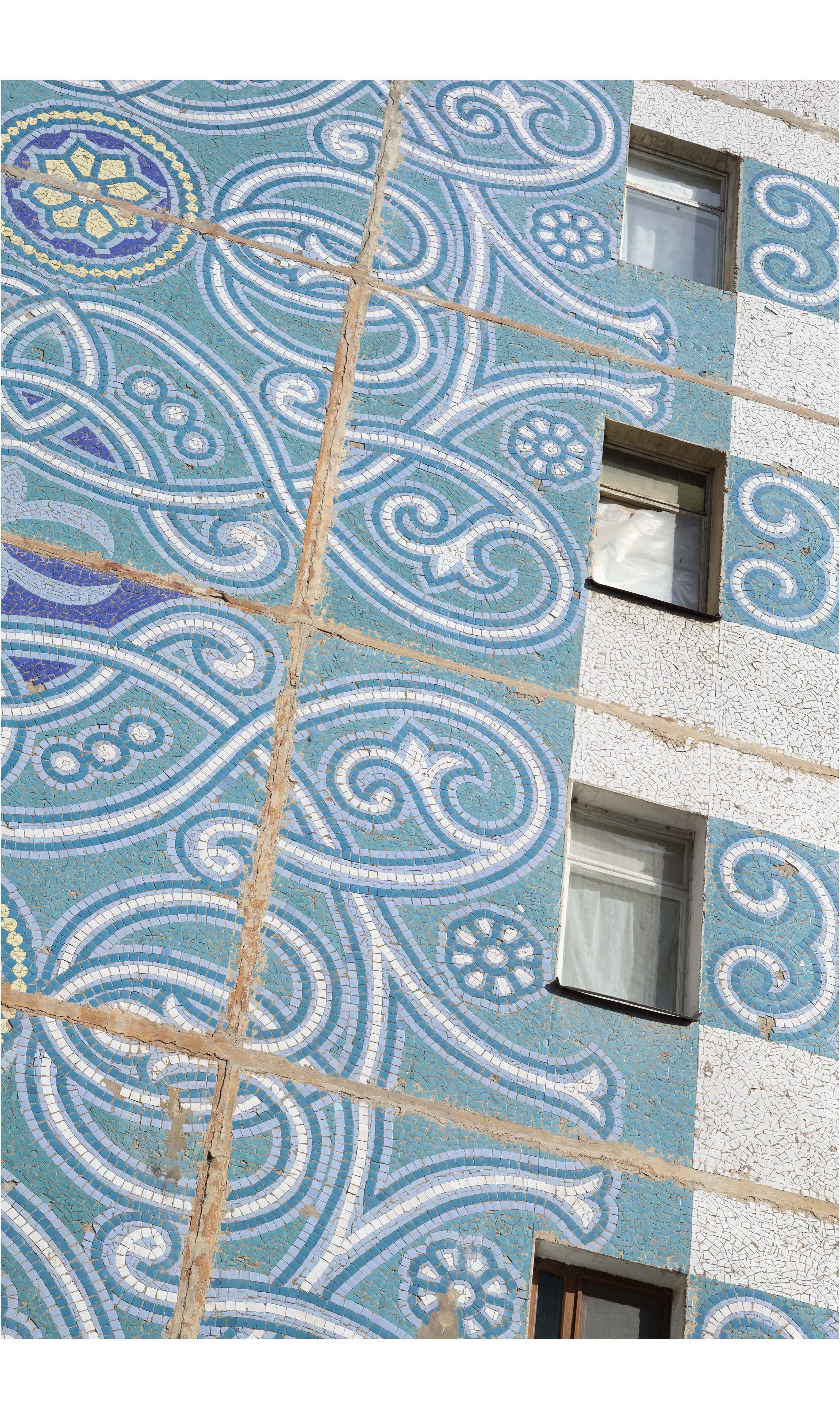
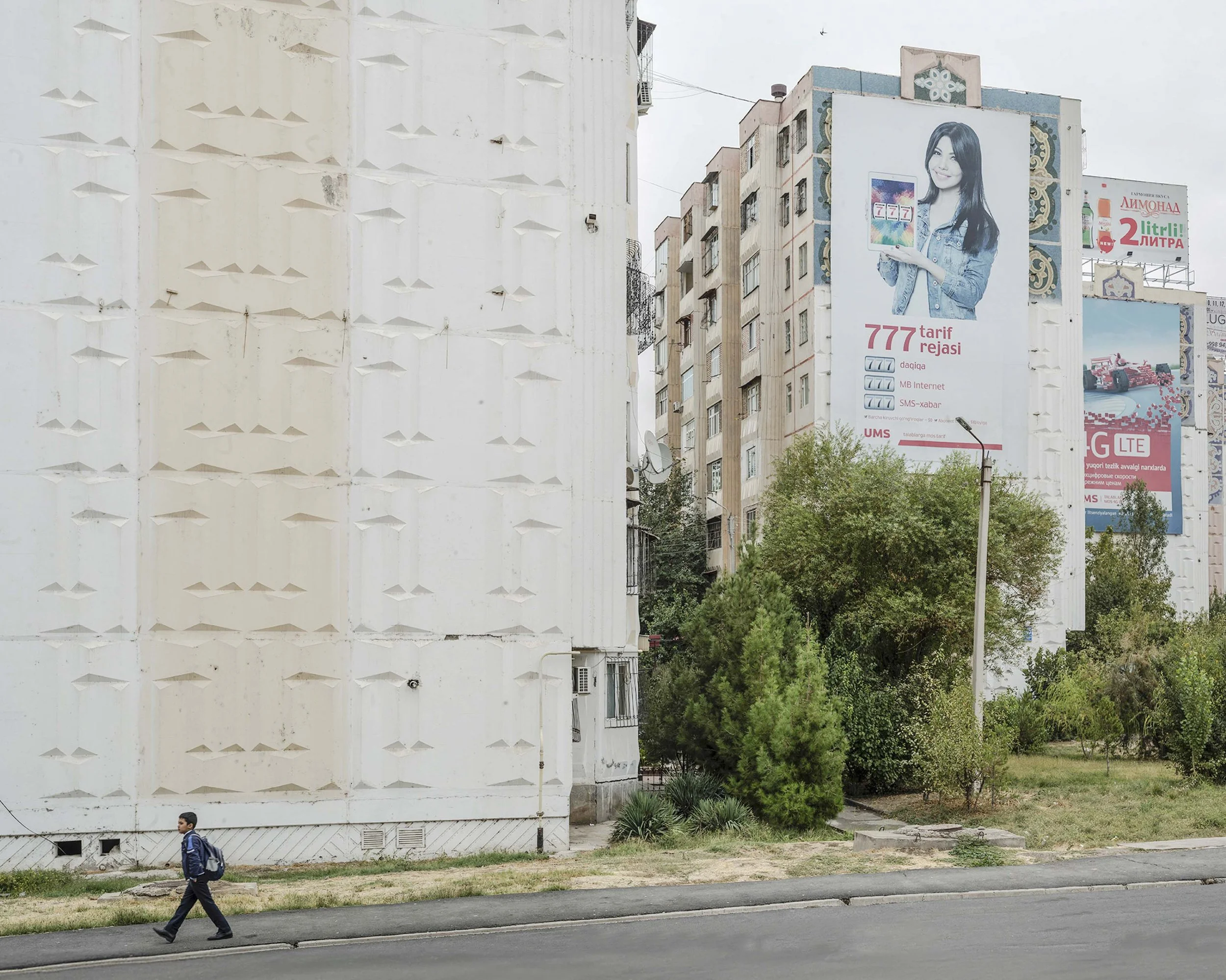
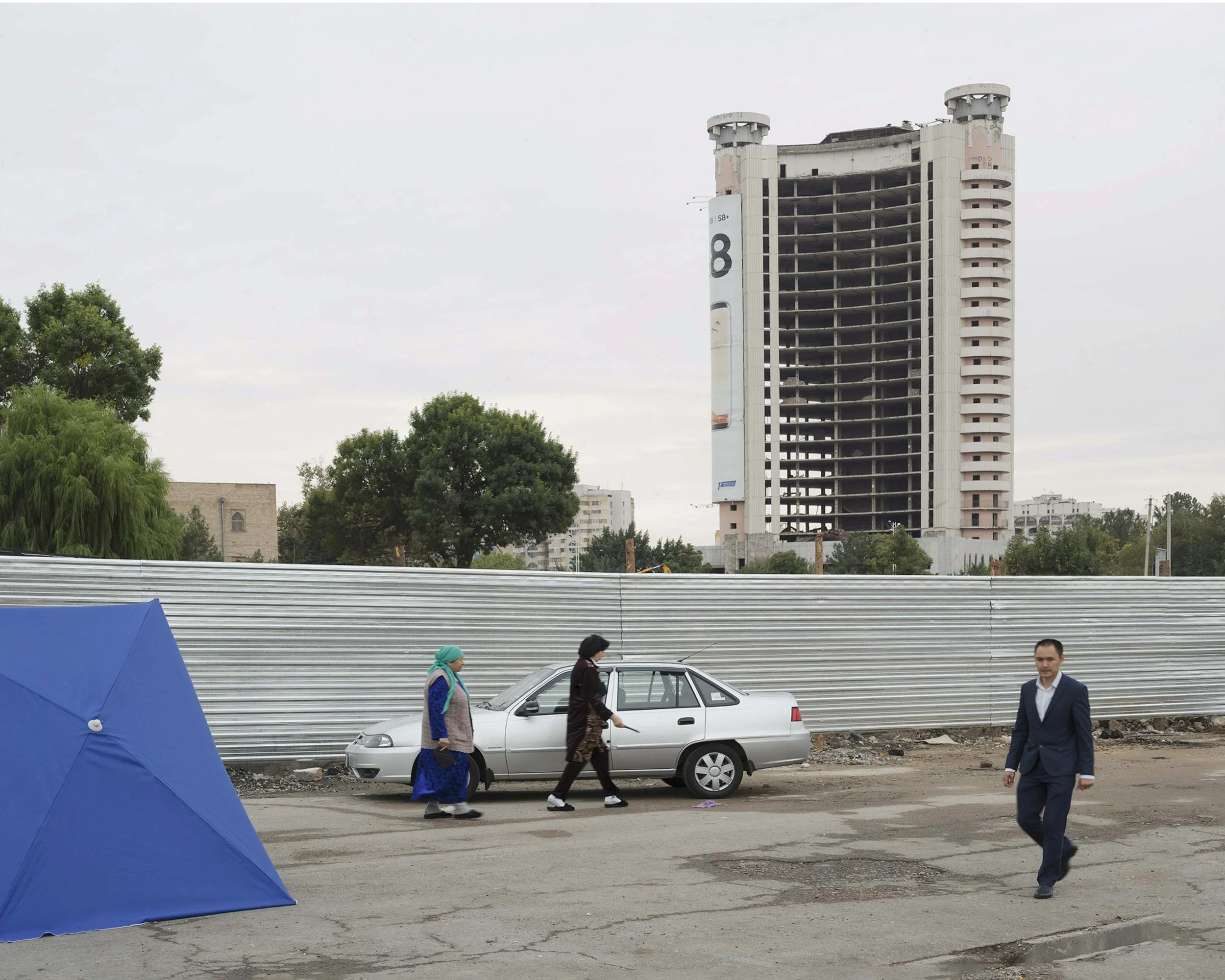
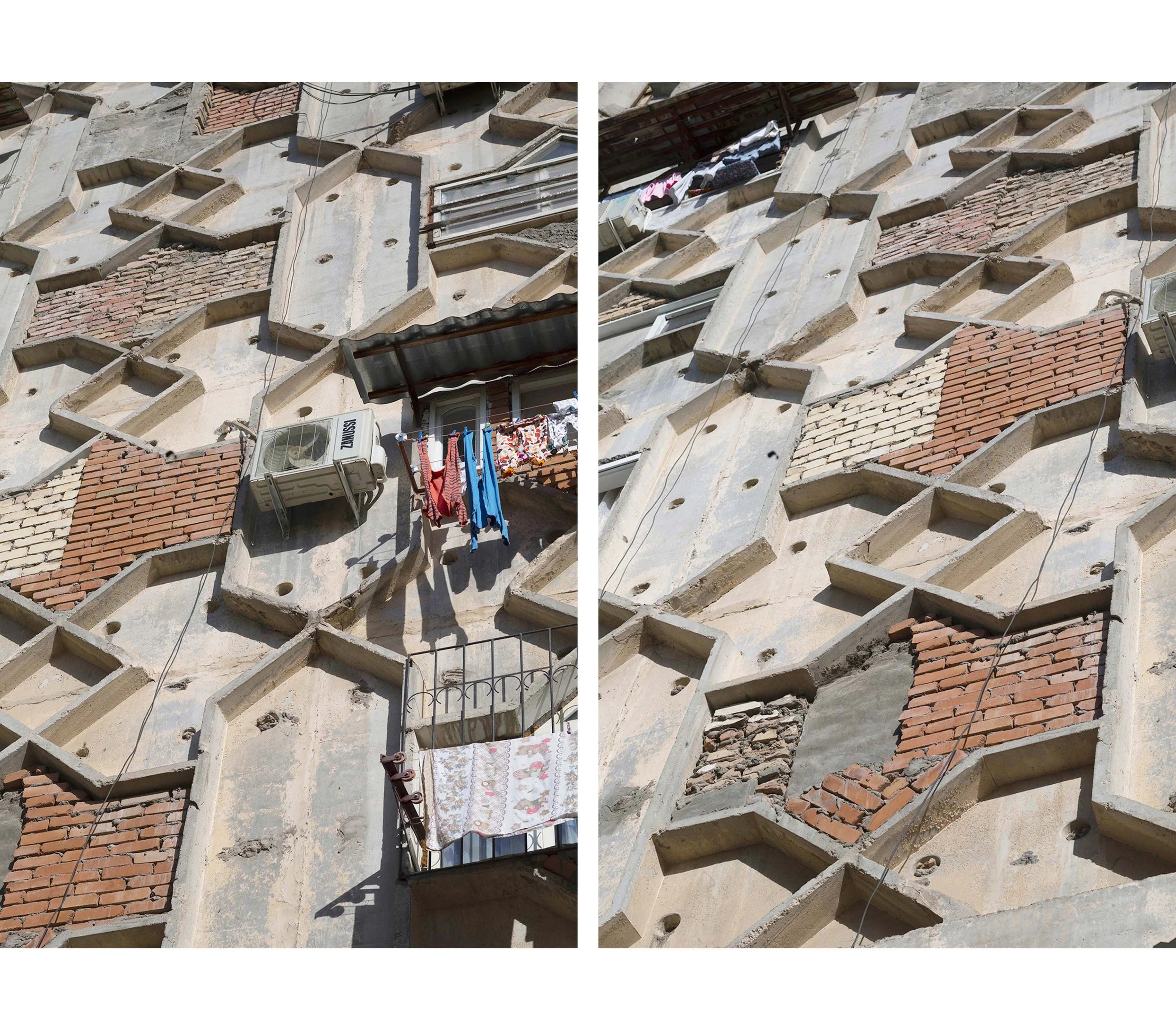
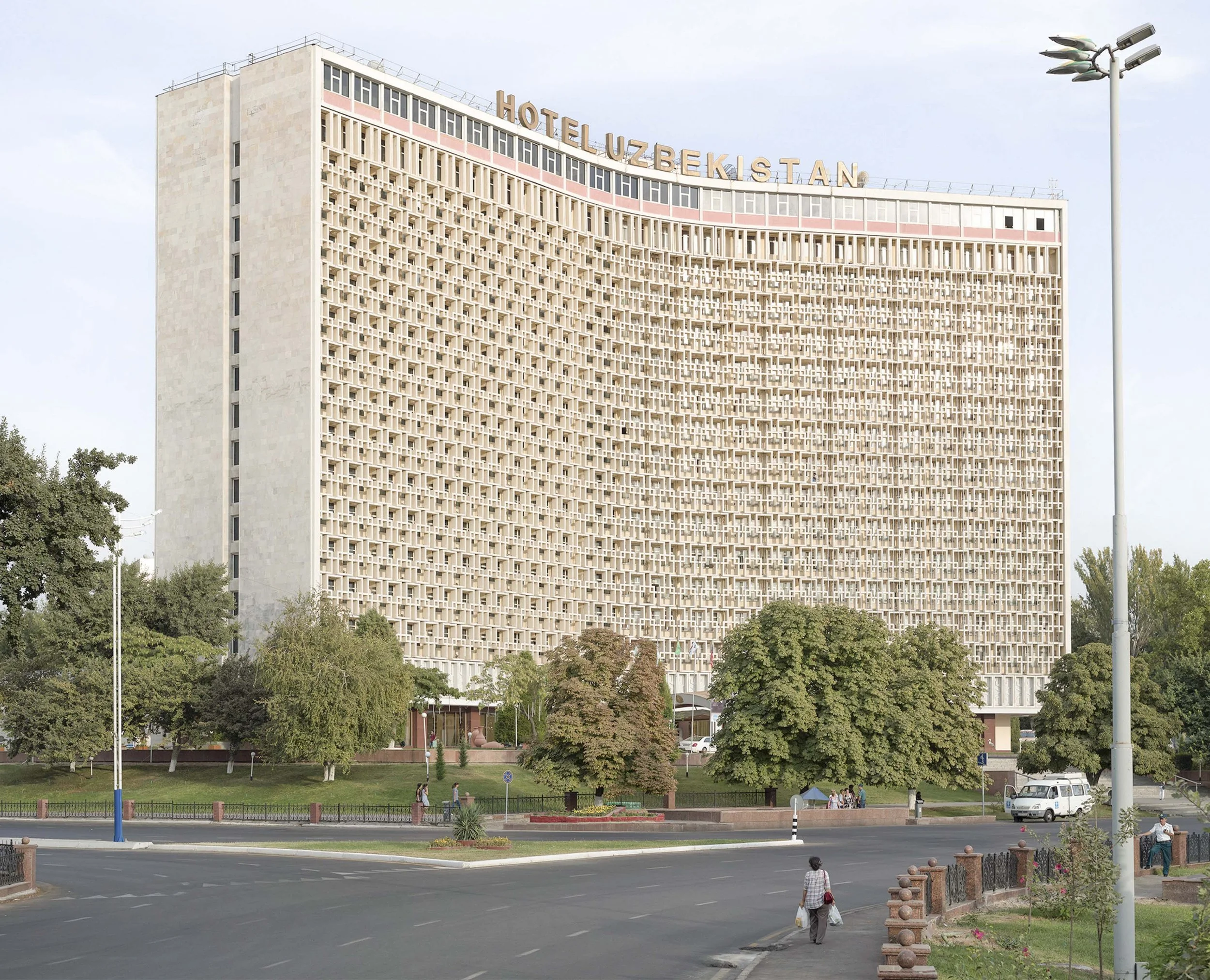
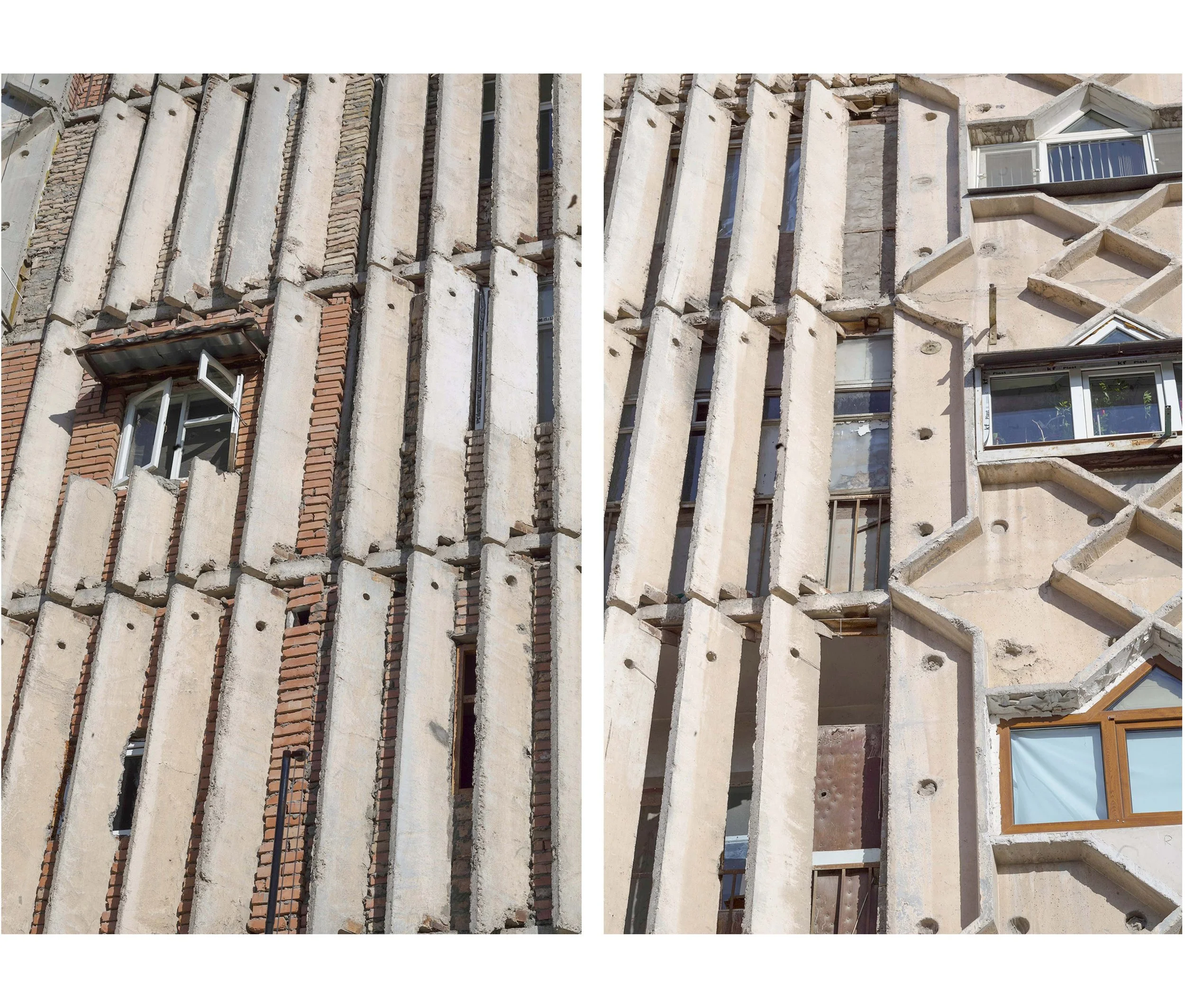
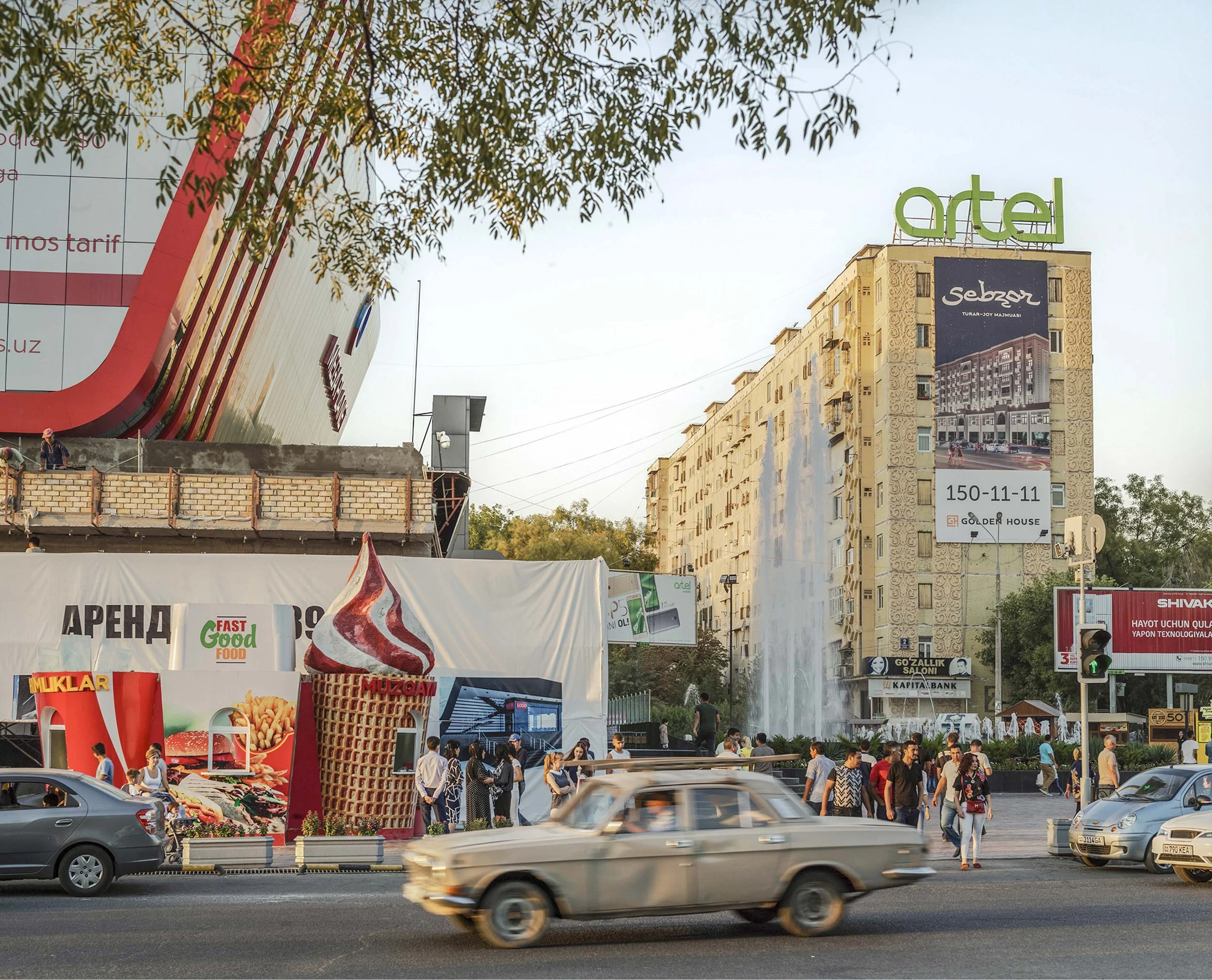
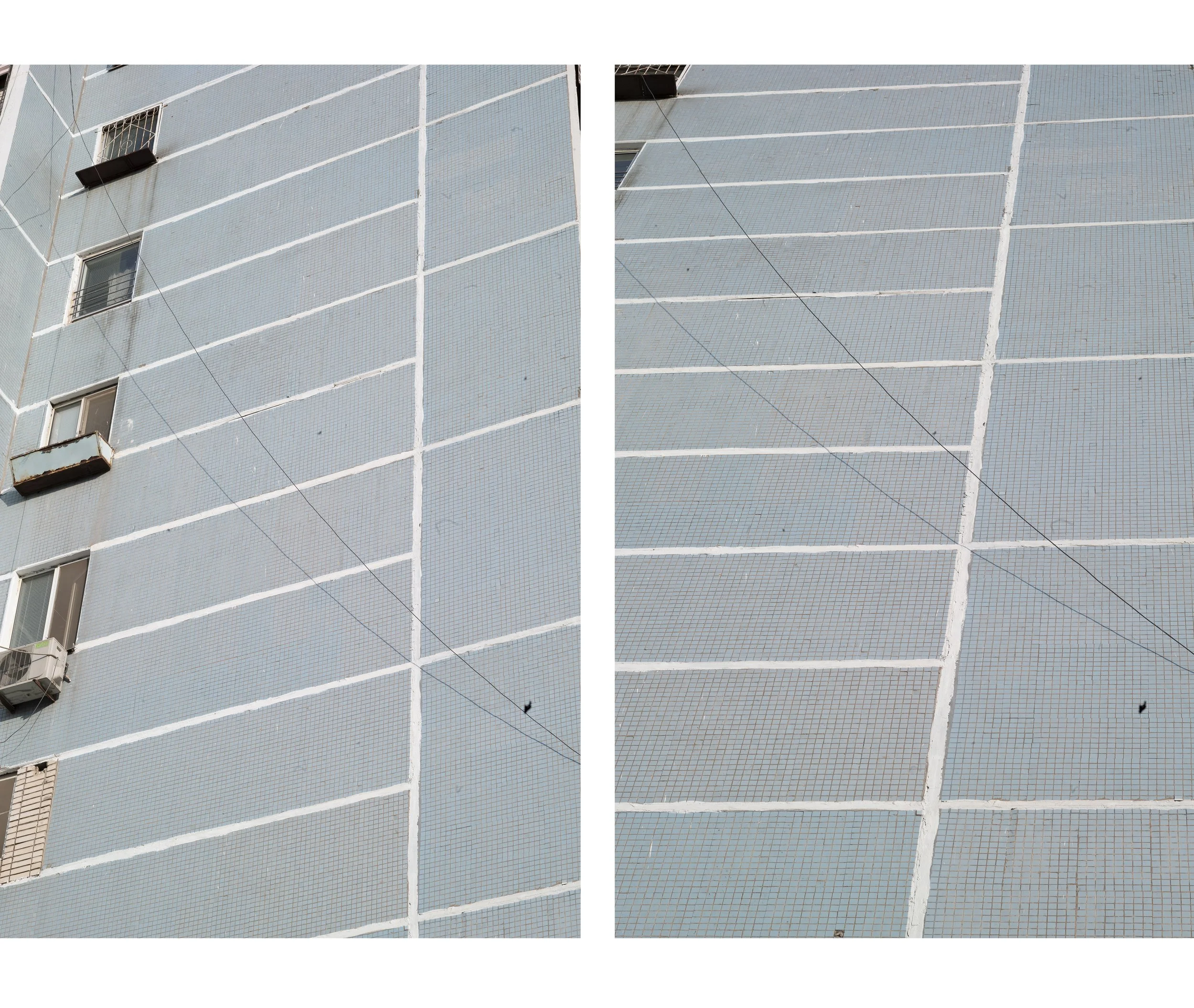
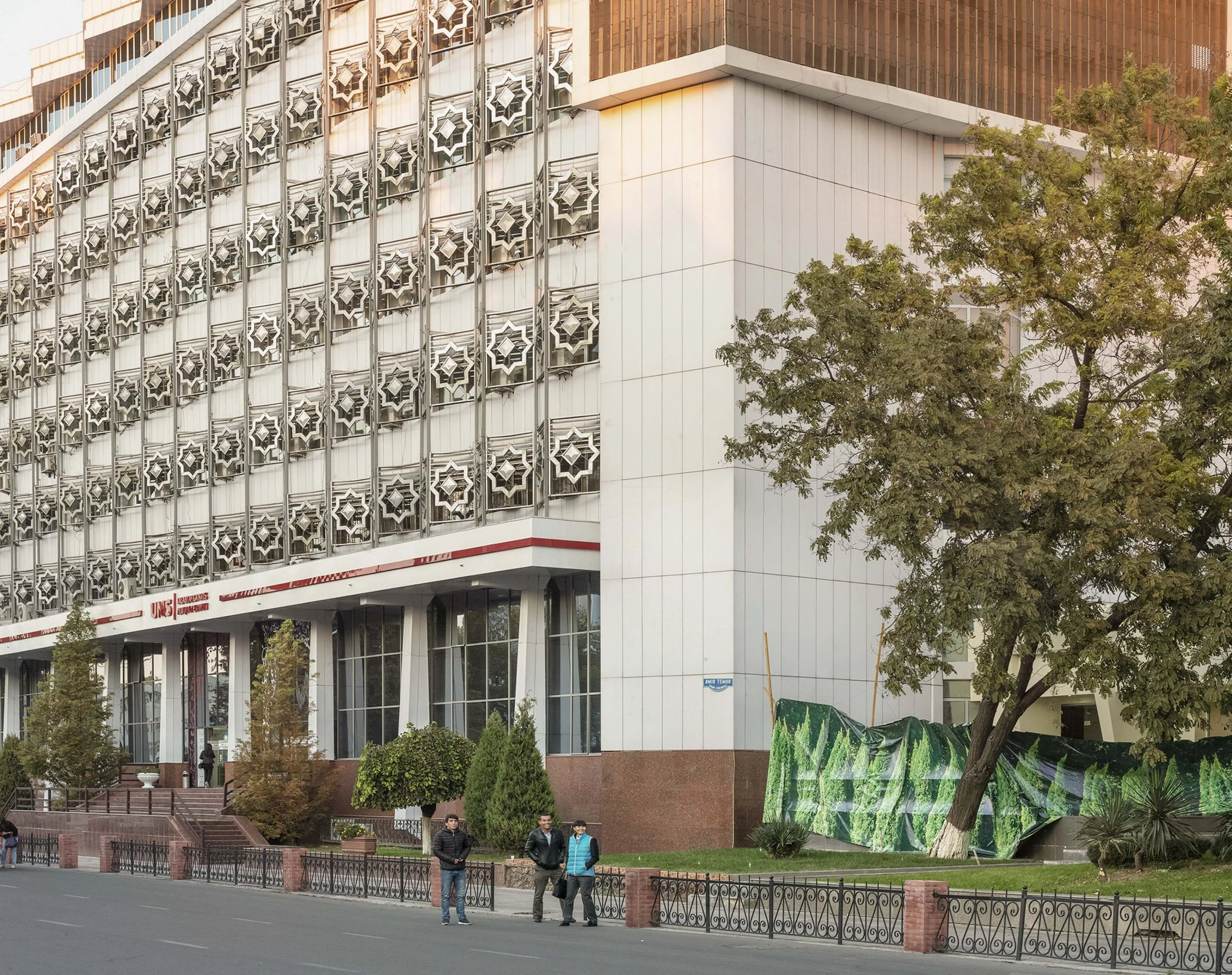
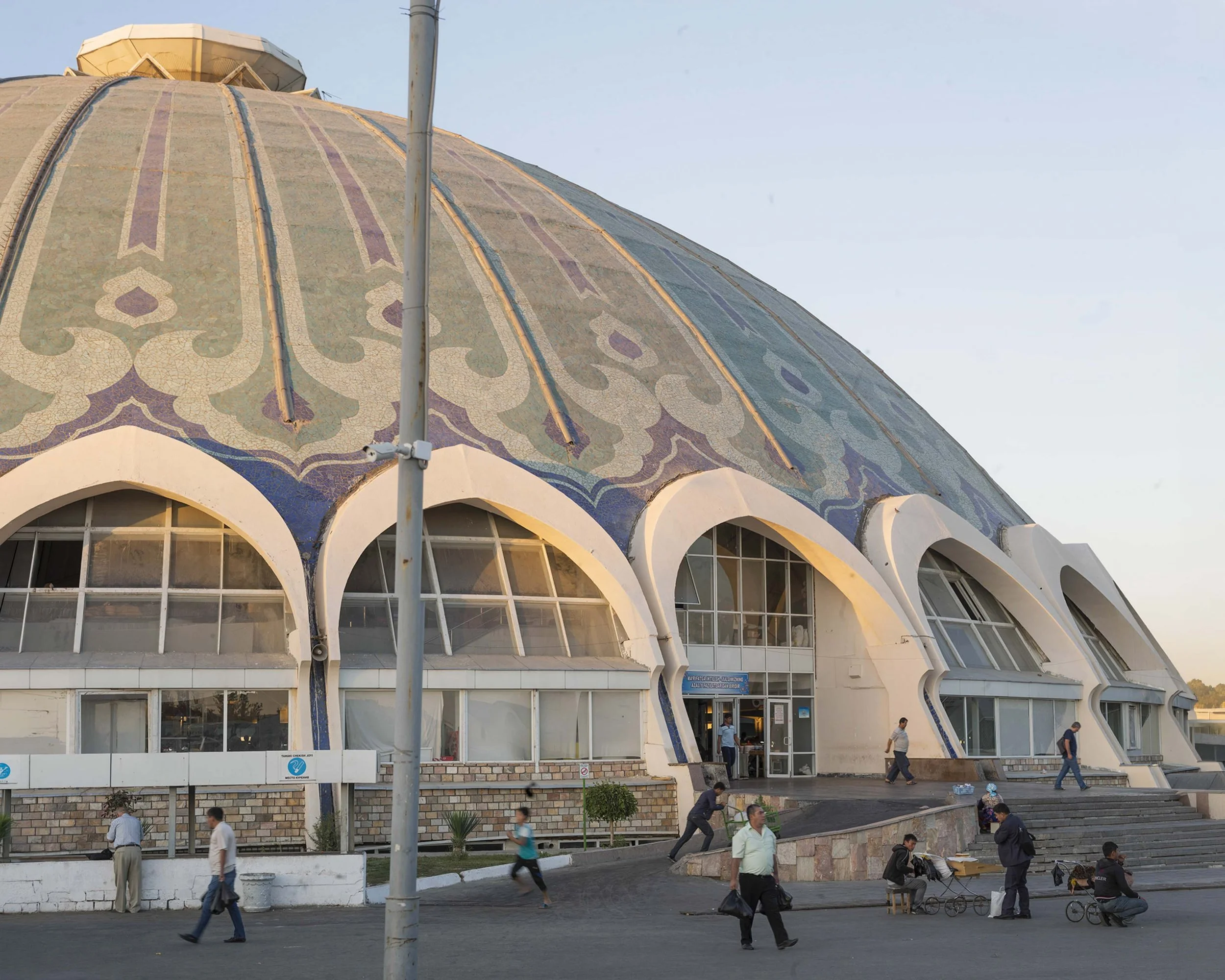
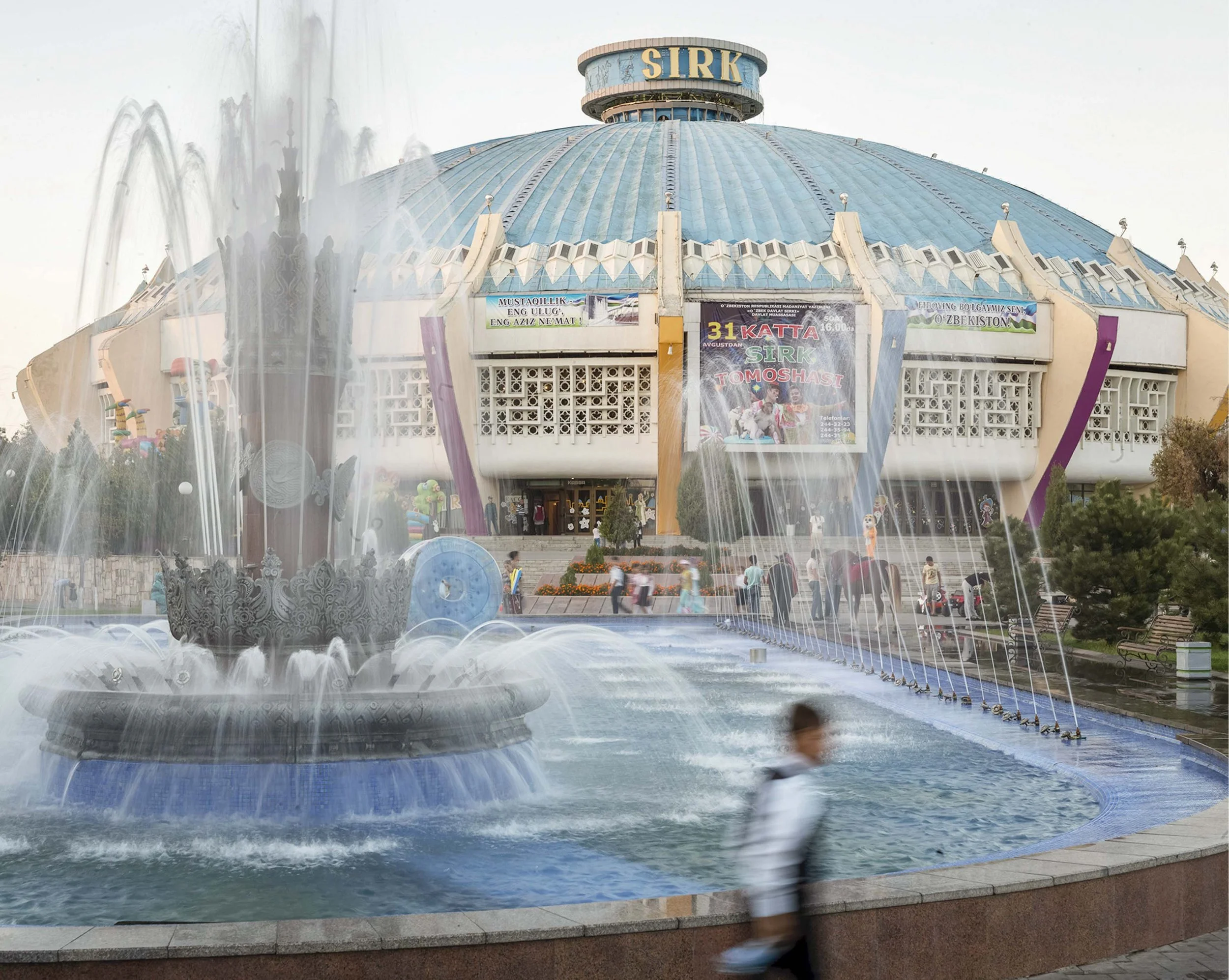
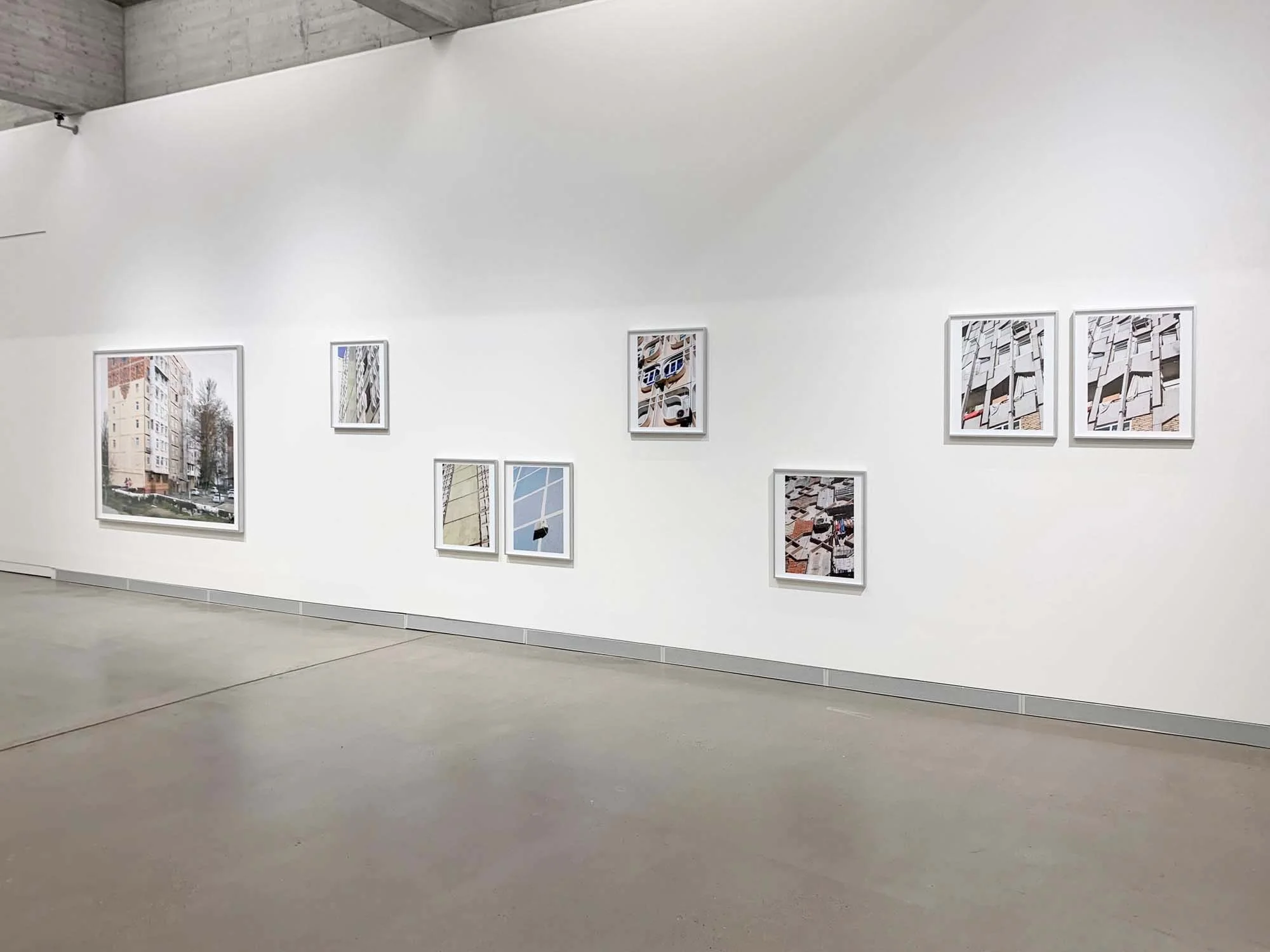
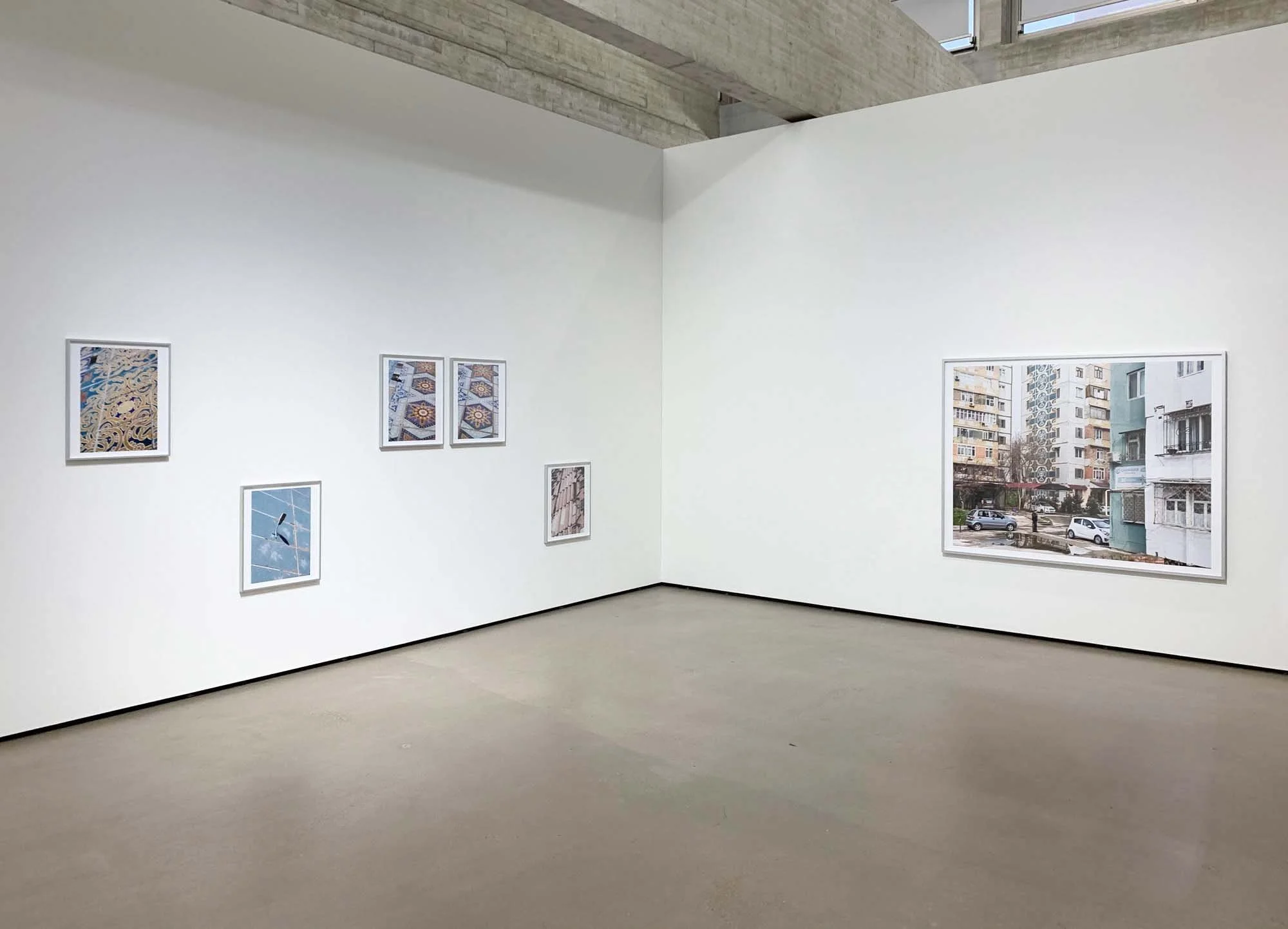
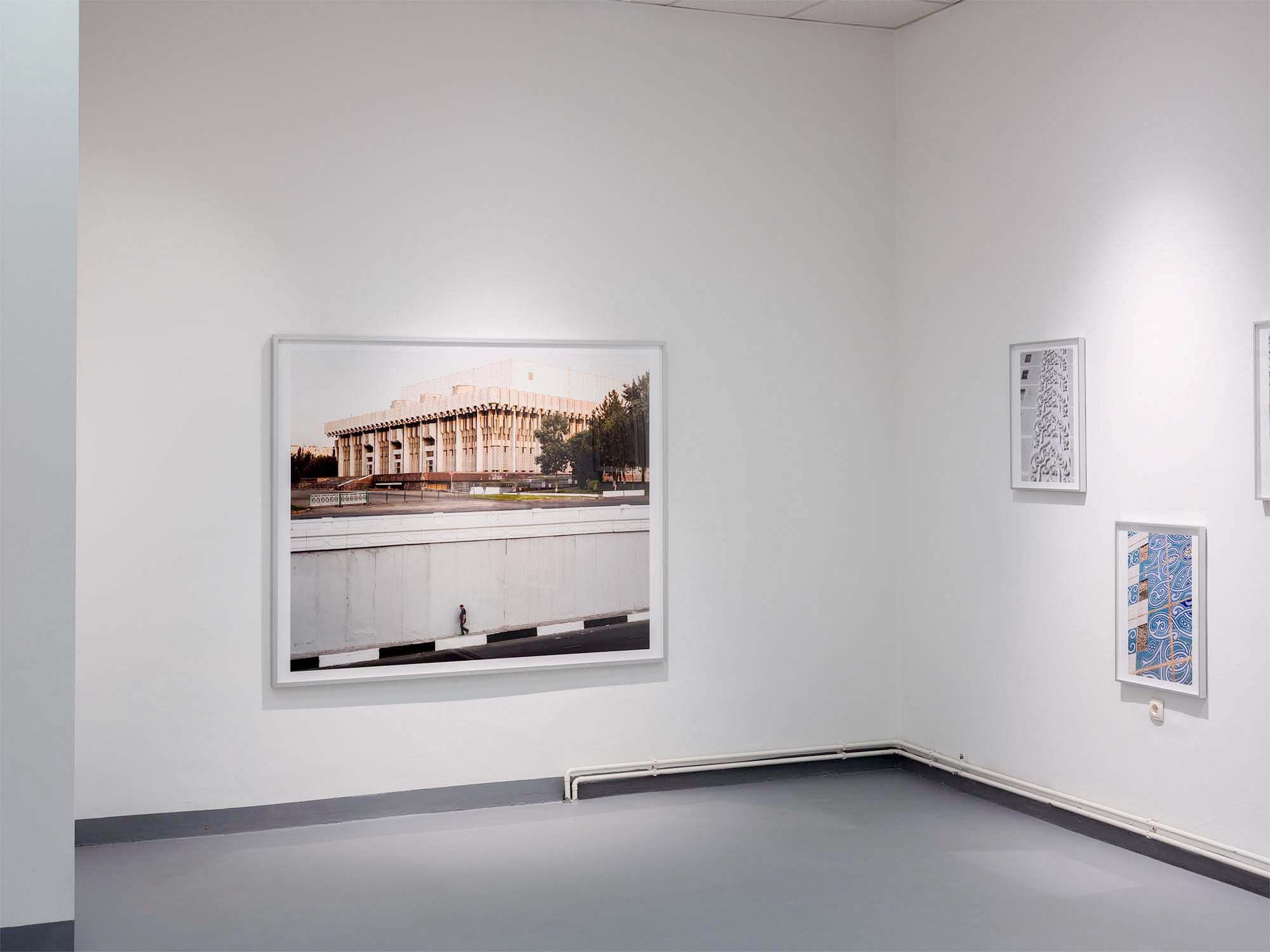
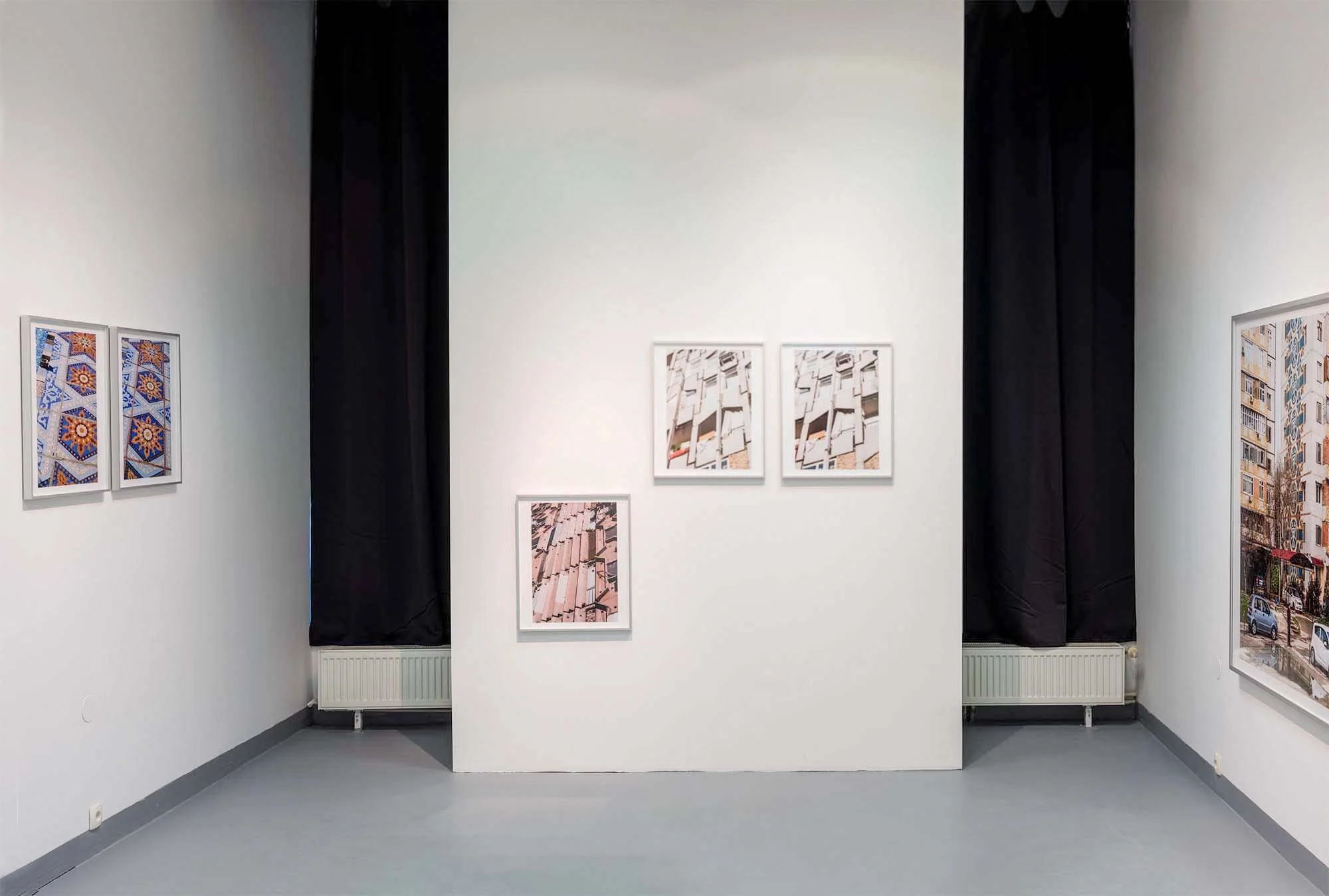
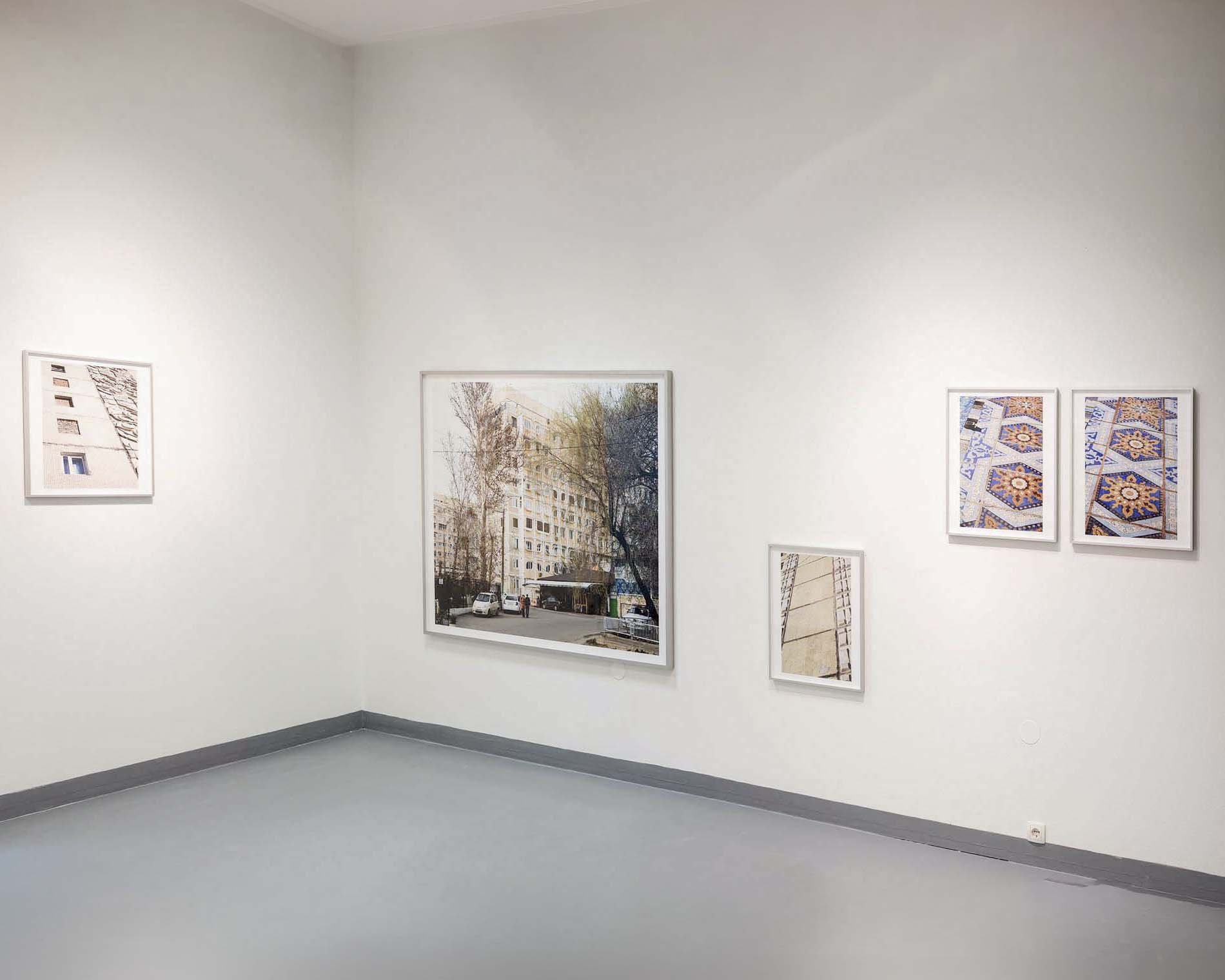
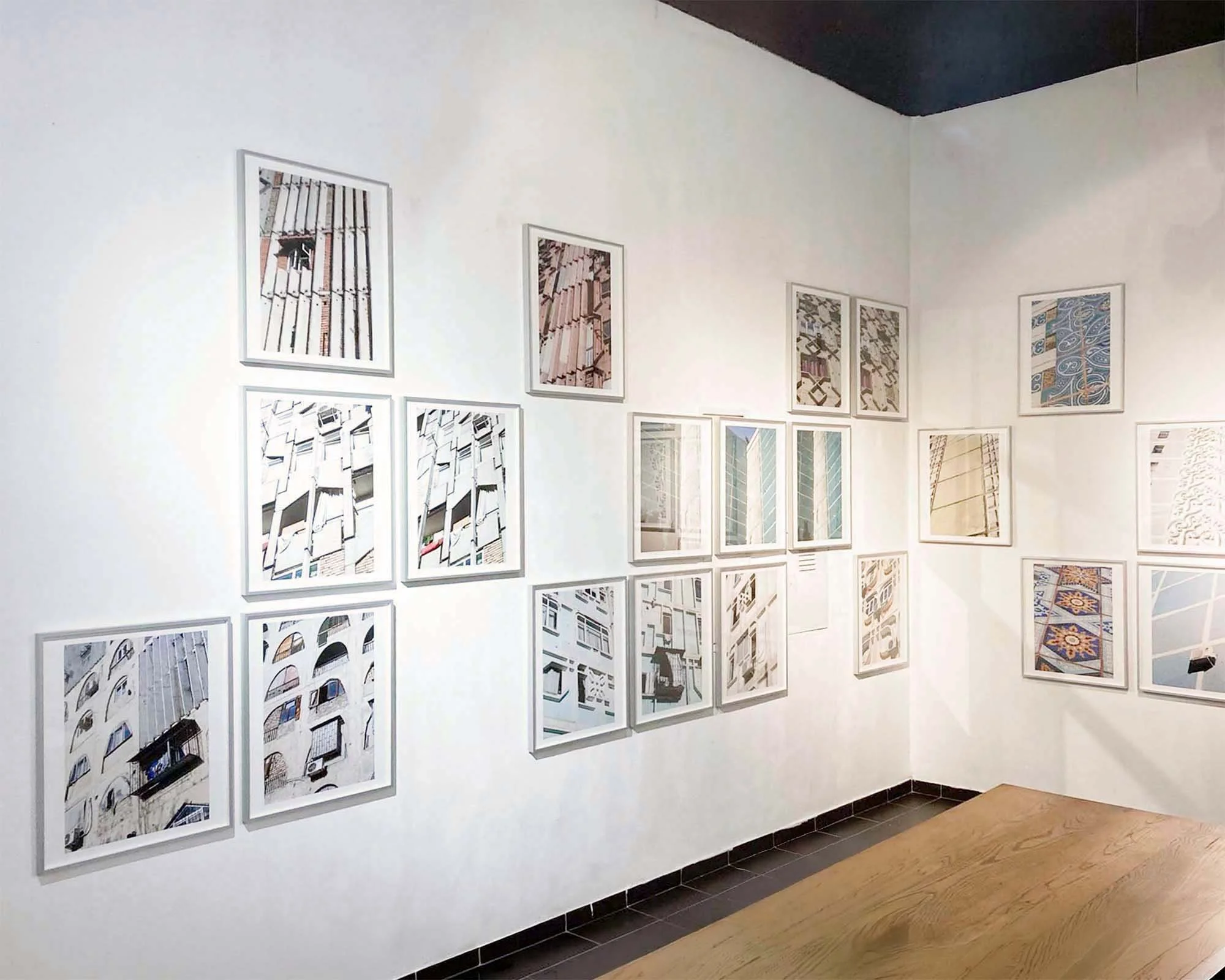
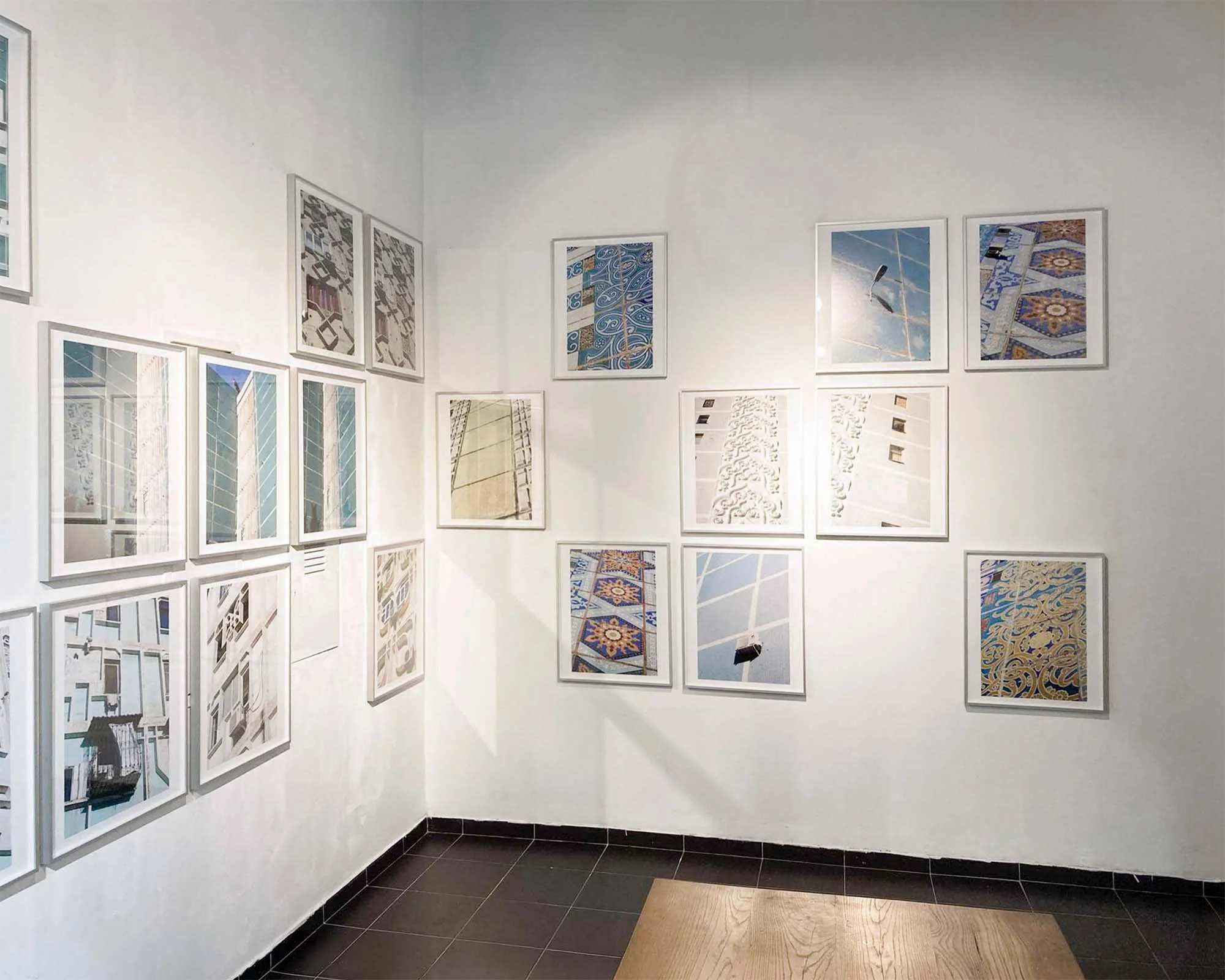
“Tashkent is the city with the most beautiful panel buildings in the world,” said writer Martin Mosebach. It was the devastating earthquake of 1966 that made the creation of this open-air museum of Soviet architecture possible. Urban planners were able to realize their vision of a new city as a symbol of Soviet modernity in Asia. Architects and building artists found creative expression in the decoration of the facades, combining construction requirements with local traditions. While numerous representative and government buildings were transformed with marble or glass facades after Uzbekistan’s independence, the large housing estates remain preserved in their original condition.
„Taschkent ist die Stadt mit den schönsten Plattenbauten der Welt“, sagte der Schriftsteller Martin Mosebach. Das verheerende Erdbeben von 1966 ermöglichte erst die Entstehung dieses Freilichtmuseums sowjetischer Baukunst. Stadtplaner konnten ihre Vision einer neuen Stadt als Symbol sowjetischer Modernität in Asien umsetzen. Architekten und Baukünstler verwirklichten sich in der Ausschmückung der Fassaden. Dabei verbanden sie bautechnische Anforderungen mit lokalen Traditionen. Während nach der Unabhängigkeit Usbekistans zahlreiche Repräsentations- und Regierungsbauten mit Marmor- oder Glasfassaden überformt wurden, sind die Großbausiedlungen noch im Originalzustand erhalten.
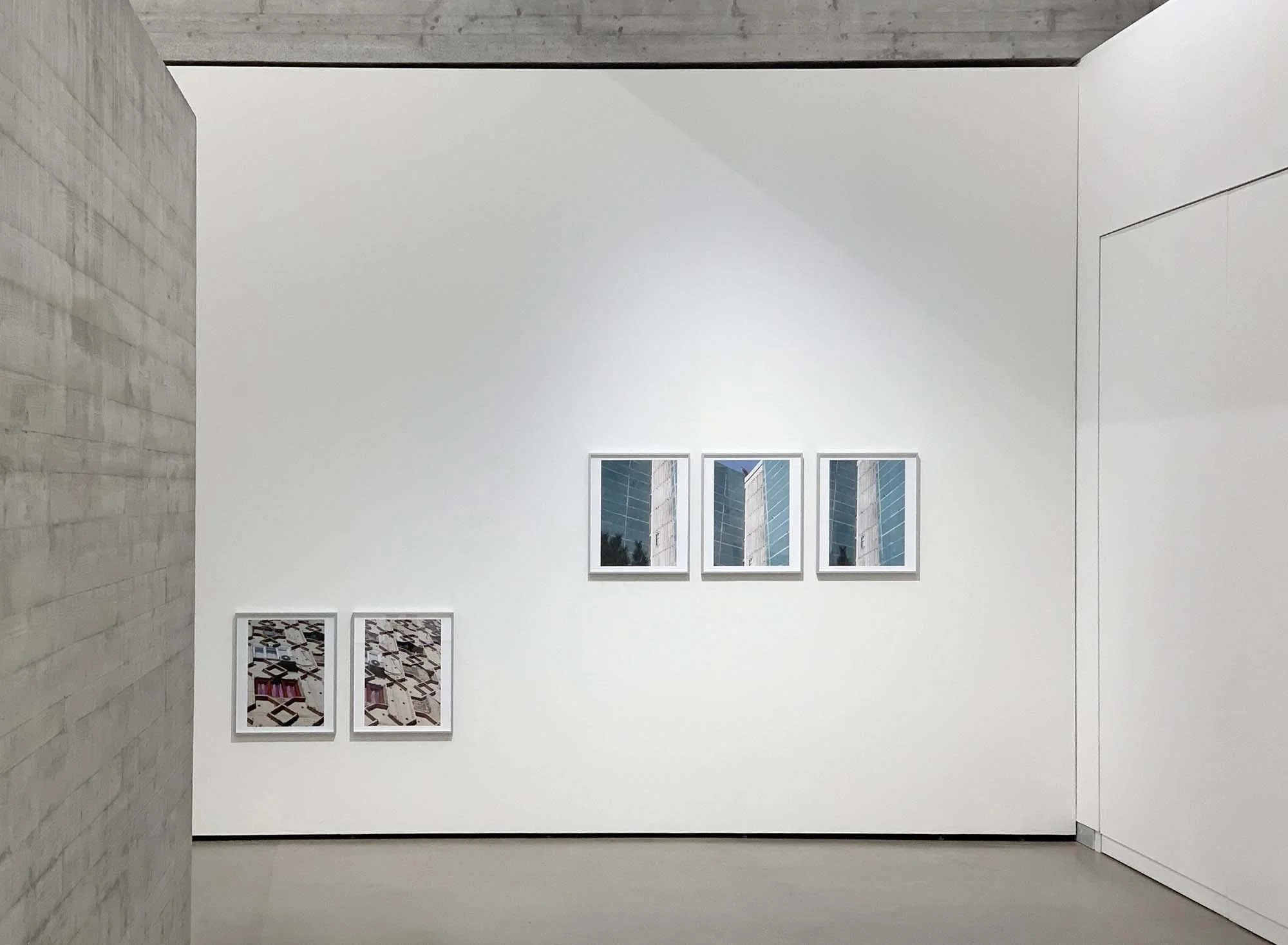
Photon Gallery, Vienna and Ljubljana / 2021
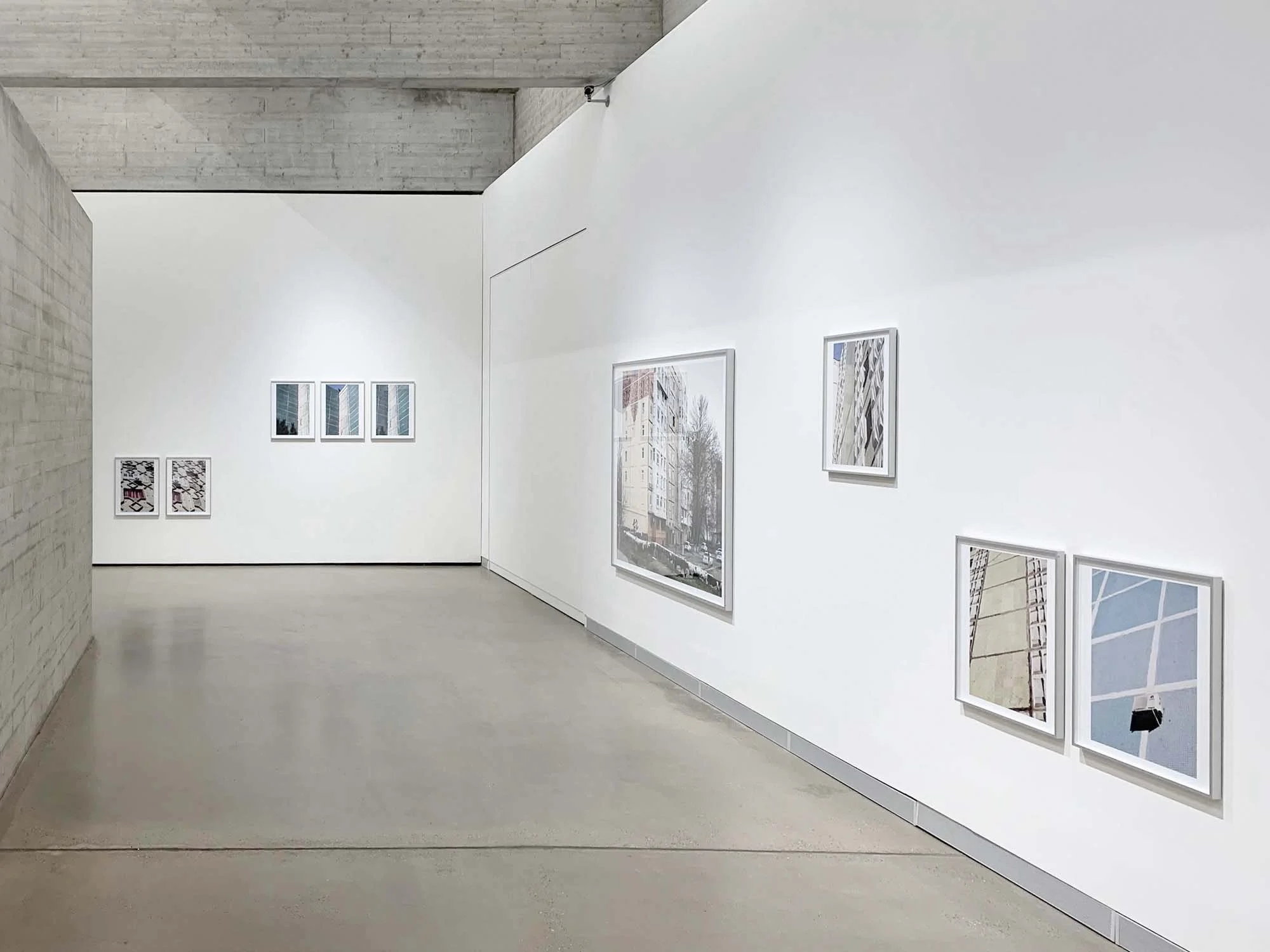
Port 25 -Raum für Gegenwartskunst / Space for Contemporary Art, Mannheim / 2020